 Lynden Siding
 Siding Replacement Built for the Wiser Lake Area
Wiser Lake sits in a part of Whatcom County where the weather doesn't do a home any favors. Homes here take on a steady diet of driving rain off the water, damp marine air, and a moss season that can run from October clear through April. Siding that isn't built for that combination — or isn't installed correctly for it — shows the wear within a few years: soft spots at the bottom courses, streaking, swollen seams, and paint that won't hold. This page is about one job, done right, in one area: full siding replacement for houses in and around Wiser Lake, using James Hardie fiber cement and a crew that already works this part of the county.
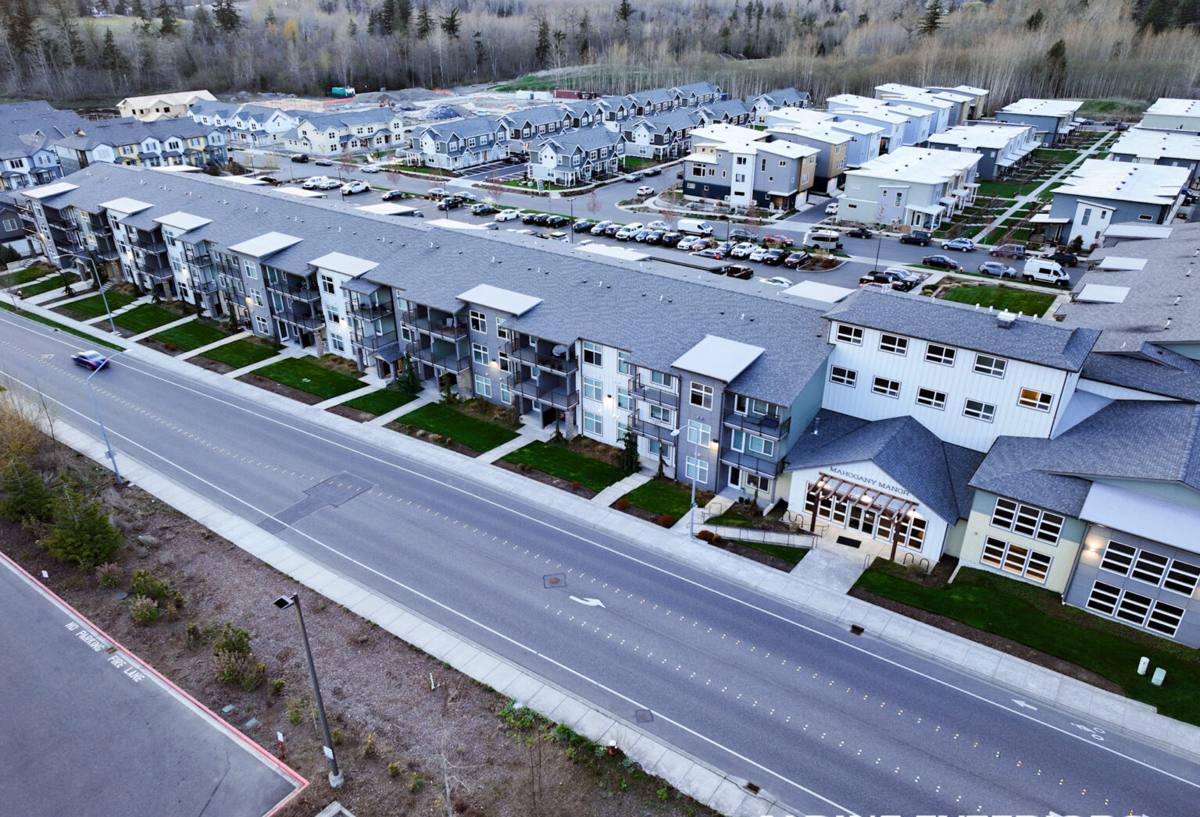
Why Wiser Lake Homes Are Hard on Siding
Being near open water changes what siding has to deal with day to day. It's not just rain volume — it's how long a wall stays wet, how much airborne moisture and salt-tinged air the siding sits in, and how little direct sun some elevations get through the winter. A few specifics that matter for this neighborhood:
- Prolonged dampness: lake-adjacent air keeps humidity higher longer, so siding that absorbs moisture stays wet instead of drying out between rain events.
- Wind-driven rain: open exposure toward the lake pushes rain sideways into wall assemblies, stressing joints, corner boards, and butt seams more than a sheltered lot would.
- Moss and algae growth: shaded, north-facing walls and anything under tree cover stay damp enough, long enough, for moss and mildew to take hold — that's a maintenance and appearance problem, and over time a moisture problem if it's trapping water against the substrate.
- Salt-influenced air: even at a distance from saltwater, coastal-influenced air in this part of Whatcom County accelerates the breakdown of paint films and lower-grade siding materials faster than it would further inland.
None of this means Wiser Lake is an extreme environment — it's a normal Pacific Northwest lake community. But "normal for here" is still a lot more demanding than what most siding products are engineered for, which is exactly why the choice of material and the quality of the install both matter more in this neighborhood than in a lot of places.
What a Correct Siding Replacement Involves
Replacing siding isn't just stripping old material and nailing up new boards. Done correctly, especially in a wet, water-adjacent setting like this, it's a sequence where each step protects the next:
1. Tear-off and inspection
Old siding comes off down to the sheathing, and that's the point where problems that have been hidden for years finally show up — soft sheathing, rot at window sills, rusted-out flashing, or trapped moisture behind old house wrap. Any of that gets addressed before anything new goes up. Covering over a compromised wall just resets the clock on the same failure.
2. Water-resistive barrier and flashing
A properly lapped weather-resistive barrier, correctly integrated flashing at windows, doors, and any roof-to-wall transitions, and attention to how water is meant to shed at every horizontal surface — this is the layer that actually keeps a wall dry, more than the siding itself. In a wind-driven-rain area like Wiser Lake, sloppy flashing work is where leaks start, years later, in places nobody can see.
3. Siding installation to manufacturer spec
James Hardie siding has specific requirements for fastener placement, clearances (ground, roofline, deck), joint treatment, and caulking that are not optional extras — they're what the product's engineering and warranty are built around. Skipping or shortcutting them is how a good product ends up performing like a mediocre one.
4. Finish detailing
Corner boards, trim, caulking at penetrations, and touch-up on any factory-finish cut edges. This is also where a crew's experience with this specific neighborhood shows — knowing which elevations need extra attention to moss-prone shade or lake-facing wind exposure.
Why We Install James Hardie and Nothing Else
This company installs James Hardie fiber cement siding exclusively. We don't install vinyl, LP SmartSide, Cemplank, Allura, primed spruce, or cedar, and that's a deliberate standard, not an oversight. Here's the honest reasoning:
- Non-combustible material: fiber cement doesn't feed a fire the way wood-based or vinyl products can, which matters to a lot of homeowners regardless of region.
- Moisture behavior: Hardie's fiber cement doesn't swell, rot, or delaminate the way wood-based composites can when they take on and hold moisture — a real consideration in a lake-adjacent, high-humidity setting.
- Factory-applied ColorPlus finish: baked-on in a controlled environment, it resists fading and holds up to UV and moisture far longer than field-applied paint, which matters when a house sits in salt-tinged, sun-and-rain-cycling air.
- Climate-engineered HZ product lines: Hardie makes HZ5 formulations specifically for wetter, colder climate zones like the Pacific Northwest — the product is built for exactly the exposure Wiser Lake homes get.
- Warranty structure: a strong, transferable manufacturer warranty backs the material, which adds real value at resale, not just protection during ownership.
We're not going to pretend other products don't have their place — vinyl is inexpensive, wood has a look some homeowners want, LP SmartSide has its own following. But we've made a professional call that for the way this climate treats a wall, fiber cement installed correctly is the material we're willing to put our name behind. That's why it's the only thing we install.
Cost Factors for Siding Replacement
Every house is different, and we won't quote a number without seeing the home, but these are the variables that actually move the price on a Wiser Lake job:
| Factor | Why It Matters |
|---|---|
| Home size and wall area | More square footage means more material and labor, the biggest single driver of total cost. |
| Current siding condition | Rot, soft sheathing, or hidden moisture damage found at tear-off adds repair scope before new siding can go up. |
| Siding profile and trim complexity | Lap width, shingle-style accents, and detailed trim/corner work take more labor than a straightforward lap-siding install. |
| Elevation exposure | Lake-facing or heavily shaded walls may need extra flashing or detailing attention given wind-driven rain and moss exposure. |
| Access and site conditions | Steep grades, mature landscaping, or tight lot lines near the lake can affect staging and labor time. |
| Color and finish selection | Factory ColorPlus finishes vs. field-painted options have different material costs and long-term maintenance implications. |
How Our Process Works
Every siding replacement follows the same sequence, whether the home is right on the lake or a few streets back:
- On-site assessment: we look at the current siding, the wall assembly where accessible, and any problem areas — moss buildup, staining, soft spots — before we talk numbers.
- Written estimate: a clear scope of work and price, no surprise add-ons sprung on you mid-project.
- Tear-off and sheathing inspection: old material comes off, and we show you what we find before covering anything up.
- Weather barrier and flashing install: the part of the job that actually keeps water out, done to spec, not shortcut.
- Hardie siding installation: installed to manufacturer clearance, fastening, and joint specifications so the warranty stays intact.
- Final walkthrough: we go over the finished work with you before we consider the job done.
Why a Crew That Already Works Wiser Lake Matters
A contractor who's worked this neighborhood before isn't guessing at how the site behaves. They know which elevations tend to hold moss, how the lake's wind exposure affects a given lot, and what kind of prep work older Whatcom County homes in this area typically need once the old siding comes off. That familiarity shows up in fewer surprises mid-project and a finished job that's actually detailed for the conditions the house will sit in for the next several decades — not a generic install dropped onto a site the crew has never seen before.
What to Check Before You Hire Anyone for Siding Work Near the Lake
- Do they carry proper licensing and insurance for exterior work in Washington?
- Will they show you what's under the old siding before they cover it back up?
- Do they install to the manufacturer's documented fastening and clearance specs, or "however it's always been done"?
- Is the warranty — both material and workmanship — explained in writing, not just promised verbally?
- Have they worked in this specific area, and can they speak to how the lake's exposure affects the job?
Get an Estimate for Your Wiser Lake Home
If your siding is showing moss staining, soft spots, or paint that won't hold anymore, it's worth getting a straight look at what's going on before it turns into a bigger repair. We offer free, no-pressure estimates for Wiser Lake homeowners — come take a look at what your home actually needs, no obligation. Use the form below to get started.