 Lynden Siding
 Board & Batten Siding, Built for Ferndale's Coastline
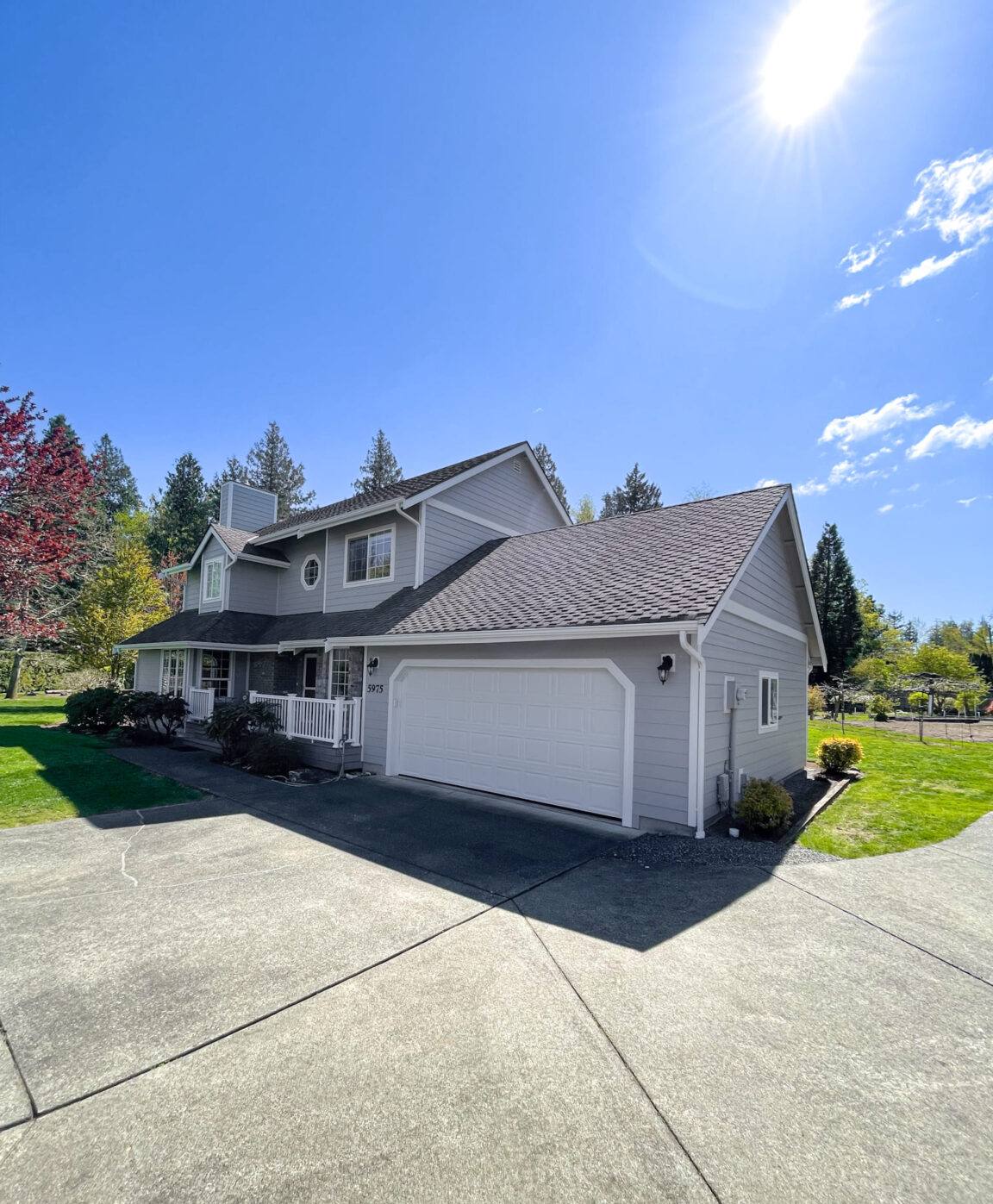
Ferndale sits close enough to the water that homes here deal with a different mix of weather than siding thirty miles inland. Salt-laden air off the Strait, driving rain that comes in sideways during winter storms, and a long stretch of the year where moss and algae have every reason to take hold on a north-facing wall — all of it adds up to a harder job for whatever's covering your house. Board and batten is one of the most popular siding profiles for Ferndale homes because of its clean, vertical lines and the way it reads on both older farmhouses and newer builds around town. But the look only holds up if the material and the installation are matched to what this stretch of Whatcom County actually throws at a house.
This page covers what board and batten siding needs to hold up in Ferndale specifically, what a correct installation looks like, and how we approach the job for homeowners in this area.
Why Board & Batten Needs Extra Attention Near the Coast
Board and batten isn't a single flat panel — it's a series of wide boards with narrow battens covering the seams, which means there are more vertical joints and more fastener lines than a standard lap siding job. Every one of those seams is a potential entry point for moisture if it isn't detailed correctly. In a drier inland climate that's a minor concern. In Ferndale, with rain that regularly comes with wind behind it, those seams need to be treated as a real weather barrier, not just a design line.
What Salt Air Does Over Time
Homes within a few miles of the water pick up airborne salt that settles on siding, trim, and especially fasteners. Standard fasteners can corrode faster in this environment, and corroding fasteners eventually stain the siding and lose their grip. It's a slow problem, which is exactly why it's overlooked — nobody notices it until streaks show up around every nail head.
What Driving Rain Does to Vertical Seams
Wind-driven rain doesn't just fall on siding, it pushes into gaps and laps that would stay dry in calm weather. Board and batten has more vertical seams than horizontal lap siding, so getting the batten spacing, fastening, and flashing right matters more here than it does on a flatter profile.
What a Long Moss Season Does to Board & Batten
Whatcom County's wet season stretches long, and shaded or north-facing walls stay damp for extended periods. Moss and algae take hold on any siding material that holds moisture at the surface, and once established they hold even more water against the wall behind them. A material that resists moisture absorption and a finish that doesn't give organic growth something to grip both matter more here than in a drier climate.
What Correct Board & Batten Installation Involves
A good-looking board and batten job and a correctly built one aren't always the same thing. From the outside, both look like clean vertical boards with battens over the seams. The difference is underneath.
- Weather-resistive barrier: A continuous, properly lapped water-resistive barrier behind the siding, not just tacked-up house wrap with gaps at penetrations.
- Rainscreen or drainage gap: A gap between the siding and the wall assembly so any moisture that does get past the boards can drain and dry instead of sitting against the sheathing.
- Correct fastening: Fasteners sized, spaced, and driven per manufacturer specification — not overdriven, not underdriven, and corrosion-resistant given the coastal air.
- Flashing at every penetration: Windows, doors, hose bibs, light fixtures, and vents all need proper flashing integrated with the water-resistive barrier, not caulk used as a substitute.
- Batten spacing and fastening: Battens fastened into structural framing where possible, spaced to allow for material movement without creating gaps that trap water.
- Bottom clearance: Proper clearance from grade, decks, and roof lines so the bottom edge of the siding isn't sitting in standing water or splash-back.
Skip any one of these and the siding might look fine for a few years before problems show up — usually staining, cupping, or soft spots right at the seams where they're hardest to catch early.
Why We Install James Hardie for Board & Batten in Ferndale
We only install James Hardie fiber cement siding, and board and batten is one of the profiles where that choice matters most. Board and batten in wood, engineered wood, or vinyl each come with trade-offs that get magnified in a coastal, high-moisture climate like Ferndale's.
Why Not Wood or Engineered Wood Board & Batten
Cedar and primed spruce board and batten can look excellent when new, but both are organic materials that absorb moisture. In a climate with a long wet season and regular salt air, that means more frequent refinishing, a higher chance of swelling or splitting at the seams, and more vulnerability to the moss and algae growth this area is known for. Engineered wood products face a similar issue at cut edges and seams — if moisture gets into the substrate, it can swell and compromise the panel from the inside out, which is often invisible until the damage is advanced.
Why Not Vinyl Board & Batten
Vinyl board and batten is common because it's inexpensive and low-maintenance in the sense that it doesn't need painting. But it's a thin plastic product that can warp in temperature swings, crack in impacts, and fade over time — and vinyl seams aren't nearly as rigid or well-sealed as a fiber cement system. In a windy, wet environment, vinyl's looser fit and lower impact resistance show up as rattling, gapping, and eventual replacement sooner than homeowners expect.
What James Hardie Does Differently
James Hardie fiber cement is non-combustible, doesn't absorb moisture the way wood does, and holds its shape and color far better than vinyl over time. The HZ5 product line is engineered for climates like ours — cold, wet winters and humid shoulder seasons — and the ColorPlus factory finish is baked on under controlled conditions, which means better color retention and fewer touch-ups than field-applied paint. It's also backed by a strong transferable warranty when installed to Hardie's specifications, which is part of why correct installation isn't optional for us — the warranty depends on it.
Cost Factors for Board & Batten in Ferndale
Every project is different, but these are the main variables that move the price on a board and batten job in this area:
| Factor | Why It Matters |
|---|---|
| Home size and wall complexity | More corners, gables, and dormers mean more cuts, more battens, and more labor |
| Existing siding removal | Tear-off of old wood, vinyl, or damaged siding adds labor and disposal cost |
| Sheathing and moisture damage | Rot found during tear-off (more common on shaded, coastal-facing walls) needs repair before new siding goes up |
| Trim and detail work | Window and door trim, corner boards, and fascia detailing add finish-carpentry time |
| Board width and batten spacing | Wider board spacing means fewer battens; narrower spacing means a different look but more material and labor |
| Access and site conditions | Multi-story walls, tight lot lines, or landscaping that limits staging can add time |
We don't quote a job without seeing the house — anything else is a guess. What we can tell you upfront is that the biggest cost swings usually come from what's found once old siding comes off, not from the board and batten material itself.
Our Process for Ferndale Board & Batten Projects
We work Ferndale regularly, which means we already know what to expect from this part of the county — the coastal exposure on the west-facing walls, the drainage challenges on older lots, and the moss patterns on shaded sides of a house. Our process for a board and batten project runs the same on every job:
- On-site assessment: We walk the exterior, check existing siding and sheathing condition, and note drainage, sun exposure, and any problem areas.
- Detailed estimate: A written scope covering material, tear-off (if needed), flashing and drainage details, and timeline — no vague allowances.
- Tear-off and inspection: Old siding comes off and we inspect the sheathing underneath before anything new goes up. Damage gets addressed before we move forward, not covered over.
- Weather barrier and drainage plane: Water-resistive barrier and rainscreen installed correctly, with attention to every window, door, and penetration.
- Board & batten installation: James Hardie boards and battens installed to manufacturer spec — fastening, spacing, and clearances done right the first time.
- Final walkthrough: We go over the finished job with you before we consider it done.
Signs Your Current Board & Batten Siding Needs Attention
- Soft spots or visible swelling along the vertical seams where battens meet boards
- Persistent moss or algae growth that comes back shortly after cleaning
- Streaking or rust-colored stains running from fastener locations
- Gaps or separation between battens and boards, especially on south or west walls
- Paint failure or peeling concentrated at seams rather than across the whole wall
- Visible warping or bowing in individual boards
Any one of these on their own might be minor. Several together, especially on the same wall, usually point to a moisture problem building behind the siding rather than just a surface issue.
Why Hire a Crew That Already Works This Area
Board and batten installation isn't complicated in concept, but getting it right in a coastal Whatcom County climate takes attention to details that don't matter as much elsewhere — fastener corrosion resistance, drainage behind the boards, and flashing that accounts for wind-driven rain rather than just vertical rainfall. A crew that works Ferndale and the surrounding coastal areas regularly has already run into these conditions on other homes and builds for them by default, rather than learning it on your project.
If you're considering board and batten siding for a home in Ferndale, we're happy to take a look and give you a straight, no-pressure estimate — what we'd recommend, what it would cost, and why. There's a form below to get started.