 Lynden Siding
 Why Blaine's Coastal Climate Wears Out Siding Faster
Blaine sits about as close to the water and the Canadian border as a Whatcom County home can get, and that location shapes what happens to exterior siding here. Salt-laden air off the Strait of Georgia and Semiahmoo Bay works differently on building materials than the drier air further inland — it accelerates corrosion of fasteners, breaks down cheap paint films faster, and settles into any seam or crack in siding that isn't sealed correctly. Add driving rain that comes sideways off the water during winter storms, and you've got a wall assembly that's being tested from multiple directions at once, not just from above like a typical roof.
Then there's moss. Whatcom County's long, wet shoulder seasons give moss and algae months to establish themselves on any siding surface that stays damp and shaded, which describes a lot of north- and west-facing walls in Blaine. Moss isn't just a cosmetic problem — it holds moisture against the siding surface, and sustained moisture contact is what breaks down wood-based and composite products from the inside out, whether or not the surface paint still looks intact.
None of this means siding in Blaine is doomed to fail early. It means the product and the installation both have to be matched to what the site actually throws at the wall, and that's the starting point for every replacement we scope here.
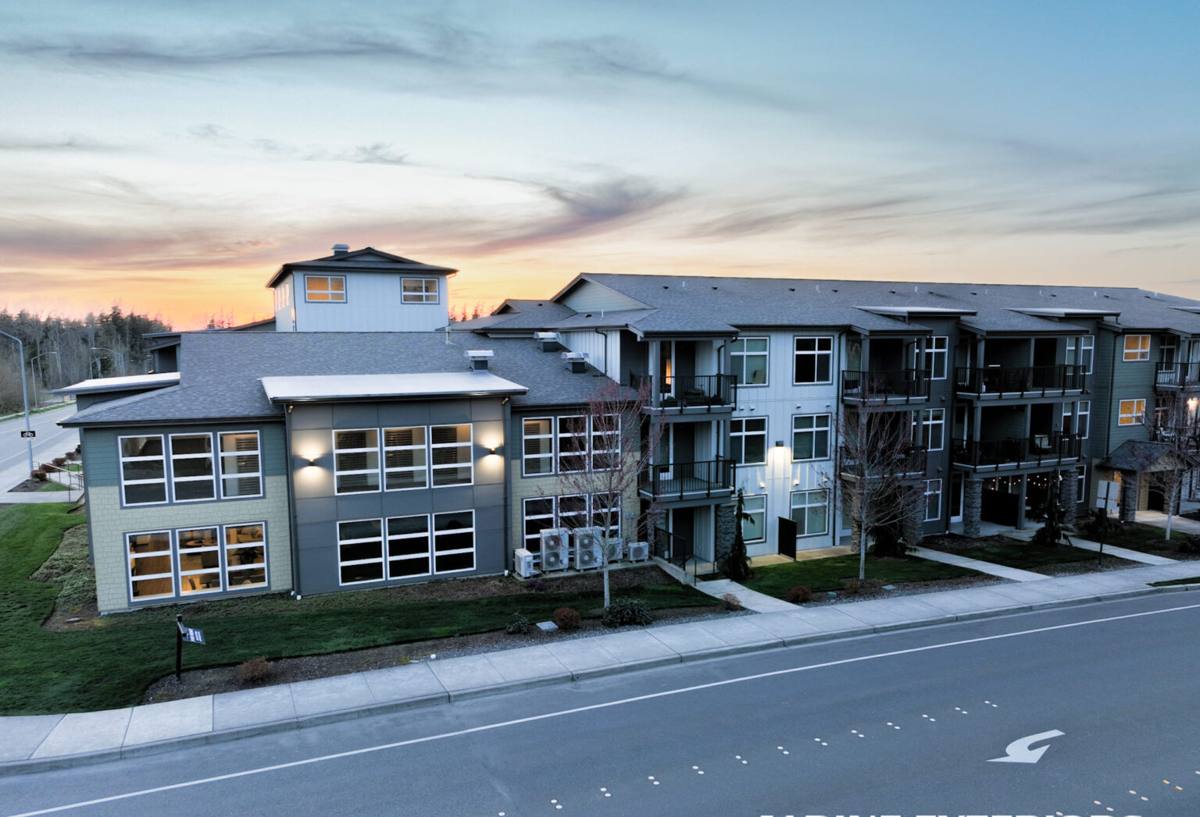
What a Correct Siding Replacement Actually Involves
A siding replacement isn't just pulling off old boards and nailing up new ones. Done right, it's a full inspection and rebuild of the water-management system behind the visible surface. That includes:
- Removing the old siding and inspecting the sheathing underneath for rot, soft spots, or prior water intrusion — especially around window and door openings, which is where most failures start
- Repairing or replacing any damaged sheathing before anything new goes back on the wall
- Installing a correctly lapped weather-resistive barrier (housewrap or building paper) so water sheds outward rather than tracking behind the cladding
- Properly flashing every window, door, deck ledger, and penetration — this is the single most common place cut corners show up on older Whatcom County homes
- Installing new siding with the fastener pattern, gaps, and clearances the manufacturer specifies, not just "close enough"
- Sealing and caulking only where the manufacturer's system calls for it — over-caulking traps moisture just as badly as under-caulking lets it in
Skip any of these steps and the new siding may look right for a season or two, but a coastal climate like Blaine's will find the gap. We've seen replacement jobs fail in under five years because the flashing detail behind the new siding was never addressed — the old siding came off looking fine while the sheathing behind it was already compromised.
Why We Install Only James Hardie Fiber Cement Here
We standardized on James Hardie fiber cement siding for every home we work on, including in Blaine, and it's worth explaining why rather than just stating it. Fiber cement is non-combustible, doesn't absorb water the way wood-based products do, and holds paint and factory finish far longer in wet, salt-influenced air. That last point matters specifically here — a lot of the moss and mildew staining we see on older siding in this area is sitting on a surface that's already porous and holding moisture, which is exactly what fiber cement is engineered to resist.
Hardie's ColorPlus factory-applied finish is baked on and backed by its own warranty, so it isn't relying on a field-applied paint job to hold up to salt air and UV over the long run. The HZ5 product line in particular is engineered for wetter, harsher climates, which is a real specification difference — not marketing language — from products designed for drier regions of the country.
We don't install LP SmartSide, vinyl, Cemplank, Allura, primed spruce, or cedar, and that's a deliberate standard, not a lack of familiarity with those products. Each of them can be a reasonable choice somewhere, but each also has a trade-off — moisture sensitivity, seam and expansion behavior, finish durability, or warranty structure — that we don't think holds up as well against a driving-rain, salt-air, long-moss-season climate over a 20-30 year ownership horizon. Fiber cement, installed correctly, is the product we're willing to put our name behind on homes in this part of the county.
Signs a Blaine Home Needs Siding Replaced Rather Than Repaired
| Sign | What It Usually Means |
|---|---|
| Soft or spongy siding when pressed | Water has gotten behind the surface and started breaking down the material — usually not a spot-repair situation |
| Persistent moss/algae that returns quickly after cleaning | The wall isn't drying between rain events, which points to a ventilation or moisture-barrier issue behind the siding |
| Paint or finish failing in patches, especially on north/west walls | Salt air and shade are breaking down the finish faster than the rest of the house — a localized clue, not a full-house verdict on its own |
| Visible gaps, warping, or cupping boards | Material has absorbed moisture and is moving — common on older wood and composite siding in this climate |
| Rot or staining around window trim | Flashing has likely failed at that opening; often the first place problems show up before they spread |
A single soft spot or a bit of moss doesn't always mean full replacement — sometimes it's a repair and a fix to the flashing detail causing it. But once several of these signs show up together, or the siding is old enough that the underlying moisture barrier is due for replacement anyway, a full re-side is usually the more cost-effective call than chasing repairs year after year.
How Our Process Works, Start to Finish
Assessment and Estimate
We walk the exterior with you, note problem areas, and give you an honest read on whether you're looking at repair or full replacement. If sheathing damage is suspected, we'll flag that as a possible cost variable before work starts rather than surprising you mid-project.
Tear-Off and Inspection
Old siding comes off in sections so the crew can inspect sheathing as they go, rather than exposing the whole house to weather at once — a meaningful consideration during Blaine's rainier months.
Repair and Weather Barrier
Any compromised sheathing gets replaced. New weather-resistive barrier and flashing go in at every penetration, lapped correctly for water to shed downward and outward.
Hardie Installation
Fiber cement siding goes up to manufacturer spec — fastener spacing, clearances above grade and hard surfaces, and gaps at trim — so the warranty is actually intact if it's ever needed.
Final Walkthrough
We go over the finished work with you, point out anything worth knowing about future maintenance, and clean the site before we leave.
Why a Crew That Already Works in Blaine Makes a Difference
Siding installation quality depends a lot on whether the crew actually accounts for the site conditions they're building for. A crew that mostly works drier inland areas may not default to the flashing and clearance details that matter most where salt air and driving rain are a daily fact of life. A crew that regularly works Blaine and the surrounding Whatcom County coastline already knows which wall orientations take the worst weather, where moss tends to establish first, and which older homes in the area are more likely to have compromised sheathing under the existing siding before they even start tear-off.
That local pattern recognition doesn't replace a proper inspection of your specific house, but it does mean fewer surprises and a install that's built with this climate in mind from the first day of the job, not adjusted after the fact.
Maintaining Your New Siding in a Coastal Climate
Fiber cement siding is low-maintenance compared to wood or vinyl, but "low-maintenance" isn't "no-maintenance" in an environment like Blaine's. A short annual routine goes a long way:
- Rinse the siding down once a year to clear salt residue and early moss growth before it establishes
- Keep gutters clear so water isn't overflowing directly onto siding below
- Trim back vegetation that shades walls and keeps them from drying out between rain events
- Check caulking at trim and penetrations periodically — it's a smaller maintenance item than full siding, but it's the first line of defense against water intrusion
- Repaint or refinish trim boards on the schedule the manufacturer recommends, even though the Hardie panels themselves hold their ColorPlus finish far longer
None of this is heavy work, but skipping it is how a well-installed siding job ends up looking neglected years before it should.
What This Costs, and What Drives the Number
Every Blaine home is different, so we won't quote a number without seeing the house, but a few factors consistently move the price:
| Factor | Why It Matters |
|---|---|
| Extent of sheathing repair needed | Hidden water damage found during tear-off is the most common reason a project's scope grows |
| Home size and wall complexity | More corners, dormers, and trim details mean more labor and material |
| Siding profile chosen | Lap width, board texture, and trim style all affect material cost within the Hardie product line |
| Access and site conditions | Tight lots, second stories, or landscaping close to the house can add setup time |
| Existing paint/finish removal | Some older siding requires extra care or disposal handling depending on what's underneath |
We'll walk through these specifics for your home during the estimate so the number you get reflects your actual project, not a generic per-square-foot guess.
If your Blaine home is showing moss buildup, soft siding, or finish that's failing faster than it should, we're happy to take a look and give you a straight answer on repair versus replacement. Reach out below for a free, no-pressure estimate.