 Lynden Siding
 Deck Repair Built for Kendall's Conditions
Kendall sits in a wetter, shadier pocket of Whatcom County than most people realize. Between the tree cover common to lots out this way and the marine air that moves through the whole county off the Sound, decks here deal with more standing moisture, more moss, and more freeze-thaw cycling than a deck sitting out in the open sun ever would. Add in the driving rain that comes through in fall and winter, and you've got a recipe for rot that starts quietly underneath the deck boards, long before it shows up as a soft spot you can feel with your foot.
We repair decks throughout the Kendall area and see the same failure patterns over and over. This page walks through what actually goes wrong, what a correct repair looks like, and how we handle the job from first look to final walk-through.
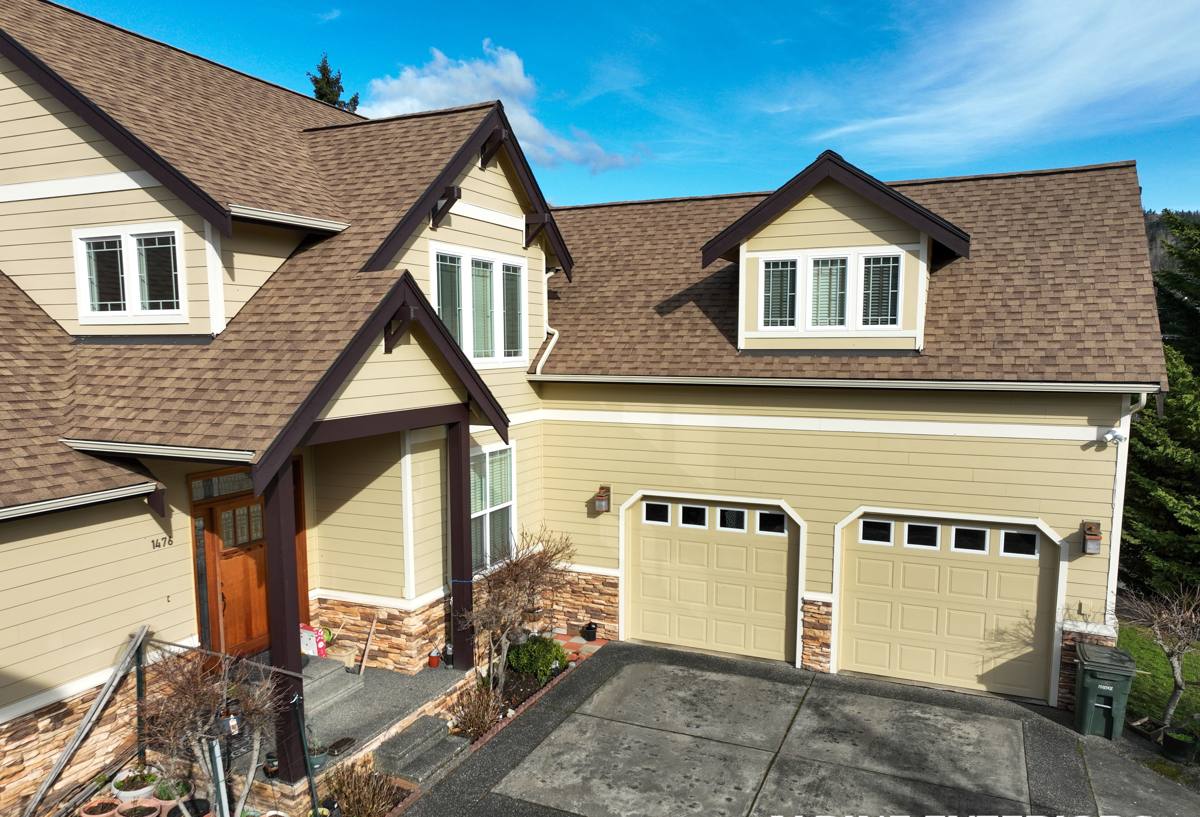
Why Local Climate Matters More Than People Think
A deck repair that would hold up fine in a dry inland climate can fail within a couple years out here if it's done wrong. Whatcom County's combination of long moss season, near-constant fall and winter dampness, and shaded, tree-lined lots means every repair decision — fastener type, wood species, drainage detail — has to account for moisture that doesn't fully leave the wood for months at a time.
What This Looks Like in Practice
- Moss and algae holding moisture against decking boards long after a storm has passed
- Ledger boards and rim joists staying damp against the house because flashing was skipped or installed wrong
- Standard fasteners corroding faster than they would in a drier climate, especially where they contact treated lumber
- Shaded areas under trees or roof overhangs drying weeks slower than open, sun-exposed sections of the same deck
None of this means a deck in Kendall can't last decades. It means the repair has to be done with this climate in mind, not with generic assumptions that work fine somewhere drier.
Signs Your Deck Needs Repair
Most deck failures give warning signs well before anything becomes dangerous. If you're not sure whether your deck needs attention now or can wait, walk through this list.
- Boards that feel spongy, springy, or soft underfoot, especially near the house or stairs
- Railings or posts that wobble or flex when you lean on them
- Visible gaps opening up between the ledger board and the house siding
- Rust streaks running down from screws, nails, or joist hangers
- Persistent green or black growth on boards that never fully dries out
- Stair stringers that feel bouncy or make cracking sounds under weight
- Gaps or cupping in the decking boards that trap water instead of shedding it
- A noticeable slope or sag developing in one section of the deck
Any one of these on its own might be a minor fix. Several together, especially near the ledger or posts, usually points to a structural issue underneath that's worth having looked at before it gets worse.
What a Correct Deck Repair Actually Involves
Ledger Board and Flashing
The ledger board — the piece bolted to your house that the deck framing hangs from — is the single most common source of serious deck failure in this climate. If flashing wasn't installed correctly, or wasn't installed at all, water gets trapped between the ledger and the house and rots both from the inside out. This is invisible from a casual look and usually only found once boards are pulled or a moisture meter is used. Fixing this right means removing decking near the house, checking the ledger and rim joist condition, and installing proper flashing before anything goes back together — not just caulking over the problem.
Framing, Posts, and Footings
Joists, beams, and posts take on moisture from below as well as above, especially where they sit close to grade or in shaded, poorly ventilated spots under the deck. We check joist ends for soft spots, look at how posts meet their footings, and inspect joist hangers for rust and corrosion. In this climate, standard fasteners in contact with modern treated lumber corrode faster than they should — hardware needs to be rated for that contact, typically hot-dip galvanized or stainless, or you're setting up the next round of repairs in a few years.
Decking Surface and Guardrails
Surface-level repairs — replacing cupped, splintering, or rotted boards — are the most visible part of the job but not always the most important. We also check railing posts for solid attachment to the framing and confirm guardrail height and baluster spacing meet current code, since older decks in this area were often built before current requirements and a repair is a natural point to bring things up to standard.
Repair or Rebuild? How We Make the Call
Not every deck problem needs a full rebuild, and not every deck is worth saving as-is. We look at where the damage is concentrated and how much of the structure underneath is still sound.
| Situation | Usually Means | Why |
|---|---|---|
| Surface boards worn, cupped, or splintering but framing is solid | Deck resurfacing / board replacement | Framing carries the load; boards are the wear layer |
| Rot isolated to ledger, one post, or a few joists | Targeted structural repair | Cheaper to fix the failed section than replace the whole deck |
| Rot at multiple structural points, sagging, or footings undersized | Full or partial rebuild | Patching individual failures doesn't address the underlying pattern |
| Deck was never permitted or built to code originally | Rebuild recommended | Repair alone won't bring an out-of-code structure into compliance |
We'll always tell you honestly which category your deck falls into rather than pushing toward the bigger job. A lot of decks we look at in Kendall genuinely just need targeted repair, not replacement.
Choosing Materials for a Repair
What you repair with matters as much as how it's installed, particularly given how long boards stay damp here.
| Material | How It Handles This Climate | Maintenance |
|---|---|---|
| Pressure-treated lumber | Good rot resistance if properly sealed and maintained; needs correct fastener pairing | Re-seal every 1-2 years, especially shaded areas |
| Cedar | Naturally moisture and insect resistant, ages well if finished regularly | Re-stain or seal every 1-2 years to prevent graying and moisture uptake |
| Composite decking | Resists rot and moisture absorption in the board itself; substructure still needs the same protection | Occasional cleaning to prevent moss/algae buildup on the surface |
Composite is often a good fit for surface replacement on a deck that gets heavy shade and moss pressure, since the boards themselves won't rot the way wood can. But it's not a shortcut around proper framing and flashing work underneath — composite decking on top of a rotted, unflashed ledger is still a deck with a real structural problem.
How Our Repair Process Works
- Inspection: We check the ledger and flashing, probe framing and posts for soft spots, and look at footings, hardware condition, and drainage under the deck.
- Honest assessment: We tell you what's actually wrong, what's cosmetic versus structural, and what your realistic options are — repair, partial rebuild, or full rebuild.
- Written proposal: A clear scope of work and price before anything is touched, so there are no surprises mid-job.
- Permitting, if required: We handle the paperwork for anything that needs it based on scope and jurisdiction.
- The repair: Proper flashing, correctly rated hardware, and materials matched to how the area of the deck actually gets exposed to sun, shade, and moisture.
- Final walk-through: We check the finished work with you before we consider the job done.
Permits and Code Considerations
Whether a deck repair needs a permit depends on the scope — replacing a few boards is usually different from rebuilding framing, replacing a ledger connection, or altering stairs and railings. Structural work and anything touching the ledger attachment to the house typically falls under current building code requirements, including guardrail height and baluster spacing on railings. Since Kendall falls under Whatcom County's jurisdiction outside city limits, we check what's required for your specific project before work starts rather than assuming based on the last job we did.
Why It Helps to Hire a Crew That Already Works This Area
A contractor who regularly works decks around Kendall and the rest of Whatcom County has already seen how moss, shade, and driving rain affect framing and fasteners here, and that shapes real decisions — which hardware to use, how much drainage detail to build in under the deck, which board species holds up in a shaded yard versus an open one. That's different from applying generic deck-repair knowledge to a climate it wasn't built for. It also means faster, more accurate estimates, since we're not guessing at what long-term moisture exposure has likely done to a structure — we've seen the pattern before.
Get a Straight Answer on Your Deck
If your deck has soft spots, a wobbly rail, or just doesn't feel as solid as it used to, it's worth having someone look before it gets worse or more expensive to fix. We'll give you a clear, honest assessment of what's actually going on and what it would take to fix it right — no pressure, no upsell. Fill out the form below for a free estimate on your Kendall deck repair.