 Lynden Siding
 Roof Replacement for Bellingham Homes
Bellingham sits close enough to the water that salt air is part of daily life, and close enough to the foothills that moss has months to work on a north-facing roof before summer ever dries it out. A roof here isn't just shedding water during a storm — it's fighting slow, constant moisture exposure for most of the year. That combination is why roof replacement done right in this area looks a little different than a generic reroof job done somewhere dry and inland.
When a Bellingham roof reaches the end of its life, the failure is rarely one dramatic leak. It's usually a slow accumulation of small problems — degraded granules, soft spots around old flashing, moss holding moisture against the shingles — that finally add up to a roof that can't be patched anymore. Replacement at that point isn't just about stopping a leak, it's about resetting the clock with materials and detailing suited to this climate.
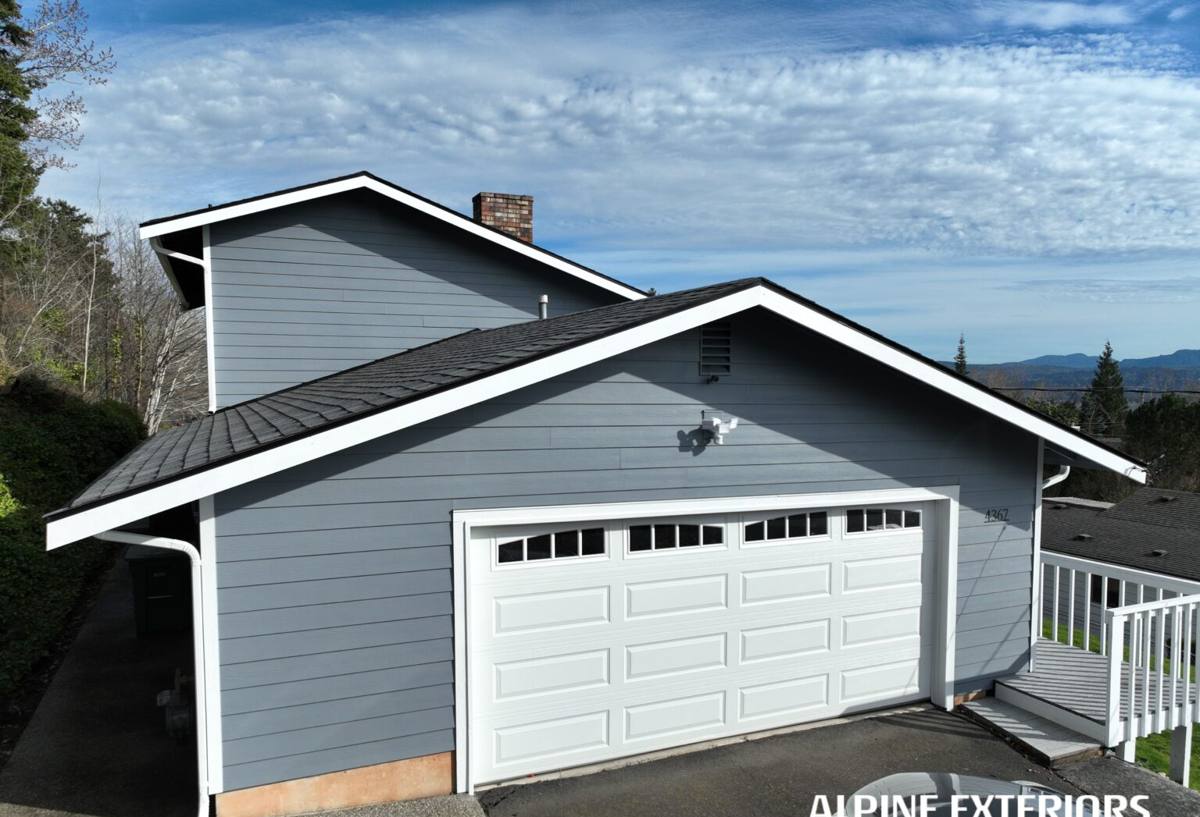
What Bellingham's Climate Actually Does to a Roof
Salt Air and Corrosion
Homes closer to Bellingham Bay deal with airborne salt that accelerates corrosion on exposed metal — nails, flashing, vent stacks, and gutter hardware all age faster here than they would twenty miles inland. A roof system that leans on cheap or under-spec'd metal components will show rust and pinholing well before the shingles themselves are worn out.
Driving Rain
Whatcom County storms often come in sideways off the water, which means water gets pushed up under laps and around penetrations that would stay dry in a straight-down rain. Roofs here need underlayment and flashing details built for wind-driven rain, not just gravity drainage.
Moss and Shade
Long wet seasons and plenty of tree cover give moss a real head start, especially on north- and west-facing slopes that don't get much sun. Moss doesn't just look bad — it lifts shingle edges, holds water against the roof deck, and shortens the life of even a quality roof if it's left unchecked.
Signs a Bellingham Roof Needs Replacement, Not Another Repair
- Granule loss heavy enough that you can see bare, shiny patches on multiple slopes
- Moss growth that comes back within a season or two of cleaning, even after treatment
- Soft or spongy decking felt underfoot in the attic or during a walk-on inspection
- Repeated leaks in different spots each winter rather than one consistent trouble area
- Flashing around chimneys, skylights, or vents that's rusted, cracked, or was never properly stepped in the first place
- Shingles curling, cupping, or cracking across a large percentage of the roof rather than one isolated section
- The roof is past 20-25 years old and has already had one or more patch repairs
If it's one or two of these and the roof is otherwise young, a repair is usually the honest answer. When several show up together, or the roof is old enough that repairs are just delaying the inevitable, replacement is the more cost-effective path — you stop paying for patches on a system that's already failing underneath.
What a Correct Roof Replacement Involves Here
Tear-Off and Deck Inspection
A proper replacement starts with full tear-off, not a layover. That's the only way to actually see the deck — soft spots, old water staining, and any rot that's been hiding under the old shingles all need to be addressed before new material goes down. In a climate this wet, skipping this step just seals moisture problems back in.
Underlayment Built for Wind-Driven Rain
Given how often storms push rain sideways here, underlayment choice matters more than in drier regions. We install synthetic underlayment across the field and self-adhering ice-and-water membrane at eaves, valleys, and penetrations — the spots where wind-driven water is most likely to find a way in.
Flashing Done Right
Flashing is where most roof leaks actually start, not in the field of the shingles. Chimneys, skylights, sidewalls, and vent penetrations all get new step flashing, counterflashing, and pipe boots — not a bead of caulk over the old metal. In a salt-air environment, we also pay attention to metal quality so flashing doesn't become the first thing to fail again.
Ventilation
A roof that can't breathe traps moisture in the attic, which speeds up deck rot and helps moss and mildew take hold from underneath. Balanced intake and exhaust ventilation is part of a correct replacement, not an optional add-on.
Material Selection
Most Bellingham homes do well with a quality architectural asphalt shingle rated for high wind, paired with proper underlayment and flashing — that combination handles this climate reliably without a premium price tag. For homeowners wanting more moss resistance built into the material itself, algae-resistant shingle lines and metal roofing are both reasonable upgrades depending on the home's style and budget. We'll walk through the honest trade-offs of each rather than push whatever has the best margin.
Comparing Roofing Materials for This Climate
| Material | Moss/Moisture Resistance | Salt Air Durability | Typical Lifespan |
|---|---|---|---|
| Standard architectural asphalt shingle | Good, with regular moss maintenance | Good, if metal components are quality-grade | 25-30 years |
| Algae/moss-resistant shingle | Better — copper or zinc granules discourage growth | Good | 25-30 years |
| Standing seam metal | Excellent — little for moss to grip | Very good with proper coating/fasteners | 40-50+ years |
| Cedar shake | Poor without diligent upkeep — holds moisture | Fair — needs regular treatment | 20-30 years with maintenance |
None of these is automatically "wrong" for Bellingham — it depends on the home, the roof's exposure to shade and moisture, and what the homeowner is willing to maintain. We'll give you a straight read on which fits your specific roof rather than a one-size answer.
Cost Factors for a Bellingham Roof Replacement
Every roof is different, but the same handful of factors drive most of the price variation we see on Whatcom County homes:
| Factor | Why It Matters Here |
|---|---|
| Roof size and pitch | Steeper roofs take longer and require more safety setup |
| Number of penetrations | Each chimney, skylight, and vent needs individual flashing work |
| Deck condition | Wet climates increase the odds of hidden rot needing repair before install |
| Material choice | Standard shingle vs. algae-resistant vs. metal changes material cost significantly |
| Moss/tree cover | Heavily shaded roofs may need extra prep or ventilation work |
| Access and layout | Multi-story homes or tight lots affect labor and staging time |
We don't publish a flat per-square price because the honest number depends on what we find once we're actually looking at your roof — but we'll give you a clear, itemized estimate before any work starts, and we'll explain every line on it.
Our Process for a Bellingham Roof Replacement
- On-site inspection. We walk the roof, check the attic for ventilation and moisture issues, and look closely at flashing and any current trouble spots.
- Written estimate. You get a clear breakdown of material options, scope of work, and cost — no vague allowances.
- Scheduling around the weather. We plan tear-off and dry-in around forecast windows so your home isn't exposed to Whatcom County rain any longer than necessary.
- Tear-off, deck repair, and installation. Full removal of old roofing, deck repairs as needed, then underlayment, flashing, and final material installed to manufacturer and code specs.
- Final walkthrough. We review the completed roof with you, including ventilation and any maintenance notes specific to your property's sun/shade exposure.
Why a Local Crew Matters for This Job
Roof replacement isn't a job you want to hand to a crew that's only in the region for a season or trucked in from out of area. A contractor who works Bellingham and the surrounding Whatcom County towns regularly already knows which slopes tend to hold moss, which older neighborhoods commonly have deck rot under the shingles, and which flashing details actually hold up against wind-driven rain off the bay. That local pattern recognition shows up in fewer surprises and fewer callbacks.
It also matters for accountability. A local roofing crew has a reputation in the community to protect and is easy to reach if a question comes up after the job is done — not a phone number that stops answering once the crew moves to the next region.
Maintaining Your Roof After Replacement
- Keep gutters clear so water isn't backing up under the eaves during heavy rain
- Have moss treated at the first sign of regrowth rather than waiting for it to spread
- Trim back overhanging branches to reduce shade and debris buildup on north-facing slopes
- Schedule a quick visual check after major windstorms to catch lifted shingles or flashing early
- Confirm attic ventilation stays clear and unblocked by insulation or storage
A new roof done right, paired with basic seasonal upkeep, is what actually gets you the full lifespan out of the investment in this climate.
Get a Free, No-Pressure Estimate
If your Bellingham roof is showing its age — moss that keeps coming back, granule loss, or leaks that move around from year to year — it's worth a straight, in-person look before deciding between another repair and a full replacement. Fill out the form below for a free estimate; we'll give you an honest read on where your roof actually stands.