 Lynden Siding
 Building Decks for Life Around Wiser Lake
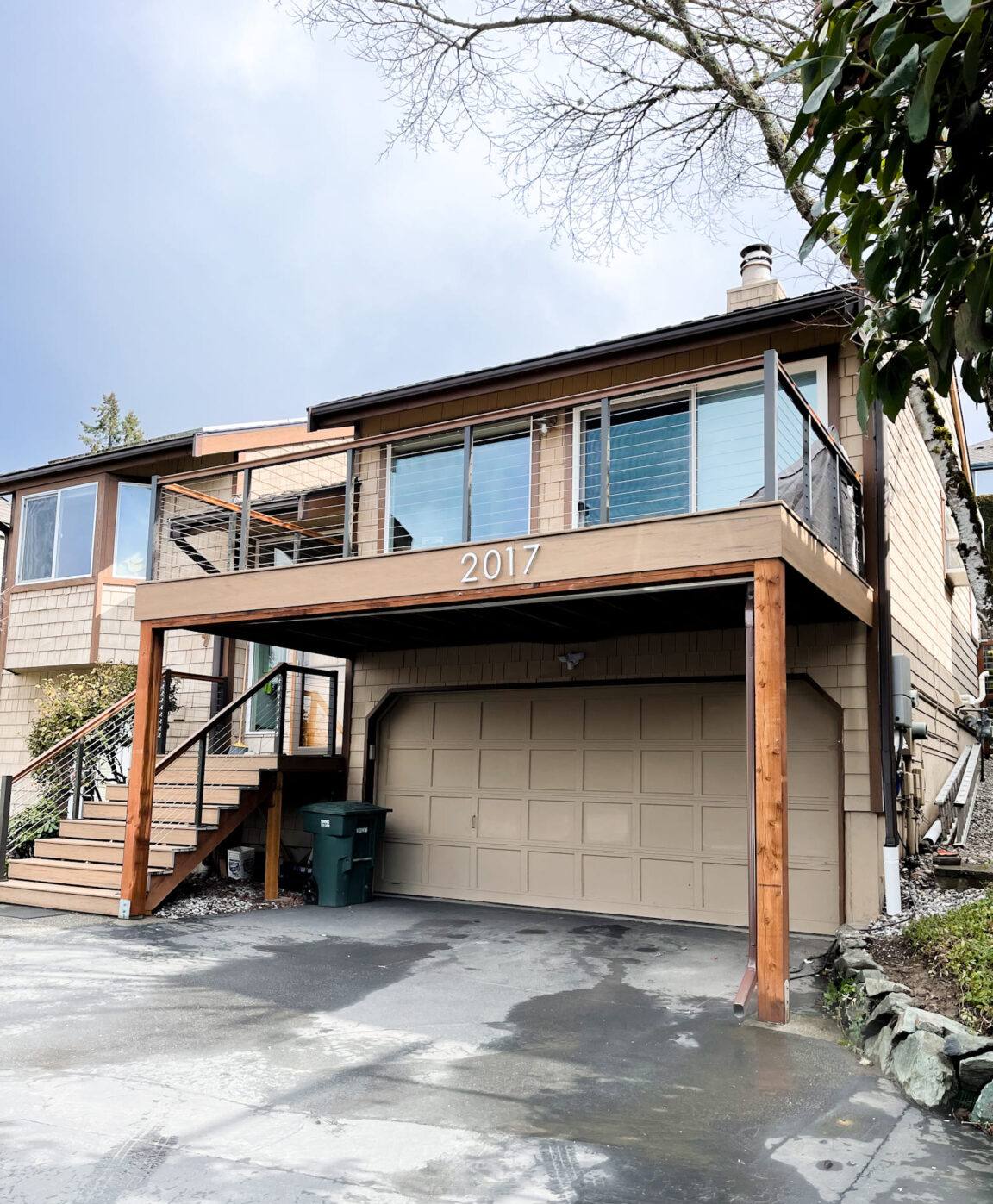
Wiser Lake sits in a pocket of Whatcom County that gets more moisture exposure than a typical Lynden lot a few miles inland — lake humidity, low-lying grade, and tree cover that keeps things shaded and damp longer into the day. A deck out here isn't just outdoor furniture for your yard; it's a structure that sits in near-constant contact with moisture for a good chunk of the year. We've built and repaired enough decks around the lake to know that a design that works fine in a dry, open lot in another part of the county won't hold up the same way here.
This page is about custom deck building specifically for Wiser Lake properties — what the site conditions demand, what a correctly built deck actually involves below the surface, and how we approach the job so it lasts.
What Wiser Lake's Climate Does to a Deck
Three things drive almost every deck problem we see in this part of Whatcom County:
Salt-tinged, moisture-heavy air
Even though we're not on the coast, the combination of lake evaporation and the region's marine-influenced air keeps humidity elevated around the water. That moisture works into any gap in a finish, any exposed end grain, and any fastener that isn't rated for it. Standard hardware corrodes faster near the lake than it would on a dry inland lot.
Driving rain, not just rain
Whatcom County's winter storms tend to come in sideways off the water more often near the lake than in town. That means rain doesn't just fall on the deck surface — it drives up under rail caps, into ledger connections, and behind fascia boards. A deck built for straight-down rain in mind will leak at every horizontal-to-vertical joint out here.
Long moss season
Shade from lake-edge trees plus consistently damp wood surfaces means moss and algae get a longer growing window around Wiser Lake than they do on an open, sunnier lot closer to town. Moss holds moisture against the decking material, which accelerates rot in wood and can make composite and even PVC surfaces slick and streaky if they're not detailed to shed water and dry out between rains.
What a Correct Deck Build Involves Here
A deck that's going to hold up around Wiser Lake needs attention in places that don't show once the project is finished:
- Ledger flashing: Where the deck ties into the house, the ledger board needs proper flashing — not just caulk — so driving rain can't work its way behind the siding or into the rim joist. This is the single most common failure point we find on older lake-area decks.
- Joist tape or cap protection: Covering the tops of exposed joists and beams with a self-adhering flashing tape keeps water from sitting in fastener holes and wicking into the wood grain, which is where rot starts even on treated lumber.
- Footings sized for the actual soil: Low-lying, lake-adjacent lots often have wetter or softer soil than higher ground nearby. Footings need to be sized and set to local frost depth and bearing conditions, not just built to a generic minimum.
- Gapped decking with real drainage: Proper spacing between boards, plus a drainage plan underneath (whether that's open ground, gravel, or an under-deck drainage system), keeps water moving instead of pooling where moss and rot get started.
- Fasteners rated for wet, mineral-rich conditions: Coated or stainless fasteners cost more up front but resist the corrosion that plain galvanized hardware suffers in a damp, lake-adjacent environment.
- Rail and post connections that shed water: Post bases and rail-to-deck connections need to be detailed so water doesn't collect at the base, which is a slow, hidden way decks fail from the ground up.
Choosing Decking Material for a Lake-Adjacent Lot
There's no universally "right" decking material — it's a trade-off between upfront cost, maintenance commitment, and how the material behaves in sustained moisture and shade. Here's how the common options compare for a Wiser Lake setting specifically:
| Material | Moisture/Moss Behavior | Maintenance | Typical Lifespan Here |
|---|---|---|---|
| Pressure-treated wood | Absorbs moisture readily; needs a breathable finish to resist moss staining | Annual cleaning and re-staining or sealing recommended in this climate | 10–15 years with consistent upkeep |
| Cedar | Naturally more rot-resistant than treated pine but still needs sealing against sustained dampness | Periodic cleaning and refinishing to hold its color and resist moss | 15–20 years with upkeep |
| Composite decking | Doesn't rot, but can support surface algae/moss growth in shaded, damp spots if not cleaned | Occasional washing; no staining or sealing needed | 25+ years, manufacturer-dependent |
| PVC/capped polymer decking | Fully moisture-resistant surface; least prone to moss taking hold | Lowest maintenance of the group; occasional rinse | 25+ years, manufacturer-dependent |
We don't push one material on every job. A shaded lake lot with heavy tree cover is a strong case for composite or PVC decking simply because it removes the annual maintenance burden that wood demands in a damp, low-light spot. A more open, sun-exposed section of a Wiser Lake property can do fine with cedar or treated wood if the owner is committed to yearly care. What matters more than the label on the decking is whether the structure underneath is built and flashed correctly — that's where most deck failures actually start, regardless of surface material.
Design Considerations Specific to This Site
Custom, for us, means the design responds to the actual lot — not a catalog layout dropped onto whatever grade you have.
Grade and drainage around the footprint
Lake-adjacent lots are often lower and flatter than inland lots, which can mean water has fewer places to go. We look at how the deck's footprint affects water flow around the foundation and yard before finalizing post and beam placement.
Shade mapping
Where the tree canopy sits relative to the deck determines how long any given board stays damp after a rain. We use that to decide where extra ventilation, wider board gaps, or a more moisture-tolerant material makes sense, rather than treating the whole deck as one uniform surface.
Orientation toward the lake
Most owners want the deck to open toward the water. We balance that view priority against sun and wind exposure so the space is actually usable through more of the year, not just on the few driest days.
Our Process for a Wiser Lake Deck Project
- On-site walk-through: We look at grade, shade, existing drainage, and how the deck will tie into the house before any design talk happens.
- Design and material discussion: We lay out the honest trade-offs between wood and composite/PVC options for your specific spot on the lot, with real maintenance expectations attached.
- Permitting: Deck permits and setback requirements can vary depending on lot proximity to the lake and Whatcom County shoreline or critical-area rules. We handle that process rather than leaving it on you to sort out.
- Structural build: Footings, framing, ledger flashing, and joist protection go in first — the parts that determine how long the deck lasts, even though they're invisible once finished.
- Decking, rail, and finish work: Surface material, railing, and any finish or sealant go on last, detailed to shed water rather than trap it.
- Walkthrough and care guidance: We go over what maintenance your specific material and site actually need — not a generic pamphlet.
Maintenance Checklist for Wiser Lake Deck Owners
Whatever material you choose, a few habits go a long way toward avoiding moss buildup and moisture damage in this climate:
- Sweep leaves and organic debris off the deck surface regularly through fall — trapped debris holds moisture and feeds moss.
- Rinse or wash the deck surface at least once or twice a year, more often in heavily shaded spots.
- Check ledger flashing and rail-to-post connections annually for gaps, cracked caulk, or signs of water staining.
- For wood decks, re-seal or re-stain on the schedule your finish product recommends — don't wait until it visibly fails.
- Keep gutters and downspouts near the deck clear so roof runoff isn't dumping extra water onto or near the structure.
- Trim back overhanging branches where practical to reduce shade and speed drying time after rain.
Why a Crew That Already Works Wiser Lake Matters
Deck problems around the lake tend to repeat themselves — the same ledger flashing shortcuts, the same undersized footings on soft ground, the same moss buildup in the same shaded corners. A crew that's already worked on homes in this specific area has seen those failure patterns firsthand and builds around them from the start, instead of learning the hard way on your project.
Local knowledge also matters for the parts that aren't glamorous: knowing which permitting steps apply to a lake-adjacent lot, understanding how Whatcom County's rain patterns actually behave through the different seasons, and being close enough to come back for a warranty check or a quick repair without a long drive eating into response time. That's the practical value of hiring a Lynden-based crew that treats Wiser Lake as part of its regular service area, not an occasional outlying job.
Get a Straight Answer on What Your Lot Needs
Every lot around Wiser Lake handles moisture a little differently depending on grade, shade, and how close you sit to the water. We'll walk your property, tell you honestly what a well-built deck should include for your specific spot, and give you a free, no-pressure estimate — no generic sales pitch, just what the site actually calls for. Use the form below to get started.