 Lynden Siding
 Windows in Sumas Take a Different Kind of Beating
Sumas sits out where Whatcom County's weather gets serious about itself. The marine-influenced climate that defines this whole corner of Washington — salt-tinged air drifting in off the water, driving rain that runs sideways more often than straight down, and a moss season that stretches from fall through spring — doesn't spare the windows just because a home is a few miles inland from Lynden. Wood sashes swell and stick. Aluminum frames pit and corrode. Old glazing putty cracks and lets water track behind the trim. None of that happens overnight, but by the time a homeowner notices drafts, fogged glass, or a windowsill that's gone soft, the damage has usually been building for years.
Window replacement out here isn't a cosmetic upgrade — it's maintenance on the single biggest gap in a home's building envelope. Get it wrong and you've just installed a new leak with better curb appeal. Get it right and you've solved drafts, moisture intrusion, and energy loss in one job. This page is about doing that job correctly for homes in and around Sumas, where the weather doesn't give you much room for error.
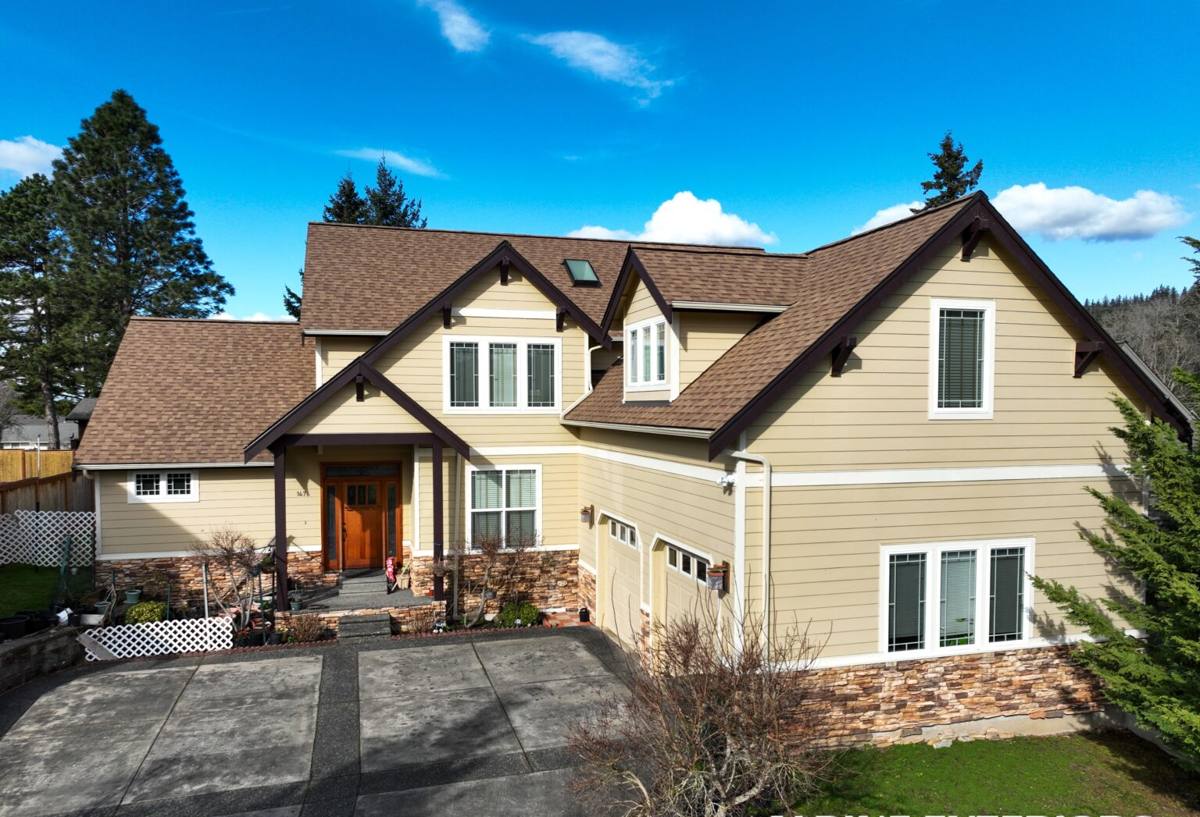
Signs a Sumas Home Actually Needs Window Replacement
Not every drafty window needs full replacement — sometimes it's a failed weatherstrip or a loose sash lock. But certain signs point to something deeper than a quick fix, especially in a climate this wet:
- Fogging or a permanent haze between panes — the seal on the insulated glass unit has failed and moisture is trapped inside
- Wood trim or sills that feel soft, spongy, or show dark staining, especially on the sides that face prevailing weather
- Visible daylight or a noticeable draft around the frame even with the window latched
- Windows that are difficult to open, close, or lock — often a sign the frame has swollen, warped, or shifted
- A layer of green or black growth building up in the corners of the frame or on the exterior sill, faster than it should
- Noticeably higher heating bills compared to similar homes, with no other obvious cause
- Single-pane glass anywhere on the house — outdated for this climate regardless of condition
If you're seeing two or more of these on the same window, replacement is almost always more cost-effective than another round of caulk and paint.
What a Correct Window Replacement Job Actually Involves
It's Not Just Swapping Glass
A window replacement lives or dies on the details most homeowners never see. The window unit itself matters, but the flashing, sealants, and insulation around it do the actual work of keeping Whatcom County's rain out of the wall cavity. We've opened up enough old installations to know that a beautiful window set into a sloppy rough opening will fail — usually from the inside out, where nobody notices until there's rot.
The Non-Negotiables
- Proper flashing integration with the existing weather-resistive barrier — water has to be directed out, never trapped behind the siding
- A sloped sill pan so any water that does get past the exterior seal drains outward instead of pooling
- Correct shimming so the frame is square and level, which keeps the sash operating smoothly for the life of the window
- Low-expansion foam or backer rod and sealant in the gap between the frame and rough opening — not just a bead of caulk around the trim
- Compatible, weather-rated exterior sealant at every joint, matched to the siding material it meets
Skip any one of these and you've built in a future leak, even if the window itself is high quality. This is the part of the job that separates a lasting installation from one that looks fine for a season or two.
Choosing the Right Window for a Sumas Home
There's no single "best" window material — the right choice depends on the home's exposure, the homeowner's maintenance appetite, and budget. Here's how the common options stack up for this climate:
| Material | How It Handles This Climate | Maintenance | Best Fit |
|---|---|---|---|
| Vinyl | Won't rot or corrode; handles moisture and salt air well | Low — occasional cleaning | Most homes; strong value and durability balance |
| Fiberglass | Very stable in temperature swings and driving rain; resists warping | Low | Larger openings or homes wanting minimal frame movement over time |
| Wood-clad | Interior wood warmth with an exterior shell protecting against rain and moss | Moderate — clad exterior, but any breach exposes wood beneath | Homeowners prioritizing interior appearance who accept more upkeep |
| Aluminum | Prone to condensation and slower to insulate against our damp cold; can pit near salt-influenced air | Moderate to high | Rarely our first recommendation for residential replacement here |
We lean toward vinyl and fiberglass for most Sumas-area replacements because they shrug off the moisture cycle — wet fall, freezing snaps, wet spring — without the ongoing upkeep that wood or bare aluminum demand. That's a professional judgment based on how these materials actually perform in wet marine climates over years, not a knock on any single manufacturer.
Glass Packages Matter as Much as the Frame
In a climate defined by long stretches of gray, wet weather, the glass package does real work. Double-pane windows with a low-E coating and argon fill are the baseline we recommend; triple-pane adds another layer of insulation and sound dampening, which is worth considering on homes facing wind-driven weather or road noise. Whatever the pane count, the seal on the insulated glass unit is the part that eventually fails — it's worth asking any contractor what warranty backs that seal specifically.
Our Window Replacement Process
1. On-Site Assessment
We look at every window being considered — not just the ones that are obviously failing — and check the condition of the surrounding trim, sill, and sheathing. This is also when we measure for accurate ordering, since an ill-fitting window causes more problems than it solves.
2. Product Selection
We walk through frame material, glass package, and style options based on the home's exposure and the homeowner's priorities — energy performance, maintenance, budget, or a mix of all three.
3. Removal and Opening Prep
Old windows come out carefully to avoid unnecessary damage to surrounding siding or trim. Any rot, soft wood, or compromised flashing found in the opening gets addressed before a new window goes in — this is the step that gets skipped on rushed jobs and causes callbacks down the road.
4. Installation
New sill pan, flashing integration, shimming, insulation, and sealant — done to the standard described above, every time, regardless of whether it's one window or twenty.
5. Finish and Walkthrough
Interior and exterior trim work is completed, operation is tested on every window, and we walk the homeowner through what was done and how to maintain it going forward.
Cost Factors for Window Replacement in Sumas
Every home is different, but the same handful of variables drive most of the price difference between jobs:
| Factor | Why It Affects Cost |
|---|---|
| Replacement type | Insert (pocket) replacement into an existing frame costs less than full-frame replacement, which is often necessary when the frame or sill has water damage |
| Window size and count | Larger openings and whole-house jobs carry different per-window economics than a single small window |
| Frame material | Vinyl is typically the most budget-friendly; fiberglass and wood-clad run higher |
| Glass package | Triple-pane and specialty coatings add cost over a standard double-pane low-E unit |
| Condition behind the old window | Rot or moisture damage found during removal adds repair work before the new unit can go in |
| Access and site conditions | Second-story windows, tight approaches, or extensive trim work add labor time |
As a broad range, most homeowners in this area see installed costs somewhere in the low hundreds to low thousands per window depending on the factors above — we won't quote a real number until we've seen the openings in person, because guessing costs everyone time.
Energy Efficiency and Moisture Control Go Together Here
In a lot of climates, window replacement is sold purely on energy savings. In Whatcom County, moisture control matters just as much. A well-sealed, properly flashed window keeps wind-driven rain out of the wall cavity, which prevents the hidden rot and mold growth that thrives in our long wet seasons — the same conditions that feed the moss you see building up on roofs and north-facing siding. Energy performance and moisture management aren't separate goals on a job like this; a window that's sealed correctly against water intrusion is, by definition, sealed correctly against drafts too.
Why Hire a Crew That Already Works in Sumas
Window replacement done well requires understanding how a specific climate stresses a specific detail — the sill pan slope that matters more here than in a dry climate, the sealant choice that has to hold up against sustained rain rather than the occasional shower, the framing decisions that account for a moss and mildew season lasting most of the year. A crew that regularly works Sumas and the surrounding Whatcom County communities has already seen how different frame materials, sealant products, and installation shortcuts hold up — or don't — after a few wet winters. That's knowledge you don't get from a manufacturer's install manual alone.
There's also the practical side: a local crew can respond quickly if a question comes up after installation, understands regional permitting expectations, and isn't learning the area's weather patterns on your home for the first time.
Maintaining New Windows in a Wet Climate
Even a correctly installed window benefits from basic upkeep, especially given how much rain and moss pressure this region puts on a home's exterior:
- Rinse frames and tracks periodically to clear pollen, grit, and the early stages of moss or algae growth
- Check exterior caulk lines annually, particularly after a hard winter, and touch up any cracking before it lets water in
- Keep gutters and downspouts clear so overflow doesn't run down onto window heads
- Trim back vegetation that keeps a window's exterior shaded and damp longer than necessary
- Operate each window a few times a year, even ones that are rarely opened, to keep hardware and weatherstripping in working order
None of this is complicated, but skipping it is exactly how a well-installed window ends up with the same problems as the one it replaced, just years later instead of decades.
If you're noticing drafts, fogged glass, or soft trim on a Sumas-area home, we're happy to take a look and give you an honest read on what's going on — no pressure, no sales script. Fill out the form below for a free estimate.