 Lynden Siding
 Window Installation in Sumas: A Job That Has to Handle Whatcom County Weather
Sumas sits close enough to the Nooksack lowlands and the broader Whatcom County weather pattern that its homes take the same beating as everywhere else in this corner of the state: long stretches of driving rain, humid air that never fully dries out between storms, and a moss season that can run most of the year. Windows are one of the first places that weather shows up. A unit that was installed a little loose, sealed a little short, or flashed the wrong way will eventually tell on itself — fogged glass, soft trim, drafts you can feel with your hand held near the frame.
We install windows out of Lynden and work Sumas regularly, so we're not guessing at what the local climate does to a house. We're describing what we actually see when we pull old windows out of homes in this area and what it takes to put new ones in correctly the first time.
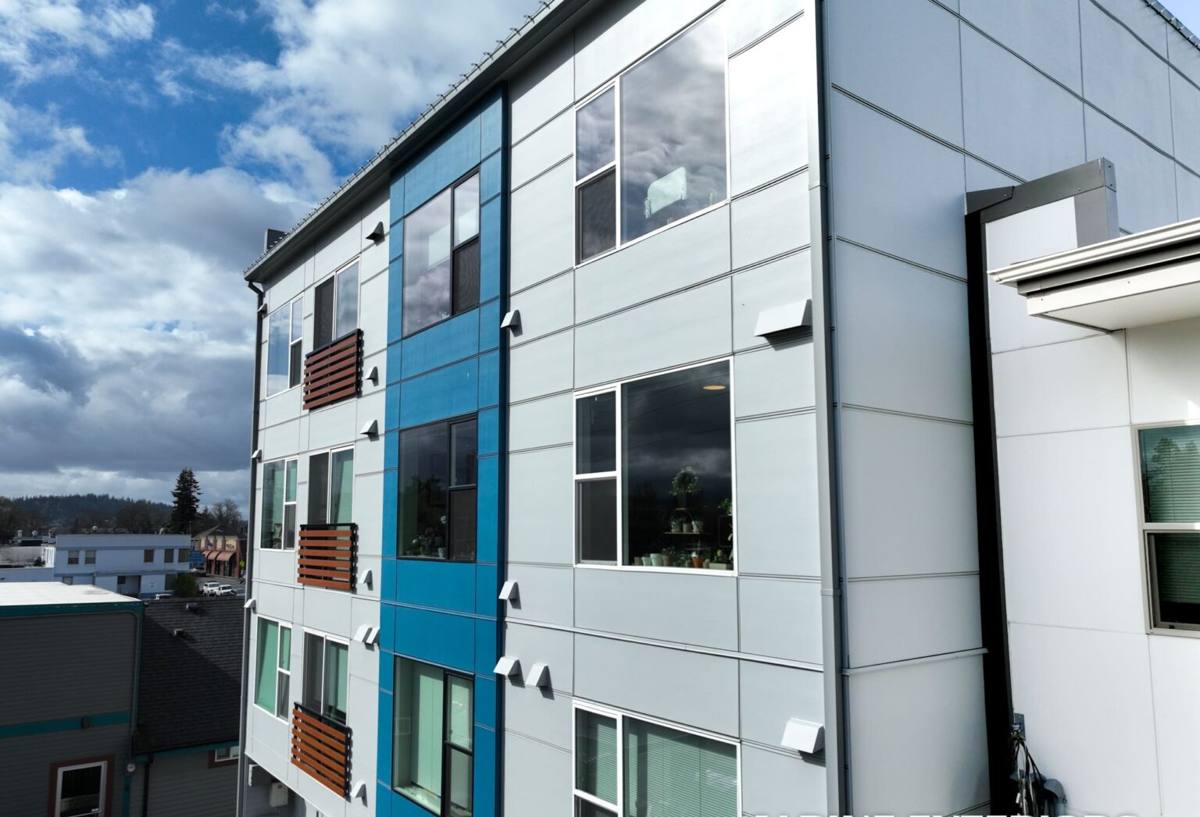
What the Local Climate Does to Windows Over Time
Whatcom County's marine-influenced climate is the main variable in how long a window installation lasts. It's not one dramatic storm that causes problems — it's years of small exposure adding up.
Rain That Doesn't Let Up
Wind-driven rain finds any gap in flashing or sealant and works it wider over time. In Sumas, as in the rest of Whatcom County, that means the water management details around a window — not just the window itself — determine whether a wall stays dry.
Moss, Algae, and Constant Moisture
A long moss season means organic growth doesn't just show up on roofs and siding — it collects on window sills, tracks, and exterior trim if drainage paths aren't kept clear. Moisture sitting against wood trim or improperly sealed frames accelerates rot from the outside in.
Salt-Laden, Damp Air
The damp, salt-tinged air that moves through this part of Whatcom County is harder on exposed fasteners, hardware, and unprotected wood than a drier inland climate would be. Corrosion-resistant fasteners and properly finished trim aren't optional upgrades here — they're baseline requirements for a job that's supposed to last.
What a Correct Window Installation Actually Involves
Window installation looks simple from the outside — old unit out, new unit in — but the parts that determine whether it holds up are mostly invisible once the trim goes back on.
Flashing and Water Management
Every window needs a drainage path built around it so that any water reaching the rough opening gets directed back out, not into the wall cavity. That means correctly lapped flashing tape, a sloped sill pan, and house wrap integrated in the right order — over the top flange, under the sides and bottom. Skip or misorder any of these layers and you've built a pocket that holds water instead of shedding it.
Insulation and Air Sealing
The gap between the window frame and the rough opening needs to be filled with a compressible, non-expanding insulation — not packed so tight it bows the frame, not left open enough to draft. Over-filling with the wrong foam is a common mistake that actually causes windows to operate poorly or seal unevenly.
Fastening and Structural Fit
The window has to be shimmed level, plumb, and square before it's fastened, and it has to be fastened through the frame into solid framing — not just into sheathing. A window that's slightly out of square will bind, won't lock properly, and puts uneven stress on the seals, shortening their life.
Choosing the Right Window for a Sumas Home
Material choice matters more here than in a dry climate, because moisture exposure is constant and UV/heat cycling is less extreme than in the Southwest but still present. Here's how the common options compare for this specific climate.
| Material | Moisture Behavior | Maintenance | Typical Lifespan Here |
|---|---|---|---|
| Vinyl | Won't rot; seams and welds need to be well-made to stay watertight | Low — occasional cleaning | 20-30 years |
| Fiberglass | Dimensionally stable in wet/dry cycling; strong moisture resistance | Low | 30-40 years |
| Wood, unclad | Absorbs moisture; needs an intact paint/finish seal to resist rot | High — repainting/resealing on a schedule | Varies widely with upkeep |
| Wood-clad (aluminum or vinyl exterior) | Exterior face resists moisture; interior wood still needs some care | Moderate | 25-35 years |
We generally steer homeowners in this climate toward vinyl or fiberglass for most rooms, not because wood windows are a bad product, but because an unclad wood exterior in a climate with this much sustained moisture and moss pressure demands a maintenance schedule most owners don't keep up with. That's a maintenance-burden and moisture-exposure trade-off we're upfront about, not a knock on any manufacturer.
Full-Frame vs. Insert Replacement
Not every window replacement is the same scope of work, and the right approach depends on the condition of what's already there.
- Insert (pocket) replacement: The new window goes into the existing frame. Faster and less invasive, but only appropriate when the existing frame is still solid and square.
- Full-frame replacement: The old frame comes out down to the rough opening, exposing the flashing and sheathing for inspection and repair. Necessary when there's any sign of water damage, rot, or an out-of-square opening.
In our experience with older Sumas homes, hidden rot around a window opening is common enough that we always recommend a visual inspection of the opening before committing to an insert replacement. Covering up a compromised frame with a new insert window just delays the problem and hides it behind new trim.
Our Process, Start to Finish
- On-site assessment: We look at each window opening individually — not every window in a house is in the same condition, and treating them all the same is how problems get missed.
- Scope and product recommendation: We tell you whether each opening needs insert or full-frame work, and recommend materials based on that window's exposure (a window under an overhang wears differently than one facing open weather).
- Written estimate: Clear line items, no surprise add-ons discovered after the fact unless we find something during removal that genuinely wasn't visible beforehand — and we'll show you if that happens.
- Removal and opening inspection: Old units come out carefully so we can inspect sheathing and framing before anything new goes in.
- Flashing, sill pan, and air-sealing detail work: This is the step that determines long-term performance, and it's the one that's easiest to rush. We don't rush it.
- Window installation, leveling, and fastening: Set, shimmed, squared, fastened into solid framing.
- Interior and exterior trim, final seal: Finish work matched to the surrounding siding and trim.
- Walkthrough: We operate every window with you before we consider the job done — locks, sashes, screens, and weatherstripping all checked.
Signs Your Current Windows Are Already Failing
Most homeowners don't think about their windows until something is visibly wrong, but the earlier signs are usually there first.
- Condensation or fogging between the panes of a double- or triple-pane window (a sign the seal has failed)
- Visible moss, algae, or dark staining on the sill or exterior trim
- Soft or spongy wood trim around the frame when pressed
- A noticeable draft near the frame on a windy day
- Windows that are difficult to open, close, or lock — often a sign the frame has shifted
- Paint or finish that's peeling or bubbling specifically around the window opening, not the wall generally
Any one of these on its own isn't necessarily an emergency, but they're worth having looked at before the next wet season, since deferred water intrusion problems compound.
What Affects Window Installation Cost in Sumas
We don't publish blanket per-window pricing because the honest answer is "it depends," but these are the real variables that move the number.
| Factor | Why It Matters |
|---|---|
| Insert vs. full-frame scope | Full-frame work involves more labor and often exposes repairs that need to be addressed before the new window goes in |
| Window size and count | Larger openings and whole-house jobs have different labor and material efficiencies than single-window replacements |
| Material selected | Vinyl, fiberglass, and wood-clad options carry different material costs |
| Hidden rot or framing repair | Only discovered once the old window is out; adds labor and material if needed |
| Access and site conditions | Second-story windows, tight side yards, or landscaping in the way affect labor time |
We'd rather walk a homeowner through these variables in person and give a number based on the actual openings than throw out a broad range that doesn't hold up once we're on site.
Why a Lynden-Based Crew Working Sumas Matters
Sumas doesn't have the density of contractors that a bigger market does, and that means homeowners here sometimes end up with crews that don't have much repeat experience in this specific climate. Being based nearby in Lynden means we're not learning Whatcom County's weather behavior on your house — we've already seen how moss, rain, and damp air treat window installations in this exact area, and we build the job around that from the start rather than applying a one-size-fits-all approach from a warmer or drier region.
It also means we're a short drive away if a warranty question comes up after the job is done, not a crew that worked in the area once and moved on.
Keeping New Windows Performing After Installation
A correctly installed window still benefits from basic upkeep in this climate. Clear debris and moss from sills and tracks a couple of times a year, check that exterior caulking at the trim joints stays intact, and make sure gutters and downspouts near windows are directing water away rather than letting it sheet down the wall face. None of this is difficult, but skipping it in a climate this wet shortens the life of even a well-installed window.
If you're dealing with drafty, foggy, or hard-to-operate windows in Sumas, or you're planning ahead for a full-home replacement, we're happy to come take a look. Fill out the form below for a free, no-pressure estimate.