 Lynden Siding
 Why Siding Fails Faster in Maple Falls
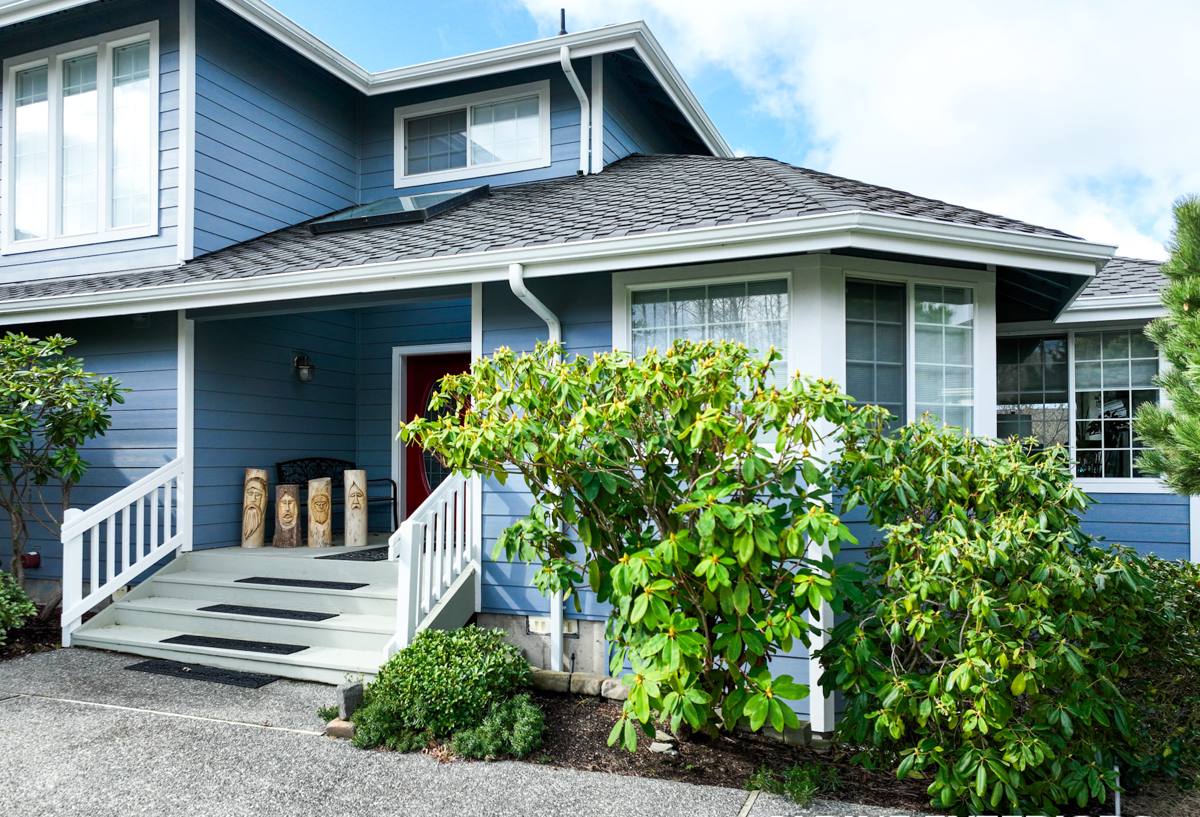
Maple Falls sits up in the foothills east of Lynden, where the character of a home's exterior problems looks different than it does down in town. Most properties out here are wrapped in conifer canopy, which means long stretches of shade, slow-drying wood and siding surfaces, and near-constant moisture contact through the fall, winter, and spring. Add in the driving rain that blows through Whatcom County storms and a moss season that can run six months or longer in shaded, north-facing areas, and you have an exterior environment that punishes anything less than a properly installed, moisture-tolerant siding system.
Whatcom County as a whole also sits close enough to Puget Sound and the Strait of Georgia that salt-laden air is part of the regional weathering picture, especially on older paint and caulk lines. Out in Maple Falls that effect is secondary to the bigger issue — tree cover and standing moisture — but it still contributes to the slow breakdown of caulking, fasteners, and factory finishes over the decades. The combination is why we see siding fail here on a different timeline, and in different ways, than siding on an open, sun-exposed lot closer to town.
What Moisture and Moss Actually Do to Siding
Moss itself doesn't eat siding, but it holds water against the surface far longer than open air would, and that constant dampness is what causes real damage underneath. On wood-based siding products, trapped moisture leads to swelling, delamination at the edges, and eventually soft, punky sections that no longer hold paint or fasteners. On vinyl, moss and algae growth is mostly cosmetic, but the panels still trap moisture behind them at seams and J-channels, which can rot the wall sheathing nobody sees until a remodel or a repair opens it up.
The other quiet problem in a shaded, moist environment is UV-cure failure of caulking and sealants. Caulk that never fully dries out cracks and pulls away years before it would in a drier location, opening gaps at trim and butt joints exactly where water wants to get behind the cladding. By the time moss is visibly established on a wall, there's a good chance moisture has already been working on the assembly behind it for a season or two.
Signs a Maple Falls Home Needs Siding Replacement, Not Just a Wash
A lot of homeowners call about "moss cleaning" and end up needing a replacement conversation instead, because the moss was masking something more serious. Worth checking for before deciding which one you actually need:
- Soft or spongy spots when you press on the siding, especially near the bottom courses and around window and door trim
- Paint that's bubbling, peeling, or won't hold no matter how many times it's redone
- Visible gaps, warping, or cupping in individual boards or panels
- Dark staining or a musty smell along interior walls that back up to exterior siding
- Persistent moss or algae regrowth within weeks of a wash, especially on north- and east-facing walls under tree canopy
- Siding that's original to a home built more than 20-25 years ago, particularly older wood or early composite products
If it's just surface growth on sound material, a wash and a better maintenance schedule may be enough for now. If you're finding soft wood, chronic paint failure, or moisture signs on the interior, that's a replacement conversation, not a cleaning one.
What a Correct Siding Replacement Job Involves
Siding replacement isn't just swapping old boards for new ones. In a moisture-heavy, shaded environment like Maple Falls, the parts you don't see matter more than the parts you do. A correct job includes:
Full Tear-Off and Inspection
Old siding comes off completely so the crew can inspect the sheathing and framing underneath for rot, especially at the bottom plate, around window openings, and anywhere moss has been sitting against the wall for years. Any compromised sheathing gets replaced before anything new goes back up — covering damaged wood with new siding just resets the clock on the same failure.
Water-Resistive Barrier and Flashing
A new weather-resistive barrier goes on correctly lapped, with proper flashing at every window, door, and penetration. This is the layer that actually keeps water out of the wall assembly, and it matters more in a high-moisture, shaded property than almost anything else in the job.
Rainscreen or Drainage Gap Where Appropriate
On homes with heavy shade and limited drying time, a drainage gap behind the siding gives any moisture that does get past the cladding a path to escape instead of sitting against the wall. This is one of the details that separates a durable install from one that looks fine for a few years and then doesn't.
Manufacturer-Spec Fastening and Clearances
Correct nailing patterns, proper clearance from grade, decks, and roof lines, and factory-specified joint treatment all affect how the siding performs over time — not just how it looks the day it's installed.
Why We Only Install James Hardie Fiber Cement
We don't install LP SmartSide, vinyl, Cemplank, Allura, primed spruce, or cedar, and in a place like Maple Falls that decision isn't abstract — it comes down to how each of those products behaves under long-term shade and moisture. Wood-based products, including engineered wood, rely on an intact factory seal and diligent maintenance to keep moisture out at cut edges and joints; in a shaded, slow-drying environment, any lapse in that maintenance shows up faster as swelling or soft spots. Vinyl sheds water fine on the face, but it flexes with temperature swings, its seams are a known path for moisture behind the wall, and it doesn't offer the fire performance some Whatcom County properties near timber and brush want in an exterior material.
James Hardie fiber cement is non-combustible, doesn't absorb and swell with moisture the way wood-based products can, and holds its factory ColorPlus finish through years of shade, damp, and moss exposure without the repaint cycle wood siding demands. Hardie's HZ5 product line in particular is engineered for wetter, harsher climates, which matches the Pacific Northwest reality better than a general-purpose siding built for a national market. It's a harder material to install correctly — it takes the right blades, fasteners, and joint details — which is exactly why we standardized on one product and got genuinely good at installing it, rather than offering five options and being mediocre at all of them.
Our Siding Replacement Process
- On-site assessment — we walk the exterior, check for soft sheathing and moisture entry points, and look at how tree cover and drainage affect each elevation of the home
- Written scope and estimate — what's being removed, what sheathing repair is anticipated versus discovered, and which Hardie product and profile fits the home
- Tear-off and sheathing repair — old material removed, framing and sheathing inspected and repaired as needed before anything new is installed
- Weather barrier, flashing, and drainage details — the part of the job that determines whether the siding lasts 10 years or 40
- Hardie installation to manufacturer spec — correct fastening, clearances, and joint treatment
- Final walkthrough — we go over the finished work and what maintenance, if any, to expect
Cost Factors for Siding Replacement in Maple Falls
Every home is different, and we won't quote a number without seeing the property, but these are the main variables that move a project's cost up or down:
| Factor | Why It Matters |
|---|---|
| Sheathing condition underneath | Hidden rot from years of moss and moisture contact adds repair scope once old siding is off |
| Home size and wall complexity | More corners, dormers, and trim details mean more labor and cut waste |
| Access and site conditions | Steep lots, long driveways, and tree-crowded properties common in Maple Falls can affect staging and equipment access |
| Siding profile and finish | Lap width, texture, and color selection within the Hardie lineup affect material cost |
| Trim and accessory scope | Fascia, trim boards, and soffit work done alongside siding is more efficient than doing it later as a separate project |
Hiring a Crew That Already Works Maple Falls
A crew that's used to working closer to town, on open lots with easy truck access and full sun, isn't automatically prepared for a Maple Falls property with a long gravel driveway, heavy tree cover, and a wall assembly that's been holding moisture for years. Knowing the area means knowing to expect hidden sheathing damage before the estimate turns into a surprise change order, planning around limited drying time between rain events, and understanding which elevations of a shaded home need extra attention to drainage detailing.
It also means being upfront about what a moss-covered wall usually means before the tear-off starts, rather than promising a clean, fast job and then discovering the real scope once the siding is already off. A local crew that has done this work up in the foothills, not just down in the flats, will scope the job more accurately from the first visit.
What to Expect After Replacement
James Hardie siding installed correctly, with proper flashing and drainage, needs far less from you than wood siding did — no repainting cycle, no annual caulk chasing. That said, a shaded Maple Falls property will still grow moss and algae on the surface faster than an open, sunny lot, and an occasional gentle wash (never a high-pressure blast aimed at seams) keeps it looking sharp and lets you keep an eye on trim and caulk lines. Trimming back overhanging branches where practical also helps airflow and cuts down how much debris and moisture sits against the walls.
Before you commit to any siding project, a checklist worth going through with whoever you're talking to:
- Will they inspect and quote sheathing repair as a real possibility, not an afterthought?
- Do they specify the weather-resistive barrier and flashing details in writing, not just "we'll do it right"?
- Is a drainage gap or rainscreen approach discussed for shaded, moisture-heavy walls?
- Which specific Hardie product line and profile are they recommending, and why for this home?
- What's included for trim, fascia, and soffit work alongside the siding?
- Do they carry proper licensing and insurance for work in Whatcom County?
If you're seeing moss that won't quit, paint that won't hold, or soft spots on your Maple Falls home's siding, we're happy to come take a look. The estimate is free, there's no pressure, and you'll get a straight answer about whether you need a wash, a repair, or a full replacement.