 Lynden Siding
 Why Maple Falls Siding Takes a Different Kind of Beating
Maple Falls sits up in the wooded foothill country along the Mt. Baker corridor, and that setting cuts two ways for siding. On one hand, the tree cover offers some wind protection. On the other, it keeps siding shaded and damp for long stretches at a time, which is exactly what moss, algae, and mildew need to take hold. Add in the driving, sideways rain that comes through Whatcom County off the marine air moving inland from Puget Sound and the Strait, and you get siding that stays wet longer than it would in a drier, more open part of the state.
None of that is unique to one house. It's a regional pattern, and it's why siding problems in this area tend to follow the same script: moisture finds a weak seam or a failed caulk joint, it doesn't dry out quickly because the site is shaded, and by the time a homeowner notices discoloration or softness, there's often already damage behind the surface. Repair work here has to account for that cycle, not just patch what's visible.
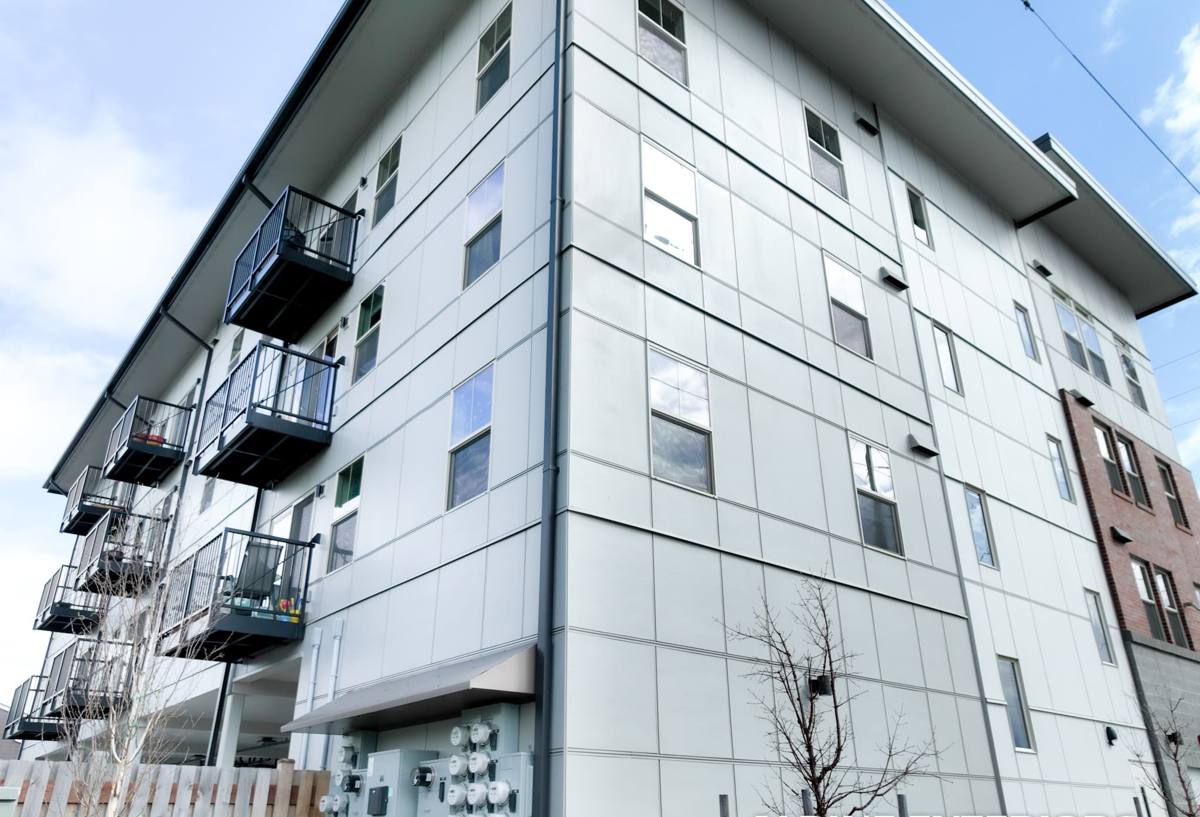
Repair or Replace? Reading the Signs Correctly
Not every damaged section needs full replacement, and not every "small" repair is actually small once you open the wall up. The honest answer depends on how far moisture has traveled and what's underneath. A few minutes of inspection usually tells the story, but only if someone knows what they're looking at.
- Soft or spongy spots when you press on the siding — usually means moisture has already reached the substrate
- Peeling or bubbling paint in one recurring spot — often points to a leak behind that exact panel, not a paint problem
- Persistent moss or dark staining that comes back within a season of cleaning — a sign the area doesn't dry out and is a candidate for ongoing damage
- Visible gaps at seams, corners, or trim joints — entry points for wind-driven rain
- Warping, cupping, or swelling, especially on wood-based or engineered wood products
- Nail pops or panels that have pulled away slightly from the wall
- Insect activity or soft wood trim near the ground line
If you're seeing one or two of these in an isolated spot, a targeted repair is often the right call. If the same symptoms show up in multiple places, especially on the north or shaded sides of the house, that's usually a sign of a systemic moisture problem rather than a one-off failure, and it deserves a broader look before anyone starts patching.
What a Correct Siding Repair Actually Involves
Finding — and Fixing — the Real Cause
Cutting out a damaged panel and nailing up a new one over the same unresolved leak is the most common shortcut in this trade, and it's why the same spot so often fails again within a year or two. A repair that's actually going to hold starts with figuring out how water got in: a missing kick-out flashing above a roofline, caulk that's failed at a window or door, a seam that was never properly lapped, or house wrap that's torn or improperly overlapped behind the siding. In Maple Falls' wet season, any one of those gaps stays wet far longer than it would in a drier climate, so skipping this step just guarantees a repeat visit.
Matching Materials Without Making Things Worse
Once the cause is addressed, the patch itself has to be handled carefully. Butting a new piece of siding against old, weathered material without the right flashing and lap sequence just creates a new place for water to collect. Trim, caulk joints, and paint or factory finish all have to be brought back to a standard that sheds water the way the original assembly was designed to — not just filled in to look presentable from the ground.
Comparing What's Actually on Maple Falls Homes
Homes in this area were sided with a mix of products over the decades, and what you're repairing changes both the approach and the long-term outlook.
| Existing Siding | How It Handles This Climate | Repair Consideration |
|---|---|---|
| Cedar | Handsome but needs regular refinishing; absorbs moisture and stays damp under moss/debris | Repairs often reveal rot beyond the visible damage; matching weathered cedar is difficult |
| Vinyl | Sheds water on the surface but seams and J-channels can trap moisture behind the panel | Cracks in cold snaps; discontinued colors make matching old panels hard |
| LP SmartSide / engineered wood | Vulnerable at cut edges and seams if factory sealant fails | Swelling at damaged spots is common; repairs need careful edge sealing to prevent recurrence |
| Older hardboard | Prone to delamination once moisture gets behind it, especially in shaded, damp spots | Often past the point of a clean patch; sections may need full section replacement |
| James Hardie fiber cement | Non-combustible and dimensionally stable; doesn't swell or rot from moisture exposure | Repairs are typically limited to impact damage or installation errors, not material failure |
This is part of why, when a repair scope on an older product turns into "half the wall needs new material," we walk homeowners through whether patching is still the right long-term move or whether that section — or the house — is a better candidate for replacement.
Our Repair Process, Start to Finish
- On-site inspection of the damaged area and the surrounding siding, not just the spot that was reported
- Checking for moisture intrusion behind the surface — pulling a panel or probing where needed, rather than guessing from the outside
- A written scope that separates "must-fix" causes (flashing, sealant, water path) from cosmetic repair
- Sourcing matching material where a true match exists, or discussing options honestly when it doesn't
- Correcting the underlying water management before any new siding goes up
- Installing the repair to the same lap, fastening, and sealing standards as new construction
- A final walk-through so you know exactly what was done and why
We don't bid a repair without seeing it in person first. Photos over the phone miss too much, especially with hidden moisture damage, and Maple Falls' wooded, often hard-to-access lots make an accurate remote estimate close to impossible anyway.
Why We Only Install James Hardie — Even for Repair Work
We install James Hardie fiber cement exclusively for new siding and full re-sides — we don't carry LP SmartSide, vinyl, Cemplank, Allura, primed spruce, or cedar as installation options. That standard exists because of exactly the failure patterns described above: engineered wood and hardboard products are sensitive to cut-edge and seam exposure, cedar demands ongoing upkeep to keep moisture out, and vinyl can crack and fade in ways that are hard to patch invisibly. Hardie's fiber cement doesn't swell, rot, or feed the kind of moss and mildew growth that thrives in Maple Falls' shaded, wet conditions, and its factory-applied ColorPlus finish holds color without the repaint cycle other sidings need.
That means when a repair on an existing non-Hardie wall turns into a larger discussion, our honest recommendation is Hardie for the replaced section or the full elevation — not because it's the only thing we sell, but because it's the product least likely to put you back in this position in a few years. If the existing damage is isolated and a clean, honest repair solves it, we'll say so and do that instead.
Working With a Crew That Already Knows Maple Falls
A crew based out of Lynden and working regularly throughout Whatcom County sees the same climate patterns on repeat: which sides of a house fail first, how long moss takes to come back after cleaning, and how the rainy season timeline affects when a repair needs to happen versus when it can wait. That familiarity matters more than it sounds — it's the difference between a contractor who treats every job as a one-off and one who already knows that a repair started in October needs to be weathertight before the wet season really sets in, or that a shaded, tree-lined lot is going to need extra attention to drainage and airflow regardless of what siding is on the wall.
It also means we're not learning the area's permit and inspection expectations on your project. Rural Whatcom County properties, longer driveways, and septic or well setbacks can all factor into scheduling and access, and a crew that already works this area plans around that instead of being surprised by it.
Keeping Repaired Siding Ahead of the Next Wet Season
A good repair buys you time, but a few habits stretch that time much further in a climate like this one.
- Keep gutters clear so water isn't overflowing directly onto siding below
- Trim back branches and vegetation that keep a wall shaded and damp longer than the rest of the house
- Rinse moss and algae off before it establishes rather than after it's visibly thick
- Check caulk at trim, windows, and seams once a year — it's cheap insurance against another repair
- Walk the perimeter after the first hard storm of the season and look for anything that shifted
None of this requires a professional visit every time, but a quick annual check catches small problems while they're still small — which, in this climate, is usually the difference between a repair and a replacement.
If you're dealing with damaged, discolored, or failing siding on a home in Maple Falls, we're glad to take a look and give you a straight, no-pressure assessment of what's actually going on and what it will take to fix it right. Use the form below to request a free estimate.