 Lynden Siding
 Siding Installation in Sumas: Built for Whatcom County's North County Climate
Sumas sits in the far northeast corner of Whatcom County, close enough to the Nooksack River lowlands and the Canadian border that its weather behaves a little differently than homes closer to the coast. Even so, the same weather systems that soak Lynden and the rest of Whatcom County move through Sumas too: long stretches of driving rain from fall through spring, marine air pushing in off the Strait of Georgia and Puget Sound on any given week, and a moss season that can run eight months out of twelve on north-facing walls and shaded lots. Siding installed here has to handle constant moisture cycling, not just an occasional storm.
That's the frame we use for every siding installation quote in this area. It's not just "put new siding on the house" — it's picking a material and installation method that will still be doing its job in year twenty, not just year two.
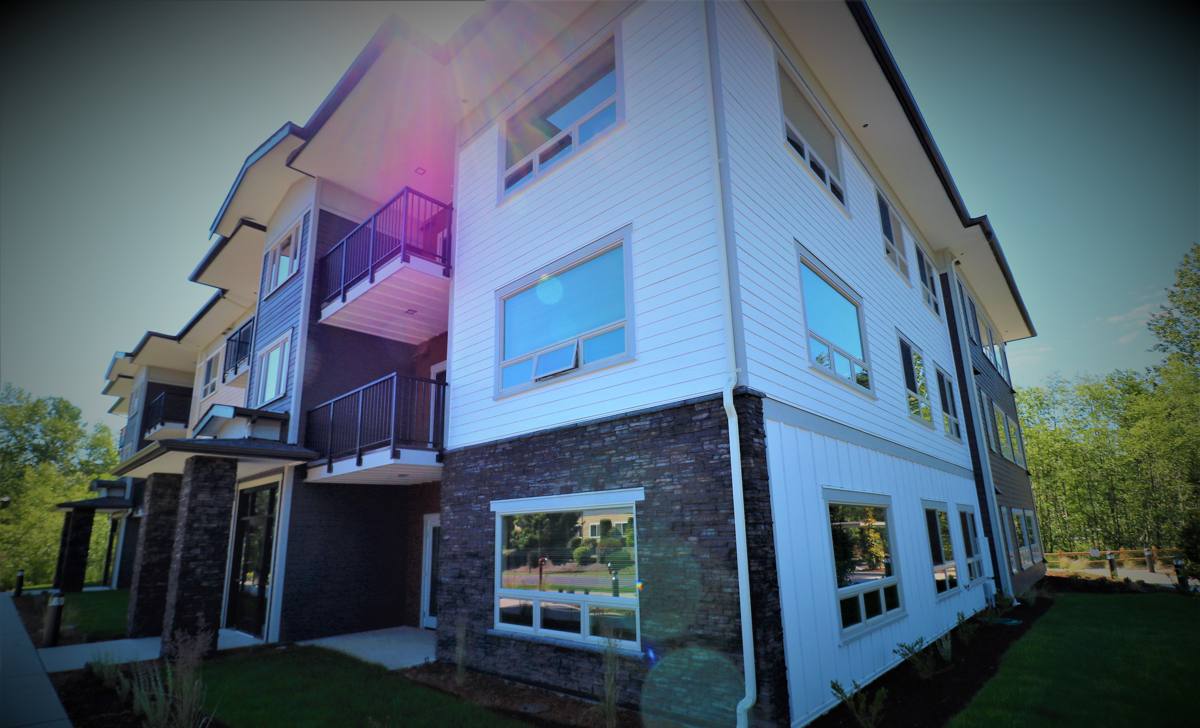
What Sumas-Area Homes Are Up Against
A few climate realities shape how we approach every job in this part of the county:
- Driving rain, not just vertical rain. Wind-driven storms push water sideways into wall assemblies, especially around windows, corners, and low-hanging eaves. Siding and flashing have to work together, not just sit next to each other.
- Extended moss and mildew season. Shaded, tree-lined lots common around Sumas and the surrounding rural county hold moisture longer than open lots. Anything that absorbs water or provides a food source for organic growth gets a head start on failure here.
- Marine air moving inland. Even away from the immediate coastline, Whatcom County's weather patterns regularly carry humid marine air well inland, which keeps exterior surfaces damp longer after a storm passes than homeowners often expect.
- Temperature swings across seasons. Materials that expand and contract with humidity and temperature put ongoing stress on seams, caulk joints, and fasteners.
None of this is unique to Sumas — it's Whatcom County weather in general — but it's worth saying plainly because it directly drives the material and installation decisions below.
Why a Rushed Installation Doesn't Hold Up Here
Siding failure almost never starts with the siding panel itself. It starts at the seams: a missed flashing detail above a window, a butt joint that wasn't sealed correctly, a fastener driven too tight or too loose, or a bottom edge sitting too close to grade. In a dry climate those mistakes might take a decade to show up. In a climate with this much sustained moisture and this long a moss season, they show up in a few years — as staining, soft spots, or paint failure.
That's why we treat installation as the majority of the job, not an afterthought to the material choice. A premium siding product installed with shortcuts will underperform a good product installed correctly, every time.
What a Correct Siding Installation Actually Includes
Homeowners rarely see most of what makes an installation good or bad, because it's covered up by the finished wall. Here's what should be happening underneath, regardless of which contractor does the work:
Water management first
A drainage plane behind the siding — house wrap or building paper installed shingle-style so water sheds down and out, not into the wall — is the foundation of the whole system. Furring strips or a rainscreen gap are increasingly used in wetter regions like ours to let any moisture that does get behind the cladding dry out instead of sitting against the sheathing.
Flashing at every transition
Windows, doors, deck ledgers, roof-to-wall intersections, and any penetration through the siding need proper flashing integrated with the water-resistive barrier — not just caulk. Caulk is a backup, not a strategy.
Correct clearances
Siding needs a minimum gap above roof lines, decks, patios, and grade so it isn't sitting in standing water or snow. This is one of the most commonly skipped details on rushed jobs, and it's one of the most common causes of rot we see on older siding replacements.
Manufacturer-specified fastening
Fiber cement siding has specific nailing patterns, fastener types, and butt-joint treatment requirements. Installing it like vinyl or wood — different nail spacing, no joint flashing, face-nailing where blind-nailing is specified — voids warranty coverage and shortens the product's real-world life.
Factory-finished color, not field-painted
Whenever possible, factory-applied finishes hold up better than field-applied paint over fiber cement, because the coating is baked on under controlled conditions rather than brushed or sprayed on-site in variable weather.
Why We Only Install James Hardie Fiber Cement
We made a decision as a company to install one product line: James Hardie fiber cement siding. We don't install vinyl, LP SmartSide, primed wood, cedar, or other fiber cement brands, and we think that's worth explaining rather than just stating.
Fiber cement is non-combustible, dimensionally stable, and doesn't feed moss and mildew the way wood-based products can. James Hardie specifically engineers regional product lines — their HZ5 line, for example, is built for the wetter, harsher climate zones the Pacific Northwest falls into — and backs the ColorPlus factory finish with a longer, stronger warranty than most field-painted alternatives. For a climate with Whatcom County's rain totals and moss pressure, that combination matters more than it does in a milder region.
We're not saying every other product is inadequate everywhere. We're saying that after years of installing and repairing siding in this specific climate, this is the system we're willing to put our name behind — and we'd rather turn down a job that wants a different product than install something we don't believe will hold up on a home near Sumas for the next thirty years.
Our Installation Process, Start to Finish
- On-site assessment. We look at the existing wall assembly, moisture history, trim condition, and any problem areas — north-facing walls, low clearances, shaded sections — before quoting anything.
- Tear-off and sheathing check. Old siding comes off and we inspect the sheathing underneath for rot or soft spots before anything new goes up. This step catches problems a surface-level look never would.
- Water-resistive barrier and flashing. House wrap, window and door flashing, and any rainscreen detailing get installed before a single piece of siding goes on.
- James Hardie installation to spec. Panels, lap siding, or trim are installed following manufacturer fastening schedules, clearances, and joint treatment — not shortcuts adapted from other siding types.
- Trim, caulking, and touch-up. Factory-finish touch-up paint is used at cut ends and fastener heads to match the ColorPlus finish and protect exposed cut edges.
- Final walk-through. We go over the finished job with the homeowner, including what warranty coverage applies and what basic maintenance looks like going forward.
Cost Factors for Siding Installation in Sumas
Every home is different, so we don't publish flat per-square-foot pricing, but these are the variables that most affect a quote in this area:
| Factor | Why it affects cost |
|---|---|
| Existing siding removal | Tear-off, disposal, and sheathing repair add labor before new material goes up |
| Sheathing or framing repair | Moisture damage found underneath old siding has to be fixed before re-siding |
| Home shape and trim detail | More corners, dormers, and window trim mean more cutting, flashing, and labor time |
| Siding profile chosen | Lap siding, panel siding, and shingle-style profiles differ in material and install time |
| Access and site conditions | Tree cover, slope, and staging space affect scaffolding and crew efficiency |
| Color and trim package | ColorPlus finish options and trim upgrades shift material cost |
Signs Your Current Siding Needs Attention
If you're in the Sumas or greater Lynden area and any of these apply, it's worth a professional look before it becomes a bigger repair:
- Persistent moss or dark streaking that returns within a season of cleaning
- Soft or spongy spots when pressed, especially near the bottom edge or around windows
- Peeling, bubbling, or chalky paint that keeps failing in the same spots
- Visible gaps at seams, trim, or window flashing
- Warping, buckling, or panels that look wavy from a distance
- Rising utility bills that suggest the wall assembly isn't insulating or sealing the way it should
Why Hiring a Crew That Already Works in Sumas Matters
Siding installation isn't one-size-fits-all across a county. A crew that mostly works in drier or more sheltered parts of the region can miss the specific problem spots that show up on Whatcom County's north-county lots — the extended moss season, the shaded rural properties, the way driving rain hits certain exposures. A contractor who already services this area has seen which details fail first here and builds the extra margin into flashing, clearances, and product choice from the start, instead of learning it on your house.
It also matters for response time and accountability. A local crew that's still doing warranty work and touch-ups in the same towns years later has a direct incentive to install it right the first time.
Maintenance After Installation
James Hardie fiber cement with a ColorPlus finish is low-maintenance compared to painted wood siding, but "low-maintenance" isn't "no-maintenance" in this climate. A yearly rinse to knock down moss and organic buildup, a periodic look at caulk joints around windows and trim, and prompt attention to any gutter or downspout issues that could dump extra water onto a wall section will keep a correctly installed system performing for decades.
If you're weighing a siding replacement or repair for a home in the Sumas or Lynden area, we're happy to take a look and walk you through what we're seeing and what it would take to do it right. There's no pressure and no obligation — just use the form below to request a free estimate.