 Lynden Siding
 Board & Batten Siding Built for Nooksack's Climate
Nooksack sits in a part of Whatcom County that takes real weather. Homes here deal with driving rain off the Sound, damp air that lingers in the valley, and a moss season that can stretch from fall through spring. Board and batten siding — with its strong vertical lines and farmhouse character — is one of the most requested looks in this area, but it's also one of the least forgiving profiles when it's installed with the wrong material or the wrong technique. The vertical seams, the batten strips, and the exposed joints all give water more places to find a way in if the job isn't done right.
This page is specifically about board and batten siding for homes in and around Nooksack. It's not a generic overview — it's what we've learned installing this exact profile in this exact climate, and why we only do it in one material.
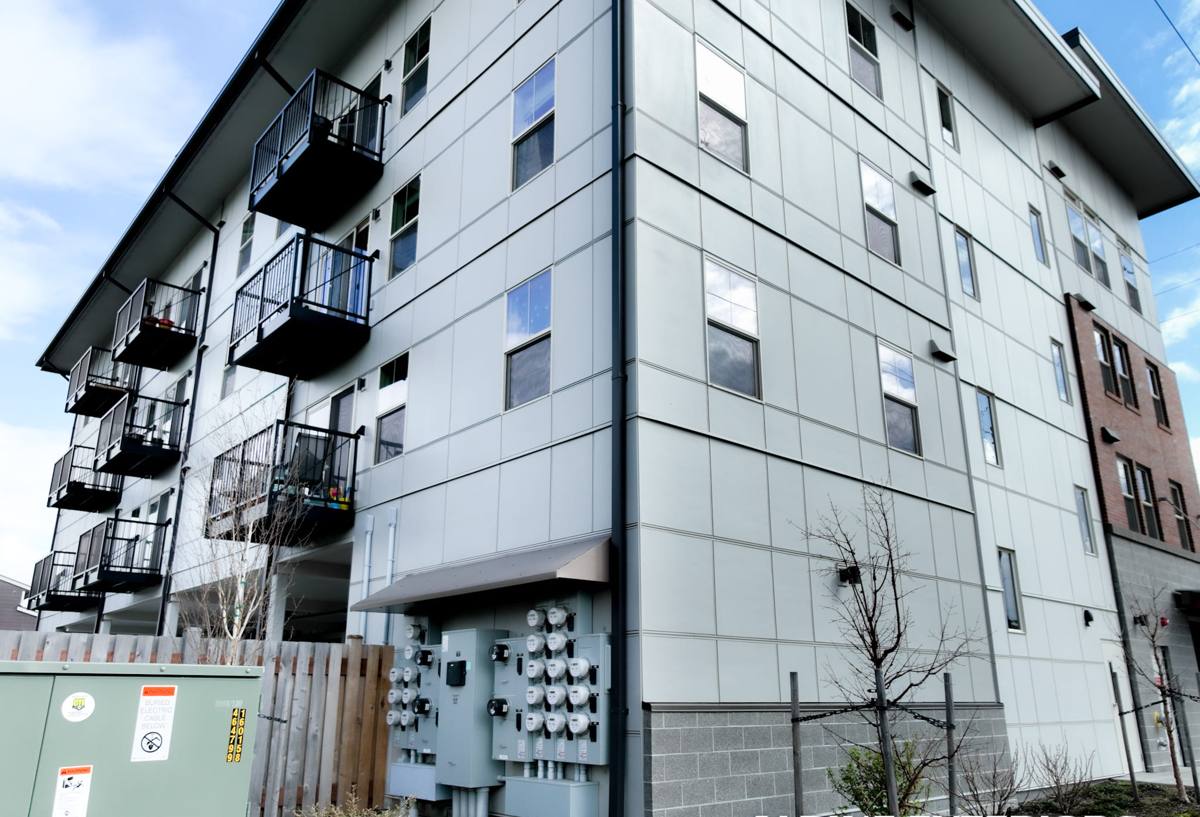
What Nooksack Homes Actually Need From This Siding
Rain That Doesn't Let Up
Whatcom County gets long stretches of steady, low-intensity rain rather than short downpours. That matters for board and batten specifically because the battens create dozens of vertical seams running down the wall. Each one is a spot where water can sit against the substrate if there's no drainage path behind it. A profile that looks identical to another installer's job can behave completely differently once you get behind the surface.
A Long Moss and Mildew Season
The combination of shade, moisture, and mild temperatures in this part of the county keeps organic growth active for much of the year. Siding that stays damp longer — because it's absorbing moisture instead of shedding it — gives moss, algae, and mildew more time to establish, especially on north-facing walls and under eaves.
Salt Air and Airborne Moisture
Homes closer to the water deal with a steady drift of salt-laden air that accelerates corrosion on fasteners and trim, and speeds up the breakdown of coatings that aren't built for it. Even inland, the general moisture load in this region puts extra stress on paint film, caulk joints, and any wood-based product over time.
None of this means board and batten is a bad choice for Nooksack — it's a great fit for the style of homes out here. It just means the material and the installation details matter more here than they would in a dry climate.
What Board and Batten Siding Actually Is
Board and batten is a vertical siding pattern: wide flat boards or panels installed side by side, with narrower strips (the battens) covering the seams between them. It's a look with deep roots in farmhouse and barn architecture, which is part of why it reads so well on the rural and semi-rural properties around Nooksack — working farms, acreage homes, and newer builds that are borrowing that same aesthetic.
The profile can be run as true individual boards and battens, or as a pre-formed panel system that gives the same vertical look with fewer field seams. Either way, the wall is doing more physical work than a standard lap siding wall, because every vertical joint is a potential water path that has to be managed with the right materials and flashing — not just caulk.
Why We Install James Hardie Board and Batten — and Nothing Else
We install James Hardie fiber cement exclusively. We don't install vinyl board and batten, LP SmartSide, Cemplank, Allura, primed spruce, or cedar board and batten, and in a climate like this one, the reasons matter more with a vertical profile than with almost any other siding style.
Cedar and Primed Wood
Real cedar board and batten looks beautiful, but it's an organic material in a region that stays damp for much of the year. Wood battens and boards absorb moisture at the seams, which is exactly where board and batten is most exposed. That absorption cycle — wet, dry, wet again — is what drives cupping, splitting, and the recurring repaint and re-caulk schedule that wood siding demands here.
Vinyl Board and Batten
Vinyl handles moisture fine on its own, but it's a thin, flexible material that isn't rigid enough to hold the crisp, flat shadow lines that make board and batten look right. In driving rain and wind, vinyl panels can also flex at the seams, which is a weak point for a profile that's already seam-heavy.
LP SmartSide, Cemplank, and Allura
LP SmartSide is an engineered wood product — better moisture resistance than raw cedar, but it's still a wood-based substrate, and any breach in the factory coating exposes it to the same absorption issues as other wood products in a wet climate. Cemplank and Allura are fiber cement, like Hardie, and both are legitimate products — but we've standardized on one manufacturer so we can guarantee the installation, the flashing details, and the warranty coverage as one consistent system, rather than mixing specs across brands.
What Hardie Gets Right for This Profile
James Hardie fiber cement is engineered specifically for Pacific Northwest moisture exposure through its HZ5 product line. It doesn't absorb water the way wood does, it won't rot, and the ColorPlus factory finish is baked on under controlled conditions — which holds up better against the region's rain and mildew exposure than a field-applied coat of paint on wood battens. It's also non-combustible, which matters as a long-term property consideration regardless of siding profile.
What Correct Board and Batten Installation Involves
Board and batten fails or succeeds based on details most homeowners never see once the job is done. The visible boards and battens are the last step — everything underneath them is what determines whether the wall stays dry for the next 30 years.
Drainage Behind the Panel
A proper installation includes a rain screen or drainage plane behind the siding, giving any moisture that does get past the surface a path to escape rather than sitting against the wall sheathing.
Fastening Pattern
Hardie board and batten needs to be fastened according to the manufacturer's specified pattern and spacing for the HZ5 zone — not "close enough." Under-fastening or over-driving nails compromises both the water management and the manufacturer's warranty.
Flashing at Every Transition
Windows, doors, corners, and the base of the wall all need proper flashing integrated with the drainage plane — not sealant used as a substitute for flashing. This is where most siding failures actually start, regardless of the material on the surface.
Batten Seams
Every seam where a batten covers a joint has to be backed correctly so it's not relying on caulk alone to keep water out over time.
- Weather-resistant barrier and drainage plane installed before any siding goes up
- Manufacturer-specified fastener type, pattern, and spacing followed exactly
- Flashing integrated at every window, door, and wall penetration
- Proper gaps and sealant at panel and trim joints per Hardie specifications
- Factory-primed or ColorPlus-finished cut edges sealed on site
- Final inspection of every seam, corner, and transition before the crew leaves
Our Process for Nooksack Board and Batten Projects
We keep this straightforward, because the value is in the details getting done right, not in a complicated sales process.
- On-site assessment — we look at your home's exposure (sun, shade, wind direction, proximity to trees or moisture-prone areas) since that affects both material choice and detailing.
- Product and color selection — choosing the right Hardie board and batten panel width and ColorPlus finish for the look you want.
- Prep and removal — removing old siding, checking the sheathing underneath for hidden moisture damage before anything new goes up.
- Installation — drainage plane, flashing, fastening, and panel/batten installation to manufacturer spec.
- Final walkthrough — checking every seam and transition with you before we consider the job finished.
Cost Factors for Board and Batten Siding
Board and batten typically costs more per square foot to install than standard lap siding, mainly due to labor — more seams and more trim work. Rough factors that move the price on a given Nooksack home:
| Factor | Why It Matters |
|---|---|
| Wall complexity | More corners, dormers, and roof lines mean more cuts, seams, and flashing details |
| Substrate condition | Hidden moisture damage under old siding adds repair work before install can start |
| Panel width and reveal | Wider boards and battens with a bold reveal use more trim material |
| Color selection | Factory ColorPlus finishes vary in price by line and finish |
| Access and site conditions | Steep grades, tree cover, or tight lot lines around rural Whatcom properties affect labor time |
We'll always walk you through actual numbers for your home rather than a generic estimate — every property in Nooksack is a little different once you're looking at the walls up close.
Maintenance in a Wet, Moss-Prone Climate
One of the practical advantages of Hardie board and batten in this climate is how little ongoing maintenance it asks for compared to wood. It doesn't need repainting on a recurring cycle the way cedar does, and because it doesn't absorb water, it's less hospitable to the moss and mildew growth that's common on shaded, north-facing walls around Nooksack. A periodic rinse to clear off pollen, dust, and organic buildup is generally all it needs — there's no sanding, no re-staining, and no chasing down soft spots from trapped moisture.
Why Local Experience With This Profile Matters
Board and batten isn't a "set it and forget it" siding style — it's a system, and the installation quality is what determines whether it performs for decades or starts showing problems in a few years. A crew that already works in Nooksack and across Whatcom County understands the exposure patterns specific to this area: which walls take the worst of the driving rain, where moss tends to establish first, and how to detail flashing for a climate that stays damp for months at a time. That local pattern recognition doesn't come from a manufacturer's install manual alone — it comes from doing this work, on homes like yours, in this exact climate, repeatedly.
If you're considering board and batten siding for your Nooksack home, we're happy to take a look and give you a straightforward, no-pressure estimate — just fill out the form below.