 Lynden Siding
 Roofing Built for Maple Falls, Not Just Whatcom County in General
Maple Falls sits up against the foothills east of Lynden, and that location changes what a roof has to deal with compared to a house closer to town or down toward the water. Homes here sit under more tree cover, see more shade for longer stretches of the day, and catch heavier, wetter snow loads in a hard winter. Add in the driving rain that moves through Whatcom County most of the year and the moss season that never really seems to end, and you've got a roof system that's working harder than most homeowners realize.
A new roof installation in this area isn't just about swapping old shingles for new ones. It's about building a roof system — decking, underlayment, ventilation, flashing, and the roofing material itself — that's matched to how water and moisture actually move through a roof in this climate. We install new roofs across Lynden and the surrounding Whatcom County communities, including Maple Falls, and we build every one with that local reality in mind, not a generic install pulled from a manual written for a drier region.
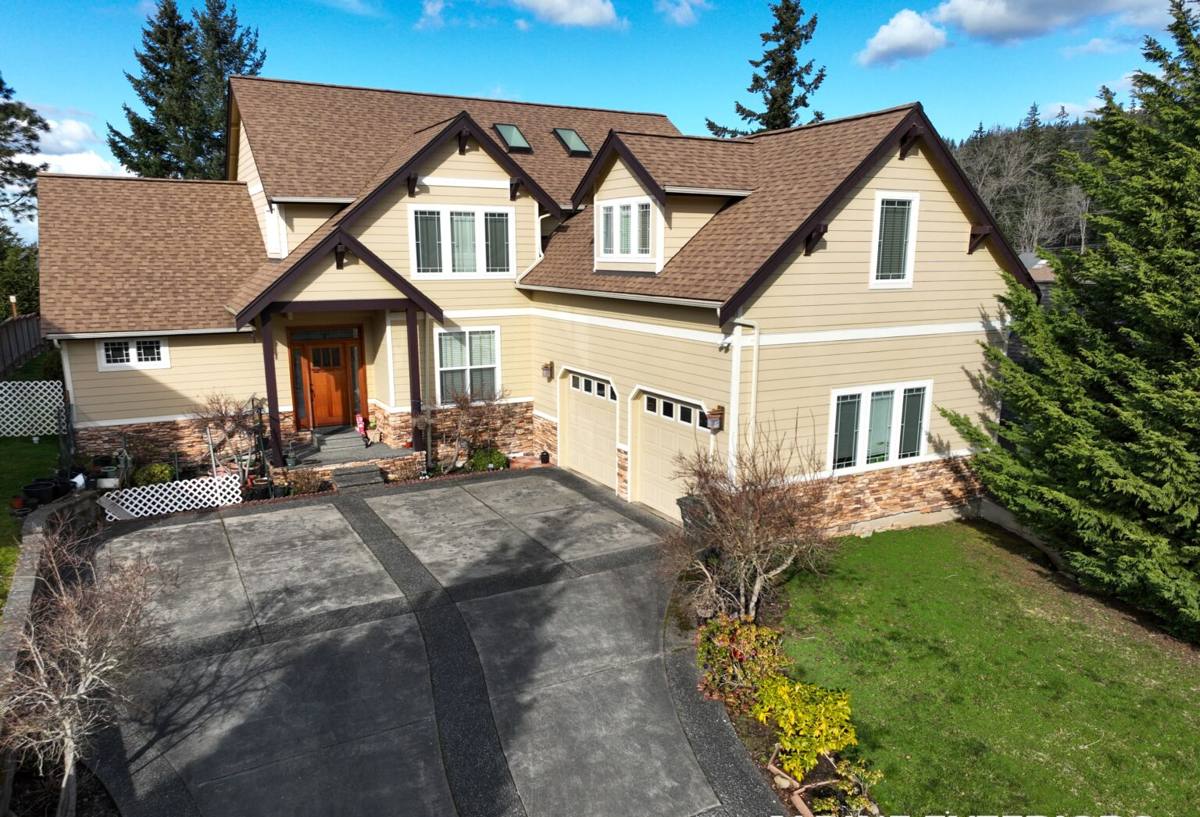
What Maple Falls Homes Need From a New Roof
Moisture Management Comes First
Driving rain doesn't just fall straight down — wind pushes it sideways, up under laps, and into any gap that isn't properly flashed or sealed. In a shaded, tree-heavy area like Maple Falls, roofs also stay damp longer after a storm because sunlight and airflow don't dry them out as quickly as an open, exposed roof would. That combination is exactly what allows moss, algae, and eventually rot to get a foothold. A correctly installed roof accounts for this from the decking up, not just at the surface layer.
Moss Resistance Has to Be Designed In
Moss doesn't just make a roof look neglected — it holds moisture against the roofing material, lifts shingle edges, and works its way into seams over time. You can't fully moss-proof a shaded roof, but you can install a roofing system and edge details that make it far harder for moss to take hold and far easier to keep clean. That's a design decision made at install time, not something you fix after the fact with a bottle of cleaner.
Ventilation Matters More Under Tree Cover
A roof that doesn't breathe traps heat and moisture in the attic space, which speeds up decking rot and shortens the life of the roofing material from underneath — often before any problem is visible from the ground. Homes tucked into wooded lots need attic ventilation that's sized and balanced correctly, not just an intake or exhaust vent added as an afterthought.
What a Correct New Roof Installation Actually Involves
A roof is a system, and every layer has a job. Skipping or shortcutting any one of them is where most premature roof failures start.
- Tear-off and decking inspection: old roofing removed down to the deck, and any soft, rotted, or delaminated sheathing replaced before anything new goes down.
- Ice and water shield at vulnerable areas: eaves, valleys, and roof penetrations get self-adhering underlayment for backup protection against wind-driven rain and ice damming.
- Synthetic underlayment across the field: a durable, water-resistant layer between the decking and the roofing material.
- Correct flashing at every transition: chimneys, skylights, walls, valleys, and vent pipes — flashing failures are one of the most common sources of roof leaks, and they're almost always an installation issue, not a material one.
- Proper nailing and fastening pattern: following manufacturer specs exactly, since incorrect fastening is a leading cause of both leaks and voided warranties.
- Balanced intake and exhaust ventilation: sized to the attic space, not just bolted on to meet a code minimum.
- Ridge, hip, and edge detailing: finished cleanly so water sheds the way it's supposed to at every edge and transition.
Roofing Material Options for a Maple Falls Property
There's no single "best" roofing material for every home — it depends on your roof's pitch, how much shade and tree debris it deals with, your budget, and how long you want to go before your next major roof project. Here's how the common options stack up for a shaded, wet-climate property like the ones in Maple Falls.
| Material | Moss & Moisture Behavior | Typical Lifespan | Best Fit |
|---|---|---|---|
| Architectural asphalt shingles | Good performance when installed with proper ventilation and moss-resistant granules; needs periodic debris clearing under tree cover | 25–30 years | Most homes wanting a proven, cost-effective option |
| Standard 3-tab shingles | More prone to moisture retention and shorter service life in shaded, wet conditions | 15–20 years | Budget-driven projects on less-shaded roofs |
| Metal roofing | Excellent — sheds water fast and gives moss very little to grip; performs well under heavy tree cover | 40–60 years | Long-term owners prioritizing low maintenance |
| Synthetic/composite shingles | Strong moisture resistance with a lighter weight profile than some alternatives | 30–50 years | Homeowners wanting durability with a traditional look |
We'll walk through these options honestly during your estimate, including realistic trade-offs — upfront cost, maintenance expectations, and how each one holds up specifically under the shade and moisture conditions your roof deals with.
Why Ventilation and Attic Setup Get Overlooked
Homeowners — and honestly, some contractors — focus almost entirely on the shingle or panel on top and treat ventilation as a minor detail. In a wet, shaded climate, that's backwards. Trapped attic moisture condenses on the underside of the decking, saturates insulation, and creates conditions for rot and mold that you won't see until the damage has already spread. Correct ventilation is intake at the eaves and exhaust at the ridge, sized to work together, not just whichever vents happen to be easiest to install. It's one of the least visible parts of a new roof and one of the most important for how long that roof actually lasts.
Our Process for a Maple Falls Roof Replacement
1. On-Site Inspection and Honest Assessment
We look at your existing roof, decking condition, ventilation setup, and any moss or moisture patterns already showing up. We'll tell you straight whether you need a full replacement now or whether repairs can reasonably buy you more time.
2. Material and Scope Walkthrough
We go over material options suited to your roof's exposure and shade, explain what's included in the scope of work, and answer questions before anything is signed.
3. Written Estimate
A clear, itemized estimate — no vague allowances, no pressure to decide on the spot.
4. Tear-Off and Deck Inspection
Full removal of the old roofing so we can actually see the decking underneath, with any damaged sheathing replaced before installation begins.
5. Full System Installation
Underlayment, flashing, ventilation, and roofing material installed in the correct order and to manufacturer specification, not shortcut sequence.
6. Final Walkthrough
We review the finished roof with you, confirm cleanup is complete, and go over any maintenance basics specific to your property.
Why It Matters That We Already Work in This Area
A crew that regularly works Lynden and the surrounding Whatcom County communities, including Maple Falls, already understands how local conditions affect a roof — which eaves catch the worst wind-driven rain, which lots hold moisture longest under tree cover, and which ventilation setups actually hold up here. That's not something you get from a crew driving in from outside the region for a one-off job. It also means we're realistically available if you ever have a warranty question or a storm-related concern down the road — we're not disappearing after the final invoice.
Simple Maintenance Checklist for a New Roof
A well-installed roof still benefits from basic upkeep, especially under tree cover. A few habits go a long way:
- Clear leaves, needles, and branches off the roof surface a couple of times a year, especially after fall
- Keep gutters and downspouts free of debris so water can actually drain
- Trim back overhanging branches to reduce shade, debris, and physical roof damage
- Watch for moss or dark streaking and address it early rather than letting it spread
- Check the attic occasionally for musty odors or visible moisture, which can signal a ventilation issue
- Schedule a professional roof inspection every couple of years, or after any major storm
Get a Straight Answer About Your Roof
If you're weighing a new roof for your Maple Falls home, we're happy to take a look and give you an honest read on where things stand — no pressure, no exaggerated urgency. Reach out using the form below to schedule a free estimate.