 Lynden Siding
 Laurel's Climate Is Harder on Siding Than Most Homeowners Realize
Laurel sits in the flat, low-lying farmland just outside Lynden, in the part of Whatcom County where marine air off the Salish Sea mixes with river humidity from the Nooksack watershed. It's not a coastal address, but it doesn't need to be — salt-laden air moves inland on the prevailing westerlies most of the year, and it settles into wood grain, seams, and fastener heads just as readily ten or fifteen miles from saltwater as it does right on the shoreline. Add the region's driving, wind-pushed rain and the long gray stretch from October through April when surfaces barely get a chance to dry out, and you have conditions that punish anything less than a correctly installed, genuinely weather-rated siding system.
The other factor homeowners in this area know well is moss. Between the tree lines around Laurel's farm properties, the shade off outbuildings, and the constant low-grade dampness, north- and east-facing walls in particular grow a film of algae and moss faster than siding in drier parts of the state. That's not just cosmetic — moss holds moisture against the wall assembly, and moisture held against the wrong siding material for months at a time is how rot and delamination start. Any siding installation done right here has to account for all three: salt air, driving rain, and a moss season that runs longer than most homeowners expect.
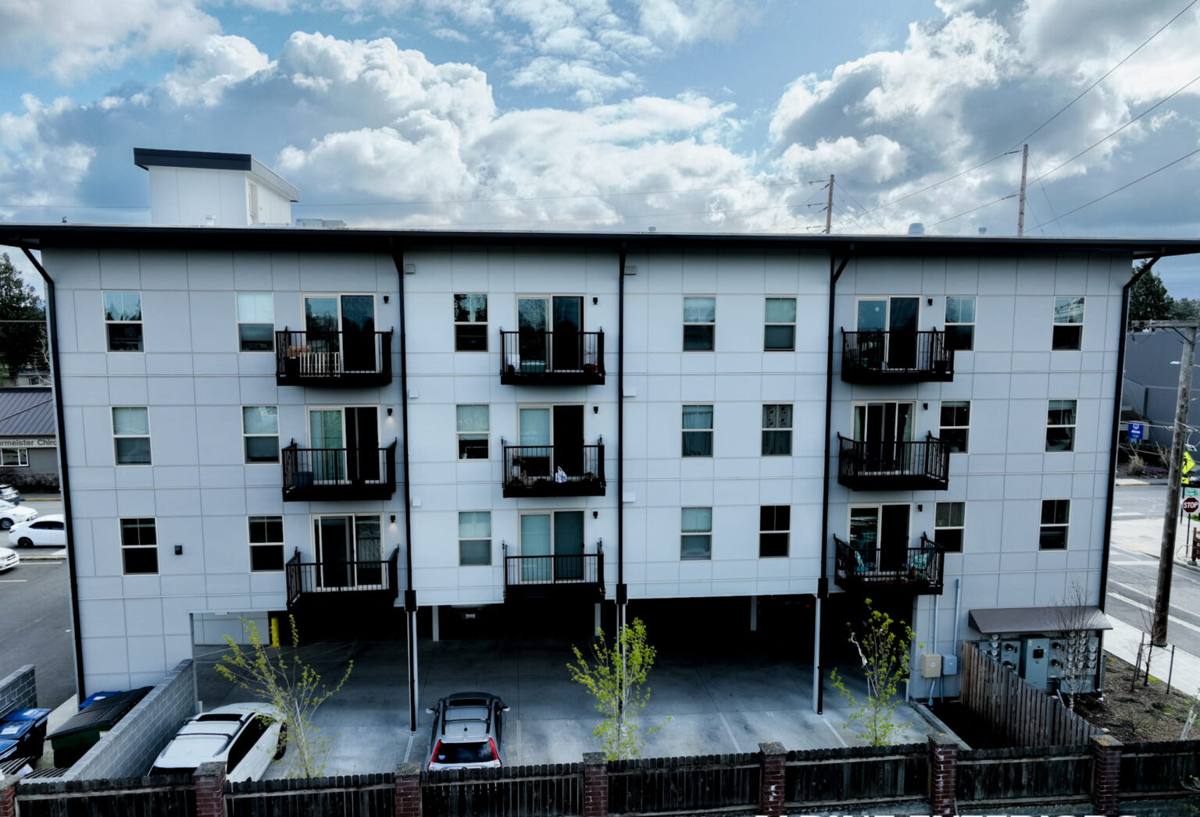
What "Correct" Siding Installation Actually Involves
Siding installation is often treated as a cosmetic job — pull the old boards off, nail the new ones on. That approach is exactly how homes in this climate end up with rot behind brand-new siding within a few years. A correct installation is a water-management system first and a finished appearance second.
Weather-Resistive Barrier and Drainage Gap
Every wall gets a continuous weather-resistive barrier installed over the sheathing before a single piece of siding goes up, lapped correctly at every seam so water sheds down and out, never in. On many jobs we add a rain screen or drainage gap behind the siding itself — a small air space that lets any moisture that does get past the cladding drain and dry instead of sitting against the wall.
Flashing at Every Penetration
Windows, doors, hose bibs, vents, light fixtures — every single penetration through the wall plane is a place water can get behind the siding if it's not flashed properly. This is the step that gets skipped or rushed on lower-quality jobs, and it's the step that determines whether a house stays dry through fifteen years of Whatcom County winters.
Fastening and Clearances
Fiber cement siding has specific fastening requirements — nail placement, penetration depth, and spacing all matter to the manufacturer's warranty and to how the material performs over time. Ground clearance and clearance from roof lines, decks, and grade also matter more here than in drier climates, since standing moisture at the bottom edge of a wall is where problems start first.
Why We Only Install James Hardie Fiber Cement Here
We install one siding product: James Hardie fiber cement. That's not a marketing preference — it's a standard we hold because of what this climate does to alternatives. Fiber cement doesn't have a wood or wood-composite core that can absorb water and swell, which is the failure mode we see most often on LP SmartSide and similar engineered-wood products once moisture finds a way in through a scratch, a poor seam, or a missed piece of flashing. It's non-combustible, which matters given the dry-summer wildfire smoke seasons this region has seen in recent years. And it holds paint and color far better over time than wood siding, which needs repainting on a cycle that only gets shorter in a climate this wet.
Hardie's ColorPlus factory finish is baked on under controlled conditions rather than applied on-site, so it resists fading and chipping better than field-applied paint — a real advantage on a house that's going to sit through Whatcom County winters for decades. The company also builds specific product lines engineered for wet, humid climates like this one, with formulations meant to handle the freeze-thaw and moisture cycling the Pacific Northwest delivers every year. We're not against every other siding product on principle — vinyl and engineered wood both have a place — but we've made the professional decision that fiber cement is what we're willing to put our name behind on homes in this area, and it's the only product we install.
Our Installation Process for Laurel Homes
- On-site assessment. We walk the exterior, check for existing moisture damage, note shaded and moss-prone walls, and look at grading and drainage around the foundation before we ever write a scope of work.
- Tear-off and sheathing inspection. Removing the old siding is when hidden rot or water damage shows up. We inspect the sheathing underneath and repair or replace any compromised sections before anything new goes on — covering up a wet wall with new siding just delays the same problem.
- Weather barrier and flashing installation. This is the step that determines long-term performance, and it happens before the visible siding, not as an afterthought.
- Hardie siding installation to manufacturer spec. Fastener type, spacing, clearances, and joint treatment all follow James Hardie's published installation requirements, which is also what keeps the manufacturer's warranty valid.
- Trim, caulking, and finish work. Because ColorPlus siding arrives factory-finished, field painting is minimal — mostly limited to cut edges and trim, done with manufacturer-approved products.
- Final walk-through. We go over the finished job with the homeowner and point out anything they should know for long-term maintenance.
Local Considerations We Watch For in Laurel
A lot of homes in and around Laurel are older farmhouses that have been added onto or re-sided more than once over the decades, which means we often find a patchwork of sheathing types, insulation gaps, and past repairs once the old siding comes off. Newer construction in the area tends to have more consistent building envelopes, but even those homes deal with the same regional exposure.
Because this is agricultural country, we also pay attention to things a suburban crew might not think about: splash-back from irrigation or well-fed hose bibs on lower siding courses, fine dust and debris from nearby fields settling into wall assemblies, and mature tree cover that keeps certain walls shaded and damp for most of the year. None of these are dramatic problems on their own, but they compound over time on the wrong siding material — which is a big part of why fiber cement, installed correctly, holds up so much better here than materials that were engineered for drier climates.
Cost Factors for a Siding Installation Project in the Laurel Area
Every home is different, so we don't quote a number until we've actually walked the property — but these are the factors that move a project's scope up or down, and they're worth knowing before you start collecting bids.
| Factor | Why It Matters | Typical Cost Impact |
|---|---|---|
| Existing siding removal | Vinyl and wood tear-off is generally faster than removing stucco or masonry veneer | Low–Medium |
| Hidden sheathing or moisture damage | Rot found during tear-off has to be repaired before new siding goes on | Medium–High |
| Home size and wall complexity | Dormers, gables, and multiple roof lines add cutting, flashing, and labor time | Medium–High |
| Number of stories and access | Taller walls and difficult access require more scaffolding and staging time | Low–Medium |
| Rural property access | Long driveways, outbuildings, and fencing common on Laurel-area properties can affect staging | Low |
| Siding profile selected | Lap siding, panel siding, and shingle-style profiles differ in material and labor cost | Low–Medium |
Signs Your Siding Needs Replacing
Some warning signs are obvious; others hide in plain sight for years before they become expensive. Walk your exterior and look for:
- Cracking, chipping, or visibly buckling boards
- Soft or spongy spots when you press on the siding, especially near the bottom courses
- Moss or algae staining that comes back within a few weeks of being cleaned off
- Peeling or bubbling paint, particularly on shaded, north-facing walls
- Rust streaks bleeding from nail heads or fasteners
- Gaps opening up at trim boards, corners, or window and door edges
- A noticeable jump in winter heating costs, which can point to moisture-compromised insulation behind the siding
Maintenance After Installation
Correctly installed fiber cement siding is low-maintenance, not no-maintenance. A yearly rinse-down helps keep moss and algae from getting a foothold, especially on shaded walls. Keeping gutters clear and downspouts directing water away from the foundation matters as much as the siding itself — most siding failures we're called out to repair actually start with a drainage problem, not a siding problem. Trimming back vegetation that holds moisture against the wall and giving caulk lines around trim and penetrations a visual check once a year will keep small issues from becoming expensive ones.
Why a Crew That Already Works in Laurel Matters
A contractor who already works this stretch of Whatcom County knows what to expect before the tear-off even starts — the kind of sheathing common in homes of a certain age, how far moss and moisture damage typically travel behind older siding, and how the county's permitting and inspection process runs for exterior work. That familiarity shows up in fewer surprises mid-project and a scope of work that's accurate the first time, instead of a change order after the walls are already open.
If you're weighing a siding project on a Laurel-area home, we're happy to take a look and give you a straightforward, no-pressure estimate — no obligation, just an honest read on what your home actually needs. Use the form below to get started.