 Lynden Siding
 Decks Built for Laurel's Whatcom County Climate
A deck in Laurel takes more weather abuse than almost any other structure on your property. It's horizontal, it's exposed, and it sits right where wind-driven rain, damp salt-laden air, and months of shade-grown moss can all do their work at once. Homes in and around Laurel deal with a wet season that stretches for much of the year, and a deck that isn't built with that in mind will show it early — soft boards, rusted fasteners, slick moss patches, and a structure that starts to feel unsteady well before it should. Our job is to build decks that hold up to what this part of Whatcom County actually throws at them, not a generic design pulled off a shelf.
That means paying attention to the details that don't show up in a showroom photo: how water sheds off the ledger board, what grade of hardware goes into the frame, and how the decking material itself handles years of damp shade. Get those right and a deck built in Laurel will still be solid and safe a couple of decades from now. Get them wrong and you're looking at repairs inside five years.
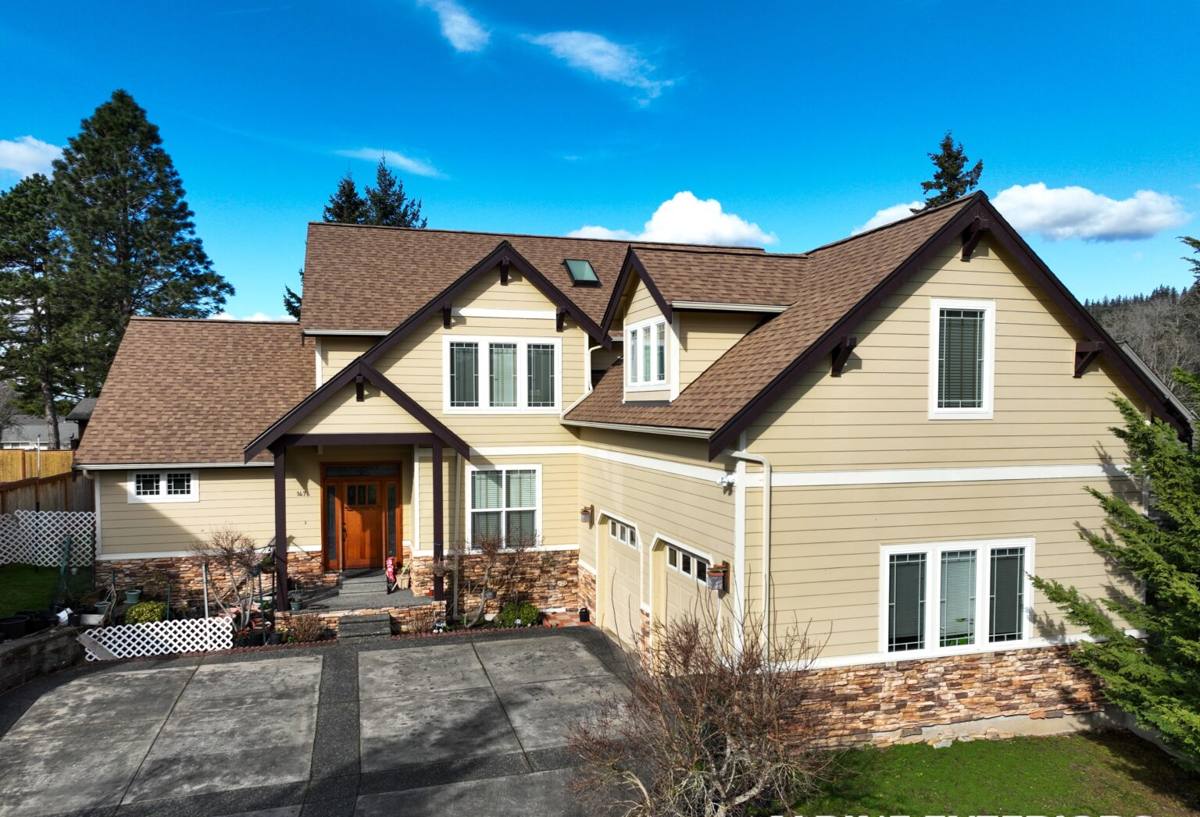
What Makes a Deck Last — Or Fail — in This Climate
Moisture and Wood Movement
Wood expands and contracts as it takes on and releases moisture, and in a climate with driving rain followed by long dry stretches, that cycle repeats constantly. Framing lumber that isn't properly rated, sealed, or gapped for movement will cup, crack, or loosen its fasteners over time. This is true even for the parts of the deck you never see — the joists and beams underneath matter as much as the boards on top.
Salt Air and Metal Hardware
Whatcom County's proximity to the coast means salt-laden air reaches further inland than most homeowners expect, and it's hard on unprotected metal. Standard hardware corrodes faster here than it would in a dry inland climate, and corroded fasteners are one of the most common hidden causes of deck failure. Our standard is hot-dip galvanized or stainless steel hardware rated for treated lumber and coastal exposure — it costs a bit more up front, but replacing a rusted-through joist hanger years later is a far bigger expense.
Moss, Algae, and Slip Hazards
A long moss season isn't just cosmetic. Moss and algae hold moisture against the decking surface, accelerate wood rot underneath, and turn a deck slick and genuinely dangerous underfoot — especially on stairs. Deck orientation, gaps between boards, and material choice all affect how much moss a deck grows and how easy it is to keep clean. A deck tucked in heavy shade with tight board spacing will need far more upkeep than one designed with drainage and airflow in mind from the start.
Choosing the Right Decking Material for Local Conditions
There's no single "best" decking material — the right choice depends on your budget, how much maintenance you're willing to do, and how much shade and moisture the deck's location gets. Here's how the common options compare for a Laurel-area build:
| Material | Upfront Cost | Maintenance | Moisture / Moss Resistance | Typical Lifespan |
|---|---|---|---|---|
| Pressure-treated wood | Lowest | Annual cleaning and periodic sealing | Moderate — needs upkeep to resist rot | 10–15 years with maintenance |
| Cedar | Moderate | Regular sealing to hold color and resist decay | Naturally decay-resistant but still needs care | 15–20 years with maintenance |
| Composite (uncapped) | Moderate-High | Occasional washing | Good, but can absorb moisture at cut edges over time | 20–25 years |
| Capped composite / PVC | Highest | Low — soap and water | Best — sheds water and resists moss buildup | 25+ years |
For a lot of Laurel homeowners, capped composite or PVC decking ends up being the better long-term value specifically because of the climate here — the upfront premium is offset by not having to reseal a wood deck every year or two in a place where that window closes fast once the rain sets in. That said, plenty of homeowners still prefer the look and feel of real wood, and a well-built and properly maintained cedar deck is a perfectly good choice — it just asks more of you over time.
The Structural Details That Actually Matter
The decking boards get all the attention, but the parts underneath determine whether a deck is safe and long-lasting. This is where a lot of corner-cutting happens on lower-quality builds, and it's rarely visible until something fails.
- Ledger board flashing: Where the deck attaches to the house is the single most common source of hidden water damage. Proper flashing directs water away from the wall framing instead of letting it wick in behind the siding.
- Footings set to proper depth: Footings need to be sized and set to account for local soil and frost conditions so the deck doesn't shift or heave over time.
- Joist protection: Flashing tape over the tops of joists keeps standing water from sitting directly against cut lumber, which is one of the fastest ways framing rots from the inside out.
- Fastener grade: Hardware rated for treated lumber and coastal exposure, not standard interior-grade fasteners that will corrode within a few seasons.
- Proper board spacing and airflow: Gaps sized to let water drain and air circulate underneath, which reduces both rot and moss growth.
None of this shows up in a finished photo, but it's the difference between a deck that's still tight and solid in twenty years and one that needs structural repair in five.
Permits and Code Requirements Around Lynden
Most new decks and many significant deck rebuilds in Whatcom County require a building permit, with specifics depending on the deck's height, size, and attachment to the house. Guardrail height, stair requirements, and footing depth are all governed by current building code and can vary based on your specific site conditions. Rather than leaving that on the homeowner, we handle the permitting process as part of the job — pulling the right permit, meeting inspection requirements, and making sure the finished deck is documented correctly. Skipping the permit process might save a little time up front, but it can create real headaches later, from insurance issues to problems at resale.
Our Custom Deck Process, Start to Finish
- On-site consultation: We look at your space, discuss how you'll use the deck, and talk through material and layout options suited to your yard's sun, shade, and drainage.
- Design and material selection: You get a clear plan and a material comparison — including honest trade-offs — before anything is ordered.
- Permitting: We handle the paperwork and inspections required for your project.
- Site prep and demo: Removal of any existing structure and preparation of the footing locations.
- Framing: Footings, posts, beams, and joists built to code with corrosion-resistant hardware and proper flashing throughout.
- Decking and railing installation: Your chosen material installed with correct spacing for drainage and long-term stability.
- Final walkthrough: We go over the finished deck with you, confirm everything meets code, and answer any maintenance questions before we consider the job done.
Signs Your Current Deck Needs Attention or Replacement
If you already have a deck in Laurel, it's worth checking these regularly — this climate ages decks faster than drier regions, and small problems get expensive if they're ignored.
- Soft or spongy spots when you walk across the boards
- Visible rust or corrosion on fasteners, brackets, or joist hangers
- Persistent moss or algae that comes back quickly after cleaning
- Gaps or separation where the deck meets the house
- Wobble in the railings or stairs
- Boards that are cracking, cupping, or splintering
- Any sign of rot at the base of support posts
Any one of these is worth a professional look before it turns into a safety issue rather than a repair item.
Why a Crew That Already Works in Laurel Matters
Building a deck that holds up here isn't just about following a generic set of building standards — it's about knowing how this specific stretch of Whatcom County behaves. A crew that regularly works in and around Lynden already knows which fastener grades hold up locally, how much of a moss allowance to build into a design, and what the county's permitting process actually looks like in practice. That local familiarity shows up in fewer surprises during the build and in a deck that's designed for the conditions it will actually face, not just the conditions on a spec sheet.
Keeping Your New Deck Looking Good for Years
A well-built deck still benefits from some basic upkeep, and what that looks like depends on the material you chose. Wood decks need periodic cleaning and resealing to keep water out and prevent graying and cracking. Composite and PVC decks need far less — mainly a wash a couple of times a year to keep moss and organic buildup from taking hold, especially in shaded corners. Whatever material you go with, it's worth doing a quick annual check of the railings, stairs, and any visible hardware for early signs of rust or looseness. Catching a small issue early is always cheaper and easier than dealing with a structural repair later.
If you're planning a new deck or need to replace one that's showing its age, we're happy to take a look and put together a straightforward, no-pressure estimate — just fill out the form below.