 Lynden Siding
 Window Installation for Kendall Homes
Kendall sits in the foothills northeast of Lynden, closer to the Nooksack River and the rise toward Mount Baker than most of Whatcom County's lowland communities. That location means more rainfall, more standing humidity in the shoulder seasons, and a longer stretch of the year where moss, algae, and moisture sit against exterior surfaces before the summer dry-out finally arrives. Windows take the brunt of that. A window opening is the single most common place water finds its way into a wall system, and in a climate that stays wet for months at a time, a poorly installed or aging window doesn't just look bad — it becomes the entry point for rot, mold, and structural damage you won't see until it's expensive.
This page is about one job done right: replacing or installing windows on homes in and around Kendall, with the flashing, sealing, and product choices that actually hold up to how wet this part of Whatcom County gets.
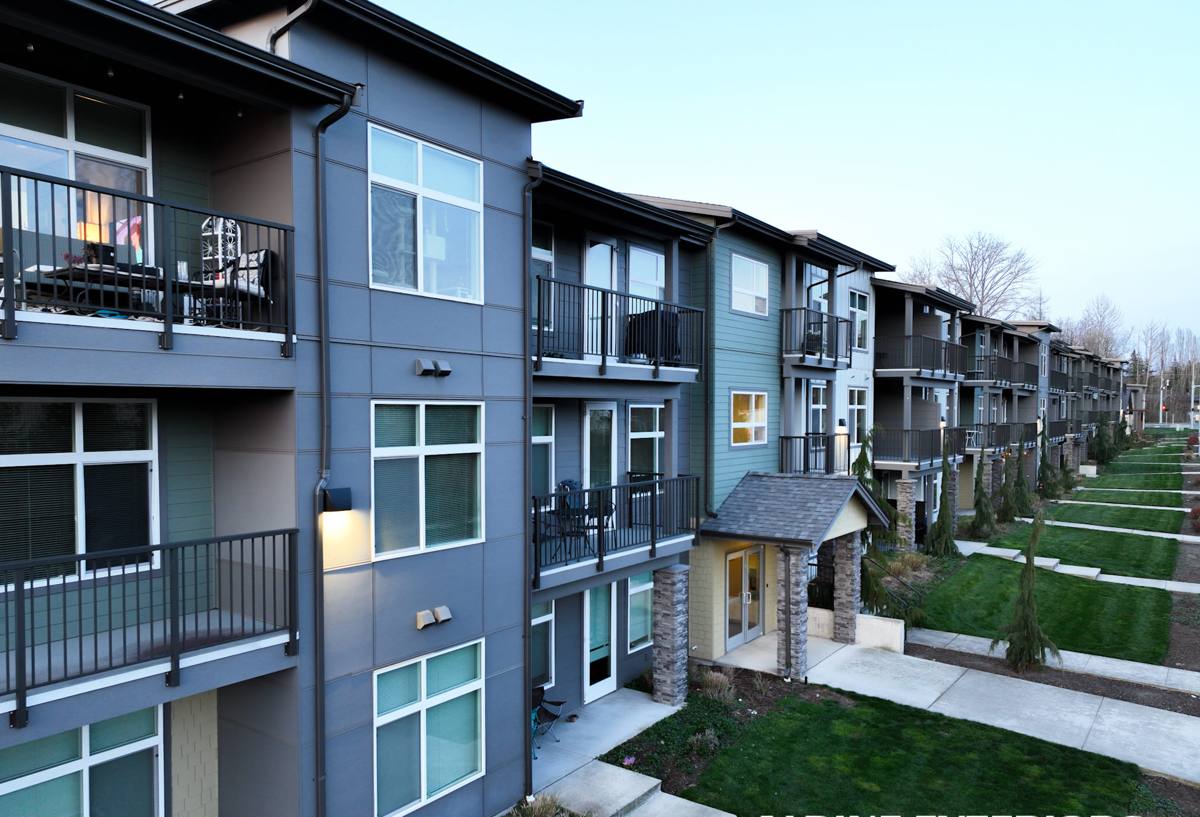
Why Kendall's Climate Is Hard on Windows
Whatcom County as a whole deals with driving rain, salt-tinged coastal air along the western edge, and a moss season that can run from fall through spring. Kendall, being further inland and higher in elevation than Lynden proper, tends to see even more consistent moisture — fog holds longer in the morning, and shaded north- and east-facing walls stay damp well after a storm has passed elsewhere in the county. That combination is rough on window assemblies in a few specific ways:
- Wind-driven rain gets pushed sideways into gaps that would never leak in a calmer climate, so flashing details that are "good enough" elsewhere aren't good enough here.
- Wood trim and sills around older windows stay wet longer between dry spells, which accelerates rot at the most vulnerable joints.
- Persistent humidity encourages condensation on interior glass and sashes, especially with older single-pane or poorly sealed units.
- Moss and algae growth on adjacent siding and trim can trap moisture directly against window casings if it isn't kept back.
None of this means Kendall homes need anything exotic — it means the installation details that get skipped in drier climates can't be skipped here.
Signs a Kendall Home Needs Window Work
Homeowners in this area usually notice one of a handful of warning signs before calling us. Worth checking your own home against this list:
- Fogging or a milky haze between the panes of a double-pane window — the seal has failed and the insulating gas is gone.
- Soft or spongy trim/sill wood when pressed, especially on north-facing or shaded windows.
- Visible daylight or a draft around the frame when the window is closed and locked.
- Paint that bubbles or peels repeatedly around the same window despite repainting.
- Difficulty opening, closing, or locking — frames can swell and warp after repeated wet/dry cycles.
- A noticeable jump in heating costs without any other obvious cause.
Any one of these is worth a look. Several at once usually means the window and its surrounding flashing both need attention, not just the glass.
What a Correct Installation Actually Involves
Flashing and Water Management First
The window unit itself is rarely where a leak starts — the flashing around it is. A correct install builds a water-shedding path in layers: sill pan flashing at the bottom to catch and direct any water that gets past the window, side and head flashing that integrates with the home's weather-resistive barrier, and a sealant approach that leaves a way for any incidental moisture to drain back out rather than getting trapped inside the wall cavity. In a climate with as much driving rain as Kendall gets, skipping the sill pan or lapping the flashing in the wrong order is the single most common cause of hidden rot we find when we open up an old installation.
Air Sealing and Insulation
Beyond keeping bulk water out, the gap between the window frame and the rough opening needs to be sealed and insulated correctly — not stuffed full of fiberglass, which does little for air sealing, and not sprayed solid with a rigid foam that can bow the frame and cause the window to bind. A proper low-expansion foam or backer rod and sealant approach keeps the assembly both weathertight and able to move slightly with temperature changes, which matters through Whatcom County's seasonal swings.
Level, Plumb, and Properly Fastened
A window that's slightly out of square will bind, won't lock tightly, and will wear its weatherstripping unevenly — all of which shortens its useful life. We shim and fasten to the manufacturer's specification, not just "close enough," because a window that operates smoothly is also a window that seals correctly every time it's closed.
Choosing Windows for a Whatcom County Home
There's no single "best" window material — the right choice depends on your home's exposure, budget, and how much upkeep you want to take on. Here's how the common options compare for a wet, moss-prone climate like Kendall's:
| Material | Moisture Performance | Maintenance | Typical Lifespan |
|---|---|---|---|
| Vinyl | Excellent — won't rot, resists moisture well | Low; occasional cleaning | 20–30+ years |
| Fiberglass | Excellent — very stable in wet/dry cycling | Low | 30–40+ years |
| Aluminum | Good moisture resistance, but conducts cold and can condense | Low to moderate | 20–30 years |
| Wood (unclad) | Requires diligent upkeep to resist rot in constant damp exposure | High — regular painting/sealing | Varies widely with maintenance |
| Wood-clad (vinyl/aluminum exterior) | Good — exterior shell protects the wood core | Low exterior, occasional interior wood care | 25–35 years |
For most homes in and around Kendall, we steer people toward vinyl or fiberglass frames for a straightforward reason: they don't give moisture a place to take hold, and in a climate where a window can sit damp for days at a stretch, that's a real, practical advantage over unprotected wood — not a knock on wood windows themselves, which can perform well when maintained closely. Glazing matters too: double-pane with a low-E coating and argon fill is the practical standard here, cutting both heat loss and condensation risk on interior glass during cold, humid mornings.
Our Window Installation Process
Every job follows the same sequence, whether it's one window or a whole-house replacement:
- Assessment — we inspect existing windows, the surrounding trim and sheathing, and note any signs of prior water intrusion before quoting anything.
- Measurement and product selection — exact rough opening measurements, and a conversation about frame material, glazing, and style that fits both the home and the budget.
- Removal — old units come out carefully so we can inspect the rough opening and sheathing underneath for hidden rot before it gets covered back up.
- Repair as needed — any soft sheathing or framing found during removal gets repaired before the new window goes in, not sealed over.
- Flashing and installation — sill pan, side and head flashing, and the new window set level, plumb, and fastened to spec.
- Sealing and insulation — interior and exterior sealing, low-expansion foam or backer rod at the perimeter gap.
- Trim and finish — interior and exterior trim reinstalled or replaced, caulked, and finished to match the home.
- Final check — every window operates, locks, and seals correctly before we call the job done.
Cost Factors for Window Installation
Every home is different, but the main variables that move a project's cost are consistent:
| Factor | Why It Matters |
|---|---|
| Number of windows | Per-unit cost drops on larger jobs due to shared setup and labor |
| Frame material | Vinyl is typically the most budget-friendly; fiberglass and wood-clad cost more upfront |
| Window size and style | Large picture windows, bays, or custom shapes cost more than standard double-hung sizes |
| Condition of the rough opening | Hidden rot or sheathing damage found during removal adds repair time |
| Trim and siding tie-in | Matching existing trim profiles or siding cladding around the new window adds labor |
We give a firm, itemized quote after seeing the actual windows and openings — not a phone estimate — because the condition behind the old window is the biggest unknown until it's opened up.
Why a Crew That Already Works in Kendall Makes a Difference
A window installer who mainly works in drier inland climates can do a technically fine job and still leave a home under-protected against what Kendall's weather actually delivers. Knowing how far driving rain pushes water sideways in this area, how long moss and moisture sit against north-facing walls, and which flashing details actually hold up here isn't something you get from a manual — it comes from doing the work locally, season after season. That local knowledge shows up in small decisions: extra attention on shaded elevations, sill pan flashing that's non-negotiable rather than optional, and sealant products chosen for how they perform in sustained damp cold rather than a mild coastal climate elsewhere.
After Installation: Keeping Your Windows Performing
New windows installed correctly need very little upkeep, but a few habits extend their life in this climate:
- Clear moss and debris from nearby siding, trim, and window sills before it holds moisture against the frame.
- Check and re-caulk exterior trim joints every few years, since sealant does wear out even on quality installations.
- Wipe down interior sills during cold snaps if condensation appears — it's normal in a humid climate but shouldn't be left to sit.
- Operate each window a few times through the year so hardware and weatherstripping don't seize or compress unevenly.
- Watch for any soft trim or paint failure at the same spot more than once — that's usually a sign of a flashing issue, not just weather wear.
If your Kendall-area home has windows that fog, draft, stick, or just look tired after years of Whatcom County weather, we're happy to take a look and give you a straightforward, no-pressure estimate — no obligation, just an honest read on what your windows actually need. The form below is the easiest way to get started.