 Lynden Siding
 Ferndale's Exterior Has a Tougher Job Than Most People Realize
Ferndale sits close enough to Bellingham Bay and the Nooksack River delta that salt-laden air, near-constant winter moisture, and shaded, slow-drying north walls are simply part of owning a home here. Add in Whatcom County's long moss season — often eight months a year of the kind of damp, low-sun conditions moss and algae love — and you have an exterior environment that punishes the wrong siding choice faster than it would inland. Homes just a few miles east in Lynden deal with some of this too, but Ferndale's closer proximity to open water and tidal flats means the salt and driving-rain exposure is usually more direct, especially on west- and southwest-facing walls that catch storms rolling in off the water.
This page is about one thing specifically: fiber cement siding, done correctly, on a home in Ferndale. Not siding in general, not a different climate's concerns — what this material needs to do here, what a proper installation looks like in this exposure, and why a crew that already works this area matters more than it might in a milder climate.
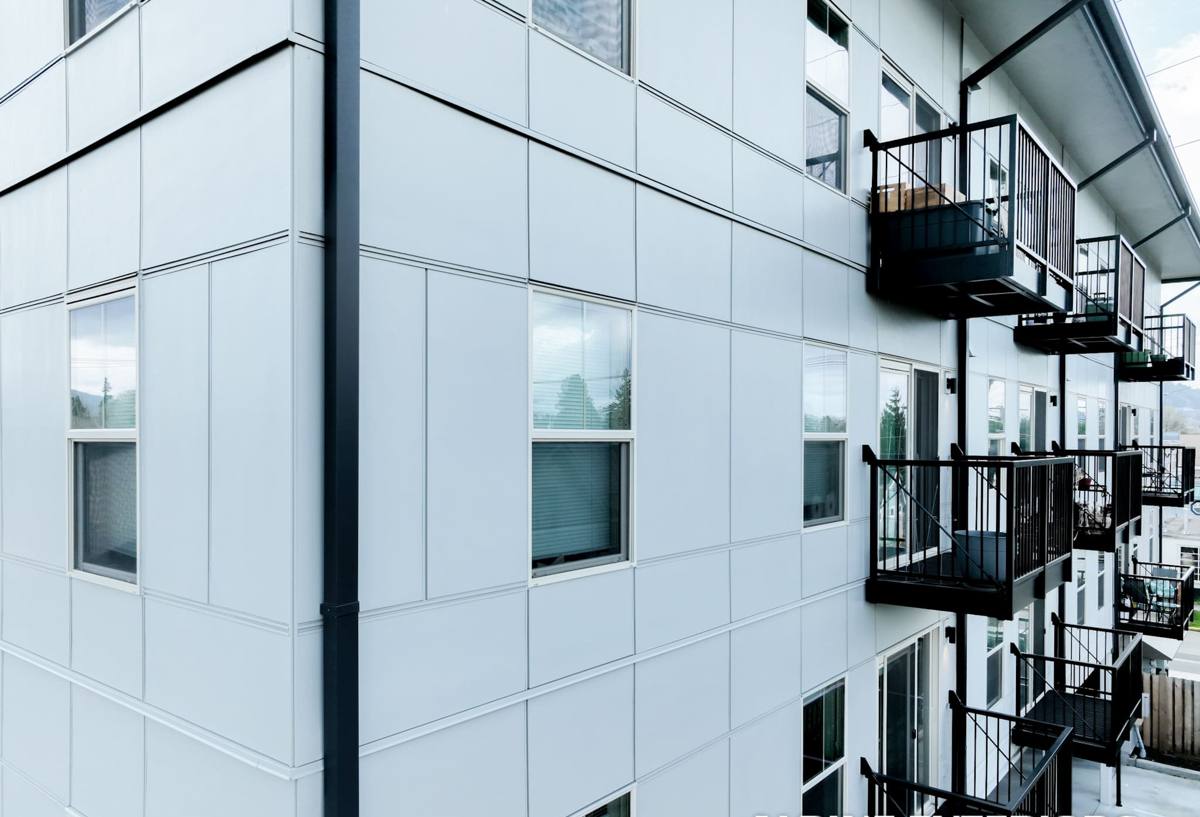
What Salt Air, Rain, and Moss Actually Do to Siding
Each of Ferndale's climate stressors attacks siding differently, and understanding the mechanism is what separates a good installation from one that looks fine for a few years and then fails.
Salt air
Airborne salt is corrosive to metal fasteners, flashing, and trim, and it accelerates the breakdown of coatings that aren't engineered to resist it. Siding with a weak factory finish will chalk, fade, or lose adhesion faster near the water than it would twenty miles inland.
Driving rain
Wind-driven rain doesn't just wet a wall — it forces water sideways and upward, testing every joint, seam, and piece of flashing on the house. A siding system that relies on caulk alone to keep water out, rather than proper lapping and drainage behind the cladding, will eventually let moisture in. Once water gets behind siding on a home with Ferndale's rainfall totals, it often doesn't get a chance to dry out before the next storm arrives.
Moss and algae
Whatcom County's combination of moisture, shade, and mild temperatures is close to ideal for moss and algae growth. On the wrong material, this isn't just cosmetic — organic growth on organic-based sidings (like wood or wood-composite products) can hold moisture against the substrate and accelerate rot. On a properly finished fiber cement board, moss and algae stay a surface issue that washes off, not a structural one.
Why Fiber Cement Fits Ferndale's Conditions
We install James Hardie fiber cement exclusively, and in a climate like this the reasons are practical, not brand loyalty. Fiber cement is a non-combustible, cement-and-cellulose composite that doesn't absorb water the way wood or wood-composite siding does, and it doesn't degrade under UV and moisture cycling the way vinyl can over a couple decades. Hardie's ColorPlus finish is a factory-baked, multi-coat process specifically engineered to hold color and resist fading, chalking, and moisture intrusion better than field-applied paint — which matters directly here, since a finish that's marginal in a dry climate will show its weaknesses fast under Ferndale's salt and rain load.
Hardie also engineers its product lines by climate zone (HZ5 for the Pacific Northwest), which affects the board's moisture resistance and how it's formulated to perform in wetter, cooler regions rather than a one-size-fits-all national product.
| Factor | Fiber Cement (James Hardie) | Wood / Cedar | Vinyl |
|---|---|---|---|
| Moisture absorption | Very low, engineered for wet climates | High, needs consistent maintenance | Low, but seams and gaps can trap water |
| Moss/algae resistance | Surface growth, cleans off, no structural risk | Can hold moisture against wood, contributing to rot | Resistant, but growth in seams is common |
| Salt air / coastal exposure | Factory finish engineered for UV and moisture | Finish breaks down faster, needs recoating | Can become brittle over time in coastal wind exposure |
| Fire resistance | Non-combustible | Combustible | Can melt or warp under heat exposure |
| Typical lifespan when installed to spec | 30+ years | 15–25 years with regular upkeep | 20–30 years, but can fade/warp sooner |
What a Correct Fiber Cement Installation Involves Here
Fiber cement's reputation is only as good as the installation behind it. Most of the failures we get called out to inspect aren't a material problem — they're an installation shortcut that lets water in behind a perfectly good board. In a climate that drives rain sideways and keeps things damp for months, these details matter more than they would somewhere drier.
- Weather-resistive barrier and rainscreen gap: A properly lapped weather barrier behind the siding, ideally with a drainage gap, gives any moisture that does get past the cladding a way to escape instead of sitting against the sheathing.
- Correct flashing at every penetration: Windows, doors, hose bibs, light fixtures, and vents all need integrated flashing — not just a bead of caulk — to shed water in wind-driven rain.
- Proper fastener placement and type: Hardie specifies fastener type, size, and placement for a reason; corrosion-resistant fasteners matter more near the coast, and fastening too high or too low on the board affects long-term performance.
- Manufacturer-specified clearances: Siding needs to sit above grade, decks, patios, and roof lines by the clearances Hardie specifies, so splash-back and standing moisture don't sit against the bottom edge of the board.
- Field-cut edge sealing: Every cut edge exposes raw fiber cement that needs to be primed or sealed before installation, or it becomes a weak point for moisture intake.
- Caulking joints, not relying on them: Caulk is a backup to good flashing and lapping, not the primary defense against water.
Our Process for a Ferndale Fiber Cement Installation
We approach every fiber cement job here the same methodical way, adjusted for what a specific wall and exposure need.
1. Exterior assessment
We look at the home's orientation, existing siding condition, moisture staining, moss patterns, and any signs of past water intrusion before recommending a scope of work.
2. Tear-off and substrate check
Old siding comes off and we check the sheathing underneath for rot or damage — anything compromised gets repaired before new siding goes on, not covered up.
3. Weather barrier and flashing
We install a continuous weather-resistive barrier and flash every window, door, and penetration before a single piece of siding goes up.
4. Hardie board installation to spec
Boards are cut, sealed at field edges, fastened per Hardie's specifications, and lapped to shed water down and away from the wall.
5. Trim, caulking, and finish details
Trim work, corner details, and caulking are finished last, using products compatible with ColorPlus finishes so the whole system performs together.
6. Final walkthrough
We walk the job with the homeowner, checking clearances, flashing, and finish before calling it complete.
Maintenance: What Ferndale Homeowners Should Actually Expect
Fiber cement is low-maintenance, not no-maintenance. In this climate, a short annual routine keeps it performing the way it's designed to.
- Rinse the exterior annually (a garden hose is usually enough) to remove salt residue and organic buildup before it accumulates.
- Check caulking at trim and penetrations yearly and re-caulk if it's cracked or pulling away.
- Keep gutters clear so overflow doesn't run down the siding face repeatedly.
- Trim back vegetation and landscaping that keeps a wall shaded and damp, since that's where moss and algae take hold first.
- Watch north- and west-facing walls most closely — they typically see the most moss growth and driving rain exposure in this area.
What Fiber Cement Costs to Install in This Area
Cost varies by home size, existing siding condition, trim complexity, and how much repair work is needed underneath. Rather than quote a number that won't reflect your specific home, here's what actually moves the price:
| Cost Factor | Why It Matters |
|---|---|
| Existing siding removal | Tear-off labor and disposal add cost versus new construction |
| Sheathing/substrate repair | Rot or water damage found during tear-off needs fixing before new siding goes on |
| Home size and wall complexity | More corners, dormers, and trim detail increase labor time |
| Siding profile and finish | Lap width, texture, and color options affect material cost |
| Accessibility | Multi-story walls, steep grades, or tight lot lines affect scaffolding and labor |
Why a Crew That Already Works Ferndale Matters
Fiber cement installation isn't exotic, but installing it correctly for this specific exposure takes judgment that comes from doing it here repeatedly — knowing which walls in Ferndale tend to see the worst wind-driven rain, how much clearance to leave given local grading and drainage patterns, and where moss tends to establish first on homes in this part of Whatcom County. A crew that's worked Lynden, Ferndale, and the surrounding area knows these patterns firsthand instead of applying a generic install and hoping it holds up.
If you're weighing a siding replacement or new construction project in Ferndale and want to know what correct fiber cement installation looks like for your specific home, we're happy to walk the exterior with you and give you a straight, no-pressure assessment. Reach out using the form below to schedule a free estimate.