 Lynden Siding
 Decks Built by People Who Already Know This Weather
Abbotsford sits just a few minutes north of the border from Lynden, and the two places share the same weather system — the same low winter sun, the same marine-influenced air moving in off the Salish Sea, and the same long stretch of wet months that put any outdoor structure to the test. A deck built in this part of the Pacific Northwest lowlands is not the same project as a deck built in a dry climate. It needs to shed water fast, resist moss and mildew for most of the year, and hold up to hardware corrosion that a drier region never has to think about.
We're a Lynden-based crew, and Abbotsford is close enough that it's part of our regular service area, not a special trip. That matters more than it sounds like it should — we've already seen how decks in this specific stretch of Whatcom County and the Fraser Valley age over five, ten, and fifteen years, and we build accordingly.
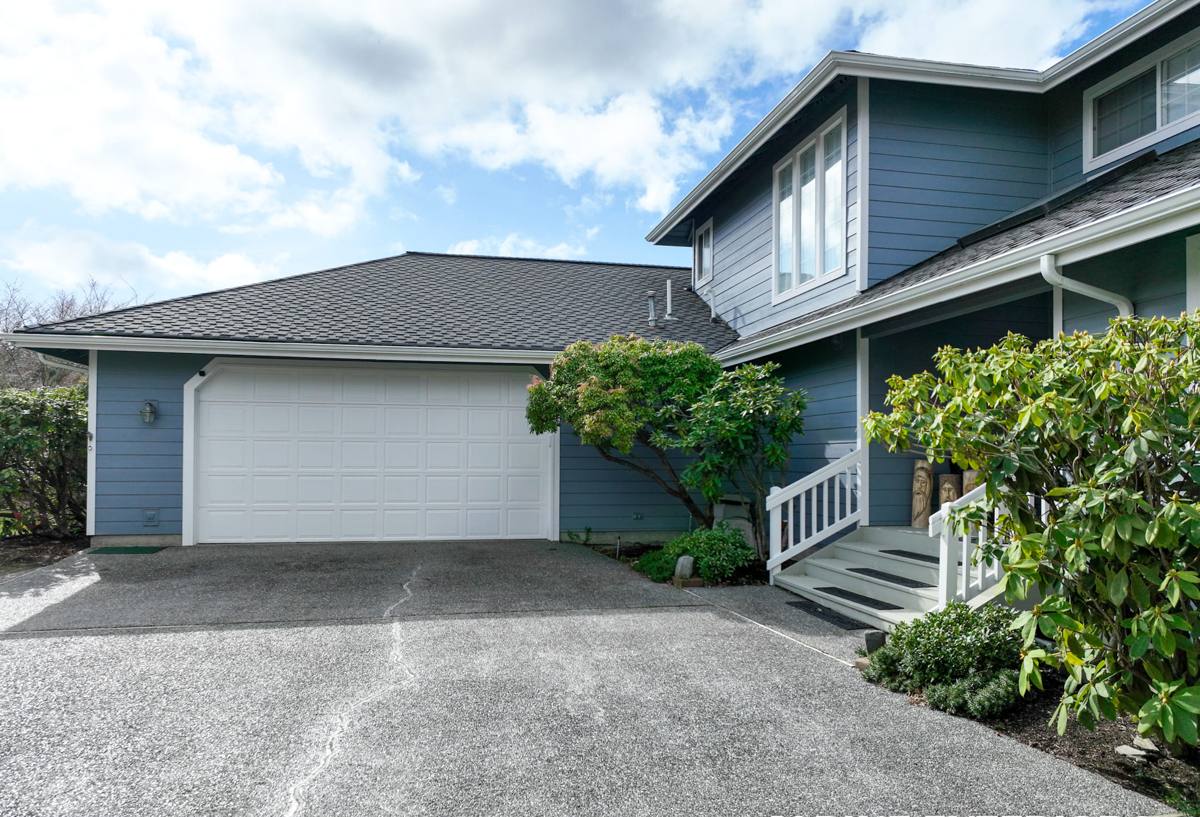
What This Climate Does to a Deck Over Time
Rain, Shade, and the Moss That Follows
This region doesn't get hard freezes very often, but it gets months of low-angle sun, overcast skies, and rain that doesn't let up for days at a stretch. Any deck surface that stays damp and shaded — under a tree canopy, on the north side of a house, or wherever airflow is blocked — becomes a moss and algae magnet. On a poorly built deck, that moss doesn't just make the boards slippery. It holds moisture against the wood or composite surface far longer than it should, which accelerates rot in real wood and can dull or stain even low-maintenance materials if they're not sealed or capped correctly.
Corrosion You Don't See Until It Fails
The same damp, salt-tinged marine air that moves through this whole stretch of the Pacific Northwest lowlands is hard on metal. Standard fasteners and connectors that would be fine in a drier inland climate can start corroding under the deck surface within a few years here — and because that hardware is hidden under the decking boards, homeowners often don't find out until a board pulls loose or a railing post starts to wobble. This is one of the most common failure points we see on decks that weren't built with this specific climate in mind.
What a Correctly Built Deck Needs Here
Footings and Framing Below the Frost Line
Footings need to be set deep enough to stay below the frost line for this region and rated to carry the actual load of the structure — not just what a quick estimate assumes. Undersized or shallow footings are a leading cause of decks that start to heave, sag, or pull away from the house over a few winters.
Flashing, Ledger Boards, and Drainage
Where a deck attaches to the house, the ledger board connection is the single most important detail on the entire project. Correct flashing keeps water from working its way behind the siding and into the wall framing — and in a climate that sees this much rain, a flashing mistake here doesn't show up as a deck problem first. It shows up as rot inside the wall. The whole structure also needs to be built with a slight slope and clear drainage path so water moves off the surface instead of pooling.
Fasteners and Hardware Rated for This Air
Structural screws, joist hangers, post bases, and railing hardware all need to be corrosion-resistant — stainless steel or a coating rated for ground contact and coastal-influenced air, not a generic finish. It costs a little more up front and it's the difference between hardware that outlasts the decking and hardware that becomes the reason for a premature rebuild.
Choosing Decking Material for a Wet, Mossy Climate
There's no single right answer here — it depends on your budget, how much upkeep you want to do, and how shaded the site is. Here's how the common options actually perform in conditions like Abbotsford and Lynden see most of the year.
| Material | Moss/moisture behavior | Maintenance | Typical lifespan |
|---|---|---|---|
| Pressure-treated pine | Resists rot when properly treated, but surface stays porous — moss and mildew take hold if not cleaned and sealed regularly | Annual cleaning, re-sealing every 1-2 years | 15-20 years with upkeep |
| Cedar | Naturally moisture- and insect-resistant, but still needs sealing to prevent graying and surface softening in constant damp | Cleaning and sealing every 1-2 years | 15-25 years with upkeep |
| Composite decking | Won't rot, but uncapped or older composite can absorb moisture at cut edges and support mold on the surface if never cleaned | Periodic washing, minimal sealing | 25-30 years |
| PVC/capped composite | Fully sealed surface sheds water and resists moss and staining best of the group | Occasional washing | 25-30+ years |
In deeply shaded yards — which is common on tree-lined lots on both sides of the border — we usually steer homeowners toward capped composite or PVC, simply because it holds up to constant damp shade with the least ongoing work. In sunnier, more open sites, wood is a perfectly good option as long as the maintenance schedule actually gets kept.
Permits: Working Both Sides of the Line
Whatcom County, Washington
Deck projects on the Washington side generally require a building permit, with specifics depending on the deck's size, height, and whether it's attached to the house. We handle that process as part of the job rather than leaving it to the homeowner.
City of Abbotsford, BC
Across the border, deck construction falls under BC's building code and the City of Abbotsford's own permitting process, which has its own requirements around footings, guardrails, and inspections. It's a genuinely different system than what applies a few miles south — different forms, different inspection points, sometimes different expectations for how a structure is documented. Because we work regularly on both sides of the line, we're used to navigating whichever jurisdiction a project falls under rather than treating it as unfamiliar territory.
Our Process, Start to Finish
- Site visit and consultation — we look at sun exposure, drainage, tree cover, and how you actually plan to use the space before talking materials.
- Design and material selection — sizing, layout, railing style, and decking material chosen against your budget and how much upkeep you want long-term.
- Permitting — we prepare and submit the paperwork for whichever jurisdiction the project is in and handle the required inspections.
- Footings and framing — footings set to depth, framing built to load, ledger flashing installed correctly at the house connection.
- Decking, railing, and finishing — surface material and railings installed, stairs and any built-ins completed.
- Final walkthrough — we go over the finished deck with you and explain what upkeep it actually needs for this climate.
Cost Factors for a Custom Deck
Every deck is priced on its own specifics, but the factors that move the number are consistent. Treat the ranges below as broad and directional — a site visit is the only way to get an actual number.
| Factor | Why it matters |
|---|---|
| Size and footprint | Square footage is the base driver of material and labor cost |
| Height and grade | Elevated decks need more substantial framing, footings, and often stairs and additional railing |
| Decking material | Pressure-treated wood costs least upfront; cedar and composite/PVC cost more but shift maintenance costs down the road |
| Railing style | Basic wood railing costs less than metal, glass, or cable railing systems |
| Site access | Tight lots, slopes, or limited equipment access add labor time |
| Permitting jurisdiction | Inspection requirements and timelines differ between Whatcom County and City of Abbotsford processes |
Keeping a Deck Sound Through the Wet Season
Most deck problems we get called out for started as something small and preventable. A short seasonal check catches most of it before it becomes a repair.
- Sweep leaves and debris off the surface and out from between boards before fall rain sets in
- Check for moss or algae buildup and clean it off before it stains or holds moisture against the surface
- Look at the ledger board area where the deck meets the house for any signs of water staining or soft wood
- Test railing posts and stair stringers for looseness — a wobble is often an early sign of hardware corrosion
- Confirm water is still draining off the surface and away from the house foundation, not pooling
- Reseal wood decking on schedule rather than waiting until it visibly grays or splits
Why a Crew That Already Works Abbotsford Matters
A deck contractor who's only ever built in a drier climate, or who's never dealt with two different permitting systems fifteen minutes apart, is learning on your project. We're not — Abbotsford is a normal part of our service area, not an occasional exception, so the border crossing, the BC permitting process, and the specific way this climate wears on a deck are all things we've already worked through. That translates into fewer surprises during the build and a deck that's actually built for the conditions it's going to sit in for the next two or three decades, not conditions it was designed for on paper.
If you're planning a new deck or replacing one that's showing its age, we're glad to come take a look and talk through what makes sense for your site. Fill out the form below for a free, no-pressure estimate.