 Lynden Siding
 Board & Batten Siding in a Whatcom County Climate
Everson sits just down the road from Lynden in Whatcom County, which means it gets the same weather pattern we see across the rest of our service area: salt-tinged marine air moving in off the water, driving rain that comes at the wall sideways more often than straight down, and a moss season that can run from fall through spring without much of a break. That combination is hard on any exterior cladding, but it is particularly unforgiving of siding that was not detailed correctly at the joints, seams, and bottom edges.
Board and batten is a style choice, but on a home in this part of Whatcom County it is also a performance question. The wide, flat panel faces and the narrow battens covering the seams create fewer horizontal laps than traditional lap siding, which sounds like an advantage - and in some ways it is - but it also means every vertical seam and every batten fastener line has to be flashed and sealed with more discipline, because there is less overlap doing the work of shedding water for you. Done right, board and batten holds up beautifully in this climate. Done as a quick trim-over-panel job without attention to drainage, it traps moisture behind the battens and grows moss and algae faster than almost any other siding style we install.
Why the Style Fits Everson's Homes
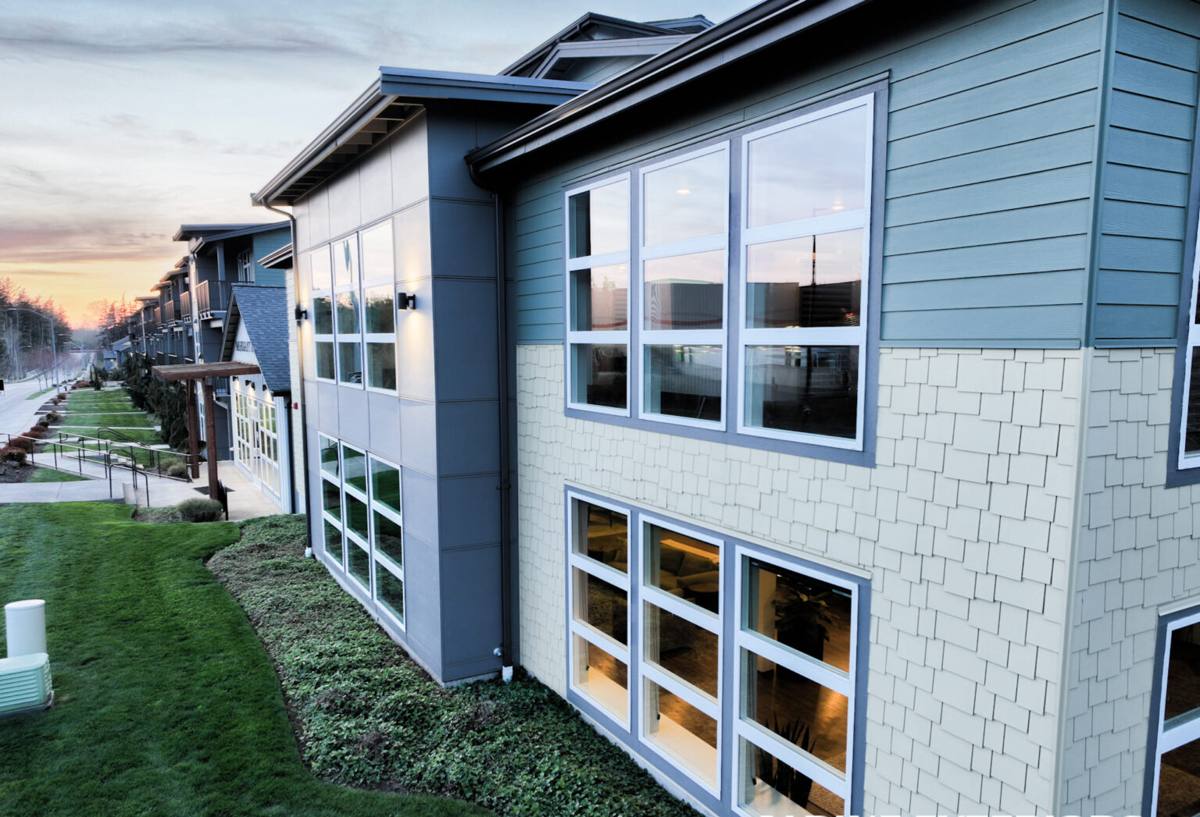
A lot of the housing stock around Everson and the surrounding farmland leans toward simple, functional forms - gable roofs, straightforward massing, working outbuildings nearby. Board and batten has always paired well with that look, which is part of why it shows up so often on both older farmhouses being re-sided and newer construction going for a clean, modern-farmhouse exterior. The vertical lines read as tall and simple rather than busy, and the style tends to age well visually because there is less trim detail to look dated in ten years compared to some more ornate siding profiles.
It also works well as an accent - many homeowners in this area use board and batten on a gable end, a dormer, or a porch surround while running horizontal lap siding on the main walls. That mixed approach can look sharp, but it doubles the number of transitions a contractor has to flash correctly, since every place board and batten meets lap siding is a spot where water wants to find a way in.
What Correct Board & Batten Installation Involves
The Panel-and-Batten System
What most people picture as "board and batten" is actually a panel system: a wide vertical panel goes up first, aligned and fastened to the studs, and then a narrower trim board - the batten - is fastened over each seam between panels. The panel spacing has to match the framing layout, not just look even from the driveway, and the fasteners have to land in solid framing at the spacing the manufacturer specifies. Skipping studs or relying on the batten alone to hold the panel edge is a shortcut that shows up as loose or bowed siding within a few years, especially once the wood behind it starts absorbing moisture from repeated wetting.
Drainage, Flashing, and the Details That Matter Most
The parts of a board and batten job that actually determine how it performs in this climate are mostly invisible once it is finished. A weather-resistive barrier goes on the wall sheathing first, and in a climate this wet we build in a drainage gap behind the siding so any moisture that does get past the cladding has somewhere to go instead of sitting against the panel. Window and door openings need proper head, jamb, and sill flashing integrated with the barrier - not just caulk smeared around the trim. Anywhere a roof meets a wall, kick-out flashing has to divert water away from the siding instead of letting it run down behind the bottom courses. And the bottom edge of the siding needs the correct clearance from grade, decks, and roof lines so it is not sitting in standing water or constant splash-back. None of this is optional in a climate that sees this much driving rain - it is the difference between siding that lasts decades and siding that fails from the inside out while still looking fine from the street.
Why We Only Install This in James Hardie Fiber Cement
Board and batten can be built out of vinyl, engineered wood, primed spruce, or fiber cement, and each of those has real trade-offs worth understanding before you pick one. Vinyl board and batten is inexpensive and low-maintenance, but it flexes and fades over time and does not hold up well against direct sun and salt-tinged coastal air the way a rigid material does. Engineered wood products depend heavily on every cut edge being field-sealed correctly; miss one spot in a climate this wet and moisture gets a foothold that shows up as swelling months or years later. Primed wood board and batten looks great on day one but commits you to a repainting and caulk-maintenance cycle that most homeowners underestimate, and in a moss-prone climate that maintenance window gets shorter, not longer.
We standardized on James Hardie fiber cement because it is engineered specifically for climates like ours - Hardie's HZ5 product line is formulated for the Pacific Northwest's freeze-thaw cycles and near-constant moisture exposure, not a generic national spec. It is non-combustible, it does not swell or rot the way wood-based products can, and the ColorPlus factory finish is baked on under controlled conditions rather than field-painted, which means the color and the moisture seal at the surface are far more consistent than anything applied on-site with a brush or sprayer in variable Whatcom County weather. It backs that up with a strong, transferable warranty on both the substrate and the factory finish. That is why, when a homeowner in Everson asks us to build board and batten siding, the panels and battens we bring are Hardie - we do not offer the alternatives above because we are not willing to put our name on installations we know will need more attention sooner in this climate.
Board & Batten Material Comparison
| Material | Moisture behavior | Moss/algae resistance | Maintenance cycle | Typical lifespan |
|---|---|---|---|---|
| Vinyl board and batten | Does not absorb water, but flexes and can gap at fasteners over time | Fair - grows moss/algae in shaded, damp spots like any surface | Low, but panels crack or fade and can't be easily patched | 15-25 years |
| Engineered wood board and batten | Vulnerable at any unsealed cut edge or joint | Fair if finish is maintained; poor once finish fails | Moderate to high - depends on field sealing quality | 15-25 years with upkeep |
| Primed wood board and batten | Absorbs moisture readily without diligent repainting | Poor in shaded, wet conditions without frequent cleaning | High - repaint and recaulk on a recurring cycle | 10-20 years |
| James Hardie fiber cement (what we install) | Dimensionally stable, engineered for wet climates (HZ5) | Good with normal rinsing; factory finish resists breakdown | Low - occasional wash, no repainting on the factory finish | 30+ years with correct install |
Our Process for an Everson Board & Batten Project
The process starts with a walk-through of the home so we can see the existing wall assembly, the roof-to-wall intersections, and any spots - overhangs, north-facing walls, ground-level shade - where moss and moisture already show they are a problem. From there we talk through panel width and batten spacing, reveal, and ColorPlus color options, and put together a written estimate that reflects the actual scope, not a generic per-square-foot guess.
- Site walk and measurement, including a look at existing moisture or moss patterns on the home
- Product selection - panel size, batten spacing, and ColorPlus color
- Permitting as required by the local jurisdiction before tear-off begins
- Removal of existing siding and inspection of the sheathing underneath for hidden rot or damage
- Installation of the weather-resistive barrier and drainage gap, then the Hardie panels and battens
- Flashing at every window, door, and roof-wall transition as the siding goes up, not as an afterthought
- Final walkthrough so you know what was done and what to expect from the finished siding
Keeping Board & Batten Looking Right
A correctly installed Hardie board and batten system needs very little from you, but a few habits go a long way in a climate with this much moss pressure:
- Rinse down north-facing and shaded walls once or twice a year to keep moss and algae from getting a foothold
- Keep gutters and downspouts clear so runoff isn't sheeting down the wall and battens
- Trim back shrubs and trees so foliage isn't holding moisture against the siding
- Check caulked joints at trim and penetrations annually and have any cracked or missing caulk redone
- Watch shaded, ground-level corners for moss buildup - it's usually the first place it shows up
- Avoid pressure-washing directly into seams or upward under battens; a garden hose and soft brush is enough
Why Hire a Crew That Already Works in Everson and Lynden
Board and batten done wrong doesn't usually fail in year one - it fails in year five or six, after moisture has had time to work behind panels that weren't flashed or gapped correctly. A crew that already works throughout Whatcom County has made the local calls before: how much drainage gap a given wall orientation needs, which fastener spec holds up given the salt-tinged air moving through the region, and what the local permitting process expects before work starts. That local track record matters more than it sounds like it should, because it's the difference between siding that gets detailed for this specific climate and siding that gets installed to a generic national spec and hopes for the best. It also means that if a warranty question comes up five or ten years down the road, you're calling a crew that's still working in your area, not chasing down a company that moved on.
If you're weighing board and batten for a home in Everson or anywhere else around Lynden, we're happy to walk the property, talk through what the style would look like on your specific house, and put together a free, no-pressure estimate using the form below.