 Lynden Siding
 Why Siding in Blaine Wears Differently Than Siding Inland
Blaine sits right on the water at the northern edge of Whatcom County, close enough to Semiahmo Bay and Drayton Harbor that salt air is part of daily life for homes near the shoreline. That's a different environment than siding faces even a few miles inland in Lynden or Everson. Add in driving rain off the Strait during fall and winter storms, plus a shaded, damp season that can stretch for months, and you get a specific pattern of siding damage — one that shows up sooner and looks different than what we see on drier, more sheltered lots.
We're a Lynden-based crew, and Blaine is part of our regular service area, not an occasional drive-out. That matters for repair work specifically, because diagnosing siding damage correctly depends on knowing what's normal wear for this stretch of coastline and what's an early warning sign.
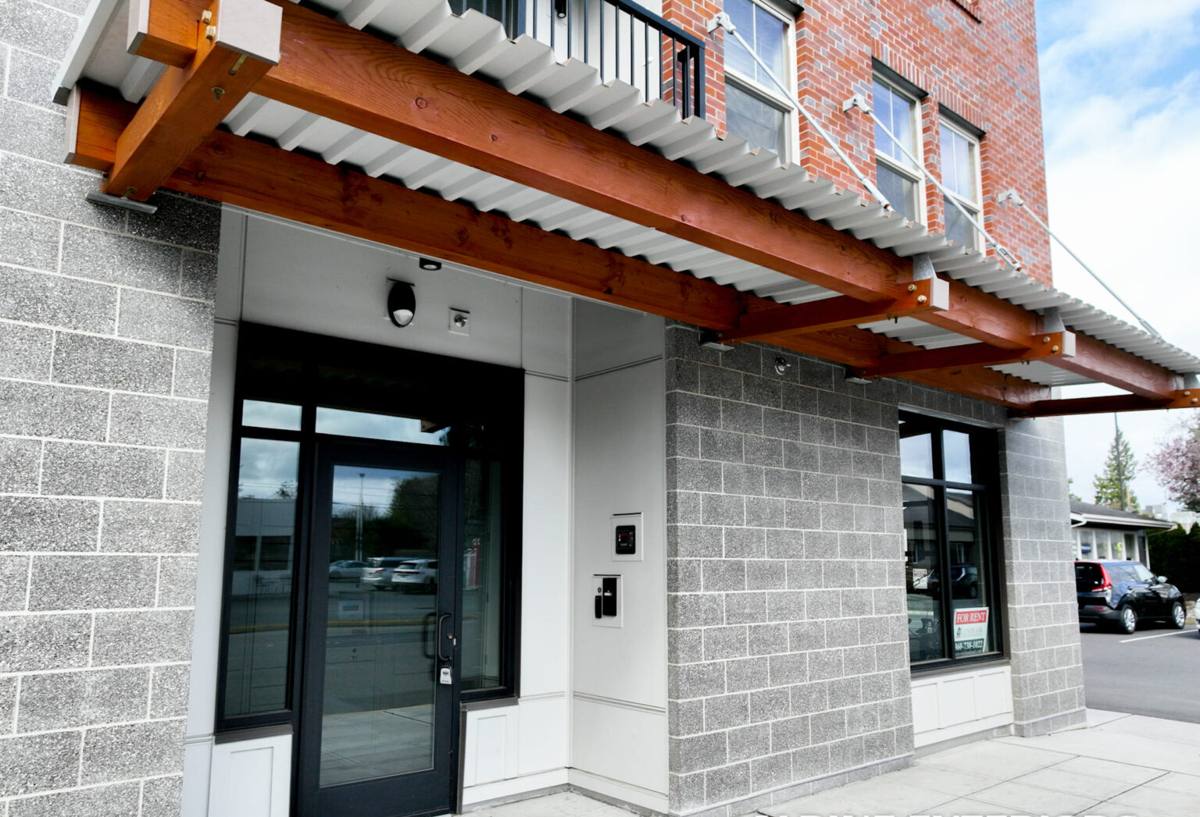
What Salt Air, Rain, and Moss Actually Do to Siding
Salt Air and Corrosion
Airborne salt doesn't just dull a paint finish — it accelerates corrosion on anything metal involved in your siding system: fasteners, flashing, trim caps, and hardware. Once a fastener starts to corrode, it can back out, loosen its grip on the siding panel, or leave a rust streak bleeding down the face of the wall. On homes closer to the water, we see this show up years earlier than it would on an identical house set back from the shoreline.
Driving Rain and Moisture Intrusion
Blaine gets wind-driven rain that hits siding at an angle rather than falling straight down, which pushes water into laps, seams, and butt joints that were never designed to be watertight on their own — that's the job of correct overlap, flashing, and sealant. When those details fail or age out, water tracks behind the siding instead of running off the face of it, and the damage happens where you can't see it until it's advanced.
Moss, Algae, and Prolonged Dampness
North-facing walls, areas under tree cover, and anywhere airflow is blocked hold moisture longer through Whatcom County's wet season. That extended dampness is exactly what moss and algae need to take hold. Beyond the cosmetic staining, a persistent layer of moss keeps the siding surface — and often the water-resistive barrier behind it — wet for longer stretches than the material was ever meant to tolerate.
Signs Your Blaine Home Needs Siding Repair
Most siding problems don't announce themselves. They show up as small details that are easy to write off as cosmetic until they're not. Walk your exterior and look for:
- Soft, spongy, or discolored spots when you press on the siding, especially near the bottom courses
- Rust streaks or corrosion stains running down from fasteners or trim
- Panels that have visibly bowed, cupped, or pulled away from the wall
- Persistent moss or dark streaking that comes back soon after cleaning
- Cracked, gapped, or missing caulk at joints, corners, and window trim
- Peeling or bubbling paint in a localized area rather than across the whole wall
- Water stains or a musty smell on interior walls that back up to exterior siding
- Visible daylight or gaps at siding seams, especially around window and door openings
Any one of these can be a minor fix. Several of them together, or any sign of soft material, usually means water has already gotten behind the siding and the repair needs to address what's underneath, not just what's visible.
What a Correct Repair Job Actually Involves
Diagnose Before You Patch
The most common mistake in siding repair isn't a bad patch — it's patching the wrong problem. Replacing a cracked panel without checking the flashing or water-resistive barrier behind it just re-covers the source of the leak. A repair done right starts with pulling back enough siding to see what's actually happening behind the wall: whether the sheathing is sound, whether moisture has spread beyond the visible damage, and whether the underlying flashing or building paper needs attention too.
Matching Material and Finish
A repair that stands out is a repair that was done fast, not well. Matching the profile, reveal, and finish of the existing siding — including color, if the home has a factory-applied finish — is part of doing the job right. On homes with a baked-on factory finish, this takes more care than field-painted siding, since a mismatched touch-up paint will weather differently than the original finish over time.
Sealing and Flashing Details
Every repair is an opportunity to correct the details that caused the failure in the first place: proper flashing above windows and trim, correct overlap on horizontal laps, and sealant only where it belongs — sealing every seam on lap siding actually traps water rather than letting it drain, which is a common mistake in patch jobs done without attention to how the system is supposed to shed water.
Repair or Replace? How We Help You Decide
| Factor | Points Toward Repair | Points Toward Replacement |
|---|---|---|
| Extent of damage | Isolated to one area or a few panels | Spread across multiple walls or elevations |
| Underlying material condition | Sheathing and framing are sound | Rot or moisture damage found behind the siding |
| Siding material | Sound James Hardie fiber cement with isolated damage | Failing original material (delamination, chronic swelling, or widespread rot) |
| Age of existing siding | Well within its expected service life | Near or past the point where repairs are cost-effective |
| Match availability | Profile and finish can be matched closely | Discontinued profile or finish that can't be matched acceptably |
We'll always tell you honestly which side of that table your home falls on. A lot of Blaine repair calls really are repairs — a section of trim, a few damaged panels, a flashing detail that needs correcting. But if we open up a wall and find the underlying material has been compromised for a while, patching it isn't a favor to you; it's a repair that fails again in a year or two.
Our Repair Process
- Inspection. We look at the damage you called about, and we check the areas around it — corners, trim, and anywhere else water tends to concentrate on a coastal-facing home.
- Diagnosis. If there's any sign moisture reached behind the siding, we open it up enough to confirm the extent before quoting a fix.
- Honest scope. We tell you what's a straightforward repair and what isn't, and why — no upselling a full re-side when a targeted repair will hold.
- Correct materials. We source matching material and hardware rated for coastal exposure, not whatever's convenient.
- The repair. Damaged sections are removed, the substrate and flashing are corrected as needed, and new material is installed to match the existing wall.
- Cleanup and walkthrough. We clean up the work area and walk the repair with you before we call it done.
Why a Crew That Already Works Blaine Matters
Siding repair is a trade where local knowledge shows up in the outcome. A crew that regularly works Blaine knows which elevations take the worst of the wind-driven rain, how fast moss comes back on shaded north walls near the water, and what corrosion on fasteners looks like at six months versus two years in this specific environment. That's the difference between a repair that's cosmetic and one that actually holds up through another wet season.
Being based in Lynden also means we're not making a special trip for a small job. Blaine is part of our regular route through Whatcom County, which keeps response times reasonable and means we're not treating a repair call as a one-off.
The Material We Stand Behind
We install James Hardie fiber cement siding exclusively on new work and full replacements — it's non-combustible, holds up to the coastal moisture cycle better than the alternatives we used to install, and its ColorPlus factory finish is built to handle sun and salt air without the repainting cycle that field-applied finishes need. We do repair whatever siding is already on your home, including Hardie, and we'll tell you plainly if a section is beyond a reasonable patch. When that's the case, we'll walk you through what replacing that section — or the wall — with James Hardie would look like, but there's no pressure attached to a repair call. Plenty of repairs are exactly that: repairs.
Get a Straight Answer on Your Blaine Siding
If you're seeing soft spots, rust staining, recurring moss, or gaps at the seams on a Blaine home, it's worth getting a second set of eyes on it before the next round of coastal storms. We'll give you a free, no-pressure estimate and an honest read on whether it's a repair, and what that repair actually involves — just fill out the form below to get started.