 Lynden Siding
 Why Blaine's Coastal Exposure Changes How a Metal Roof Should Be Built
Blaine sits close enough to the water that homes here deal with a combination most inland Whatcom County properties don't: salt-laden air off the Strait, driving rain that comes in sideways during winter storms, and a moss season that can stretch from October through April. Any one of those is manageable on its own. Together, they're hard on a roof that wasn't detailed with all three in mind.
Metal roofing holds up well against this combination when it's specified and installed correctly, but "metal roofing" isn't one product. The panel profile, coating system, fastener type, and underlayment choice all matter more here than they would on a roof thirty miles inland. We work on homes throughout the Blaine area and treat this as a coastal install, not a generic one.
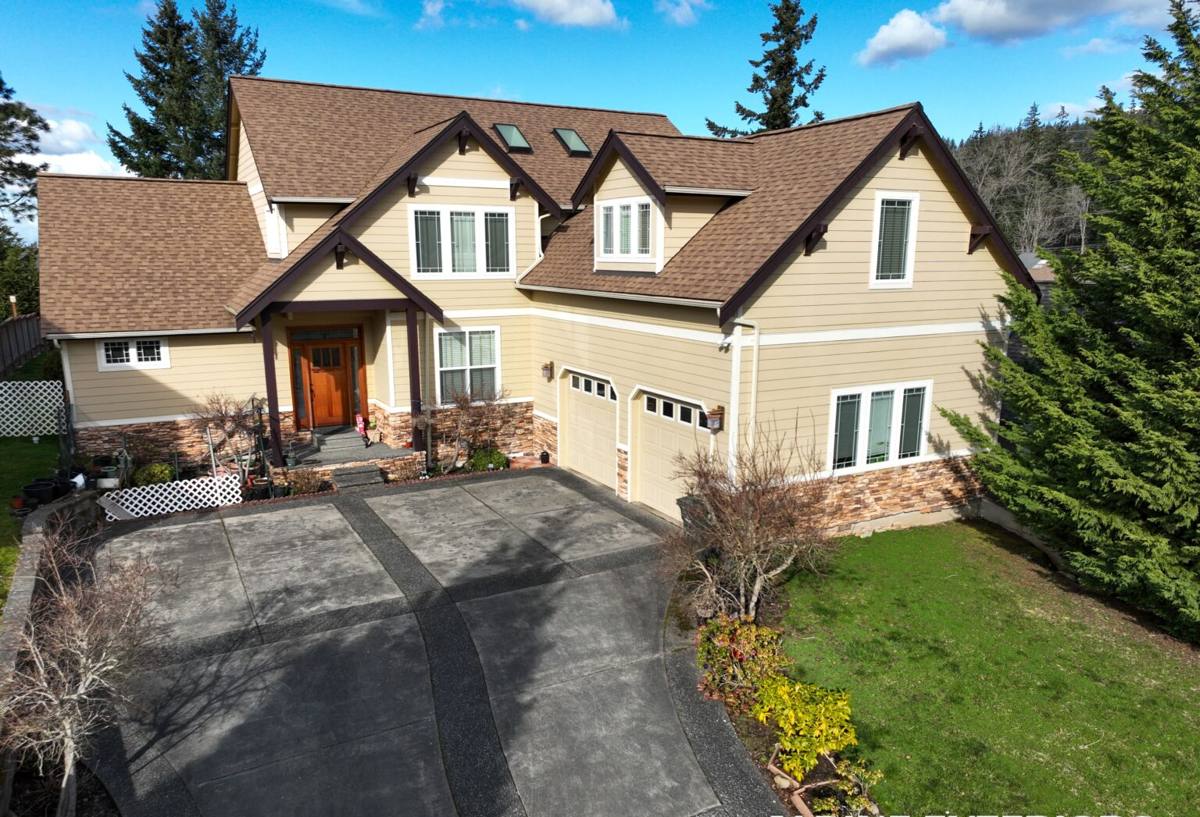
What Salt Air Actually Does to a Roof
Airborne salt is corrosive to unprotected or poorly coated metal. It settles on the roof surface, gets carried by wind-driven rain into seams and fastener heads, and accelerates rust wherever the protective coating is thin, scratched, or was never rated for a marine-influenced environment in the first place. This is a slow process — you won't see damage in year one — but it shows up as premature rust streaking, fastener corrosion, and coating failure years before it should on a roof of that type.
What this means for material choice
- Steel panels need a coating system rated for coastal or marine exposure, not just a standard residential-grade finish
- Fasteners should match the panel's coating chemistry — mismatched metals corrode faster at the contact point
- Aluminum panels are worth considering here specifically because aluminum doesn't rust the way steel does, though it has its own trade-offs in cost and dent resistance
- Cut edges and field-cut panel ends need to be sealed or capped, since bare cut steel is where corrosion starts first
Driving Rain and the Details That Actually Leak
Metal panels themselves rarely leak. Roofs leak at transitions — valleys, penetrations, wall-to-roof intersections, and low-slope sections where wind-driven rain can be pushed uphill against gravity during a real storm. In a location like Blaine, where winter storms bring sustained wind alongside the rain, these transition details carry more of the waterproofing burden than the panels do.
What a correct install addresses
- Self-adhered, high-temperature underlayment at eaves, valleys, and penetrations — not just standard felt
- Closed-cell foam closures at ridges and eaves sized to the actual panel profile, not a generic strip
- Step flashing and counterflashing at every wall intersection, not caulk-only fixes
- Properly lapped and fastened valley metal, since valleys concentrate more water volume than any other part of the roof
- Fastener spacing and torque within the panel manufacturer's spec — overdriven or underdriven screws are a common source of early leaks
Skipping any of these to save labor time is the single biggest reason a metal roof underperforms its expected lifespan in a wet, windy location like this one.
Moss Season and Long-Term Roof Health
Blaine's long, damp season gives moss and algae plenty of time to establish, especially on shaded slopes and north-facing sections. Metal roofing resists moss growth far better than shingles because there's no granular surface for spores to root into, but it isn't immune — moss and organic debris can still accumulate in valleys, around penetrations, and along panel laps where water sits longer.
What keeps a metal roof clean over time
- A panel profile and finish with a smooth, low-friction surface that sheds debris rather than trapping it
- Proper slope and drainage planning so water doesn't pool at transitions
- Keeping overhanging branches trimmed back, since shade and falling debris are what feed moss growth in the first place
- An annual visual check of valleys and gutters — the two spots where organic buildup causes the most trouble
None of this requires the pressure-washing or chemical treatments that shingle roofs often need. That lower maintenance burden is one of the practical reasons homeowners in this area choose metal in the first place.
Metal Roofing Compared to Other Common Options
Homeowners considering a re-roof in the Blaine area usually weigh metal against asphalt composite shingles, since that's the most common existing roof type on homes here. Both are legitimate choices — the right one depends on budget, how long you plan to stay in the home, and how much long-term maintenance you want to take on.
| Factor | Standing Seam / Panel Metal | Asphalt Composite Shingle |
|---|---|---|
| Typical service life | 40-60+ years with correct install | 20-30 years in this climate |
| Salt air resistance | Strong, if coating and fasteners are properly matched | Granule loss accelerated by wind-driven salt spray |
| Moss/algae resistance | High — smooth surface, little for spores to grip | Moderate — granules trap moisture and organic debris |
| Upfront cost | Higher | Lower |
| Wind performance | Excellent when properly fastened | Good, but shingle lift is a recurring coastal issue |
| Maintenance needs | Low — periodic valley/gutter check | Moderate — moss treatment, granule loss over time |
We install and service both, and we'll tell you honestly if metal isn't the right fit for your budget or home — the goal is a roof that performs here, not the most expensive option on the shelf.
What Drives the Cost of a Blaine Metal Roof
Metal roofing costs more upfront than asphalt, and the spread between a basic install and a properly detailed coastal install can be significant. Here's what actually moves the number:
| Cost Factor | Why It Matters Here |
|---|---|
| Panel material (steel vs. aluminum) | Aluminum costs more but skips the rust risk steel carries near salt air |
| Coating/finish grade | Marine-rated finishes cost more than standard residential coatings but last longer here |
| Roof complexity (valleys, penetrations, dormers) | More transitions mean more flashing labor, which is where leaks are prevented |
| Underlayment upgrade | Self-adhered ice-and-water-style underlayment at vulnerable areas adds cost but is not optional in this climate |
| Tear-off vs. overlay | Tear-off reveals deck condition and lets us fix rot before it's covered up again |
| Panel profile choice | Standing seam runs higher than exposed-fastener panel systems but hides fasteners and lasts longer |
We'll walk through these trade-offs during your estimate so you're choosing based on real numbers, not guesswork.
Our Process for Blaine Metal Roofing Projects
- On-site assessment — we look at slope, exposure direction, existing deck condition, and how much wind-driven rain and moss risk your specific roof faces
- Honest material recommendation — panel type, coating grade, and profile based on your home's exposure and budget, not a one-size-fits-all pitch
- Tear-off and deck inspection — we don't install new roofing over hidden rot or soft decking
- Underlayment and flashing detail work — the part of the job that determines whether the roof actually stays dry in a real coastal storm
- Panel installation to manufacturer spec — correct fastener spacing, torque, and closure strips, not shortcuts
- Final walk-through — we show you the completed valleys, flashing, and penetrations before we call it done
What to Ask Before Hiring Anyone for This Job
Metal roofing is unforgiving of a rushed or under-detailed install, and problems often don't show up until year three or four — long after a rushed crew has moved on. Before hiring anyone for a Blaine-area metal roof, ask:
- What coating or finish grade are you specifying, and is it rated for coastal/marine exposure?
- What underlayment goes at the valleys and eaves — standard felt, or a self-adhered high-temp membrane?
- How are penetrations and wall transitions flashed — mechanical flashing, or mostly caulk?
- Are fasteners matched to the panel's coating chemistry to avoid galvanic corrosion?
- Do you regularly work in this specific area, and can you speak to how homes here hold up over time?
- What does the manufacturer's warranty actually cover, and does it require a certified installer?
Why a Crew That Already Works Blaine Matters
A lot of roofing problems in this area trace back to a crew that installs the same way here as they would somewhere dry and inland — same underlayment, same flashing detail, same fastener spec, regardless of exposure. That approach might hold up fine elsewhere in Whatcom County. Near the water in Blaine, it shows up as early corrosion, valley leaks, or moss buildup that a better-detailed roof wouldn't have.
We're a Lynden-based crew that already works this specific area, so we're not guessing at what the salt air, the wind direction, or the moss season will do to a given panel system — we've seen it play out on roofs nearby. That's the difference between a roof that's technically installed and one that's built for where it actually sits.
If you're weighing a metal roof for a Blaine-area home, we're happy to walk the roof with you and give you a straight answer on what it needs — no pressure, no upsell. Reach out for a free estimate using the form below.