 Lynden Siding
 Why Board & Batten Suits Blaine Homes
Board and batten has deep roots along this stretch of the Washington coast — the vertical lines and crisp shadow pattern show up on old farmhouses, waterfront cottages, and newer builds alike around Blaine and the Semiahmoo Bay area. It's a style choice, but it's also a practical one: the vertical boards shed water down and off the wall rather than collecting it in horizontal laps, which matters in a town that sees a lot of driving rain off the Strait of Georgia. Done right, it reads as clean, tailored, and built for the coast. Done wrong — with the wrong material or the wrong fastening — it's one of the faster siding styles to fail.
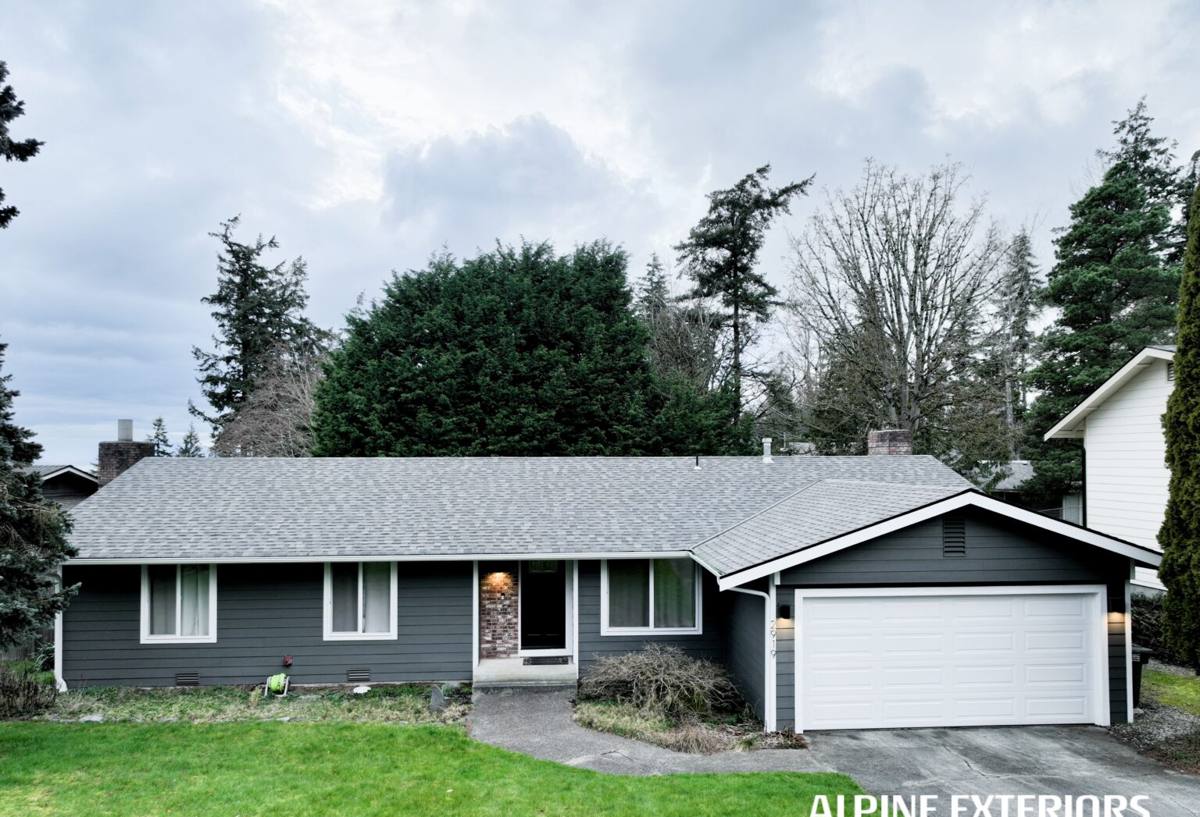
What Blaine's Climate Does to Siding
Blaine sits about as close to salt water and the Canadian border as a Whatcom County home can get, and that location comes with a specific set of stresses on exterior materials.
Salt Air and Corrosion
Airborne salt from Semiahmoo Bay and the Strait doesn't just affect metal railings and hardware — it accelerates the breakdown of paint film, softens wood fiber over time, and speeds up fastener corrosion if the wrong nails or screws were used. Siding within a mile or two of the water takes this hit hardest, but salt-laden wind travels further inland than most homeowners expect.
Wind-Driven Rain
Storms coming off the water don't just fall straight down — they get pushed sideways into wall assemblies, which is exactly the condition board and batten needs to be detailed for. Any gap in flashing, caulking, or panel overlap becomes an entry point.
A Long Moss Season
Whatcom County's wet stretch runs long, and north-facing or shaded walls in Blaine can stay damp for weeks at a time. Moss and algae take hold on any surface that doesn't dry out and shed water efficiently, and once established they hold moisture against the siding face, which is bad news for anything with wood content.
Why We Install Fiber Cement Board & Batten, Not Wood or Vinyl
Board and batten can be built from several materials, and the material matters more with this style than almost any other, because the battens create dozens of extra seams and fastening points where water can get behind the siding.
Wood and Primed Spruce Battens
Traditional wood board and batten looks great on day one, but wood battens in a salt-air, high-moisture climate need frequent repainting and are prone to cupping, splitting, and rot at the fastener points — exactly where board and batten depends on a tight seal. We don't install primed wood siding products for this reason; the maintenance burden in a climate like Blaine's is significant and the failure points are predictable.
Vinyl Board & Batten
Vinyl board and batten is low-maintenance in the sense that it doesn't need paint, but it's a thin material that can crack in cold snaps, deform in direct sun, and it doesn't hold a factory finish the way fiber cement does over decades of salt and UV exposure. We don't install vinyl siding.
Fiber Cement
Fiber cement holds its shape, doesn't rot, is non-combustible, and takes a factory-applied finish that's engineered to hold color and resist the kind of moisture cycling Blaine sees. It's the only material we put behind our name for board and batten work.
| Material | Moisture Behavior | Maintenance | Typical Lifespan Locally |
|---|---|---|---|
| Wood / Primed Spruce | Absorbs water at cut ends and fasteners; prone to swelling and rot | Repaint every 3-7 years, caulk checks yearly | 15-25 years with upkeep |
| Vinyl | Doesn't rot, but can warp/crack and trap moisture behind panels | Low, but panels aren't repairable individually in most cases | 20-30 years, color fades sooner |
| Fiber Cement (James Hardie) | Engineered for moisture cycling; won't rot or swell | Occasional wash, inspect caulk joints | 30-50 years with ColorPlus finish |
What a Correct Board & Batten Installation Involves
Board and batten has more seams than lap siding, so the install details carry more weight. A crew that rushes this style is setting up the exact moisture problems Blaine's climate is quick to find.
Rainscreen Gap
We install with a furring strip or rainscreen system behind the panels wherever conditions call for it, creating an air gap that lets any moisture that does get past the surface drain and dry out instead of sitting against the wall sheathing. This matters more in a driving-rain climate than in a dry one.
Panel Layout and Batten Fastening
Vertical panels get fastened first, then battens are set over the panel joints — spacing and fastener placement need to hit blocking or framing consistently, not just the panel face, or the battens work loose over time as wood framing moves seasonally.
Flashing at Every Transition
Windows, doors, roof lines, and the bottom termination of the siding all need proper flashing and z-flashing details. This is where wind-driven rain finds weak installs, and it's not visible once the job is finished — it has to be right the first time.
Fastener and Caulk Selection
Corrosion-resistant fasteners and a quality, paintable sealant rated for coastal exposure matter here. Cheap fasteners are one of the more common causes of streaking and staple/nail pop that shows up a few years into a coastal install.
James Hardie Products We Use for This Style
We install James Hardie fiber cement exclusively, and for board and batten that generally means HardiePanel vertical siding paired with Hardie batten trim, finished in a factory-applied ColorPlus coating. The ColorPlus finish is baked on and warrantied against fading and chipping in a way field-applied paint isn't, which matters when a home is facing sun, salt, and rain in the same season. Hardie's HZ5 product line is engineered for the wetter, more variable climate zones the Pacific Northwest falls into, which is a meaningfully different formulation than what's sold in dry inland regions.
Our Process, Start to Finish
- On-site walkthrough of the existing walls, trim, and any moisture or rot found during removal
- Confirming layout, batten spacing, and color/finish selection with the homeowner
- Removing old siding and inspecting sheathing for hidden damage before anything new goes up
- Installing water-resistive barrier, rainscreen furring where called for, and flashing at all penetrations
- Installing HardiePanel and battens to manufacturer fastening specs
- Final caulk, trim, and a walkthrough with the homeowner before we call the job done
Maintenance in Blaine's Salt Air and Moss Season
Fiber cement board and batten is low-maintenance compared to wood, but "low-maintenance" isn't "no-maintenance" in a coastal, moss-prone town. A little seasonal attention goes a long way:
- Rinse siding once or twice a year, more often on north-facing or shaded walls where salt and moss build up faster
- Check caulk joints around windows, doors, and batten seams annually for cracking or separation
- Trim back vegetation and tree cover that keeps walls shaded and damp longer than necessary
- Keep gutters clear so runoff isn't sheeting down the siding face during storms
- Address any moss growth promptly rather than letting it establish and hold moisture against the surface
Cost Factors for Board & Batten in Blaine
Every home is different, but a few factors consistently move the price on a board and batten project in this area:
| Factor | Why It Matters |
|---|---|
| Home size and wall complexity | More corners, dormers, and trim details mean more batten seams and labor |
| Existing siding removal and sheathing condition | Rot or damage found underneath old siding adds repair scope before new siding goes on |
| Rainscreen/furring system | Adds material and labor but pays off in moisture performance on exposed, wind-driven-rain walls |
| Trim and finish selections | Batten width, corner treatments, and ColorPlus color all factor into material cost |
We give straightforward, itemized estimates so homeowners can see exactly what's driving the number rather than a single lump figure.
Why Hire a Crew That Already Works in Blaine
Board and batten installed to a generic spec sheet doesn't always account for what a specific location needs. A crew that already works siding jobs in and around Blaine has seen firsthand which walls take the worst of the wind off the water, where moss builds up fastest, and how salt exposure plays out differently a block from the shoreline versus further inland in Whatcom County. That local pattern recognition shows up in the small decisions — where to add extra flashing, whether a rainscreen gap is worth it on a given wall, which fastener spec holds up — that separate a board and batten job that looks good for one season from one that holds up for decades.
If you're weighing board and batten for a home in Blaine, we're happy to walk the property, talk through what your specific walls are up against, and put together a free, no-pressure estimate using the form below.