 Lynden Siding
 New Roof Installation for Aldergrove, Serviced by a Lynden Crew
Aldergrove sits just north of the border on the Guide Meridian corridor, close enough to Lynden that a lot of the homes here were built by the same era of contractors, using the same materials, facing the same weather. When it comes time to replace a roof, that proximity matters. A crew that already works this stretch of the border regularly understands the wind exposure, the rainfall patterns, and the moss pressure that define roofing here — not as a generic Pacific Northwest description, but as the specific conditions your roof deals with every winter.
This page covers what a correct new roof installation looks like for an Aldergrove home: what the local climate demands, what goes into the job beyond just laying new shingles, and what to look for in a contractor before you sign anything.
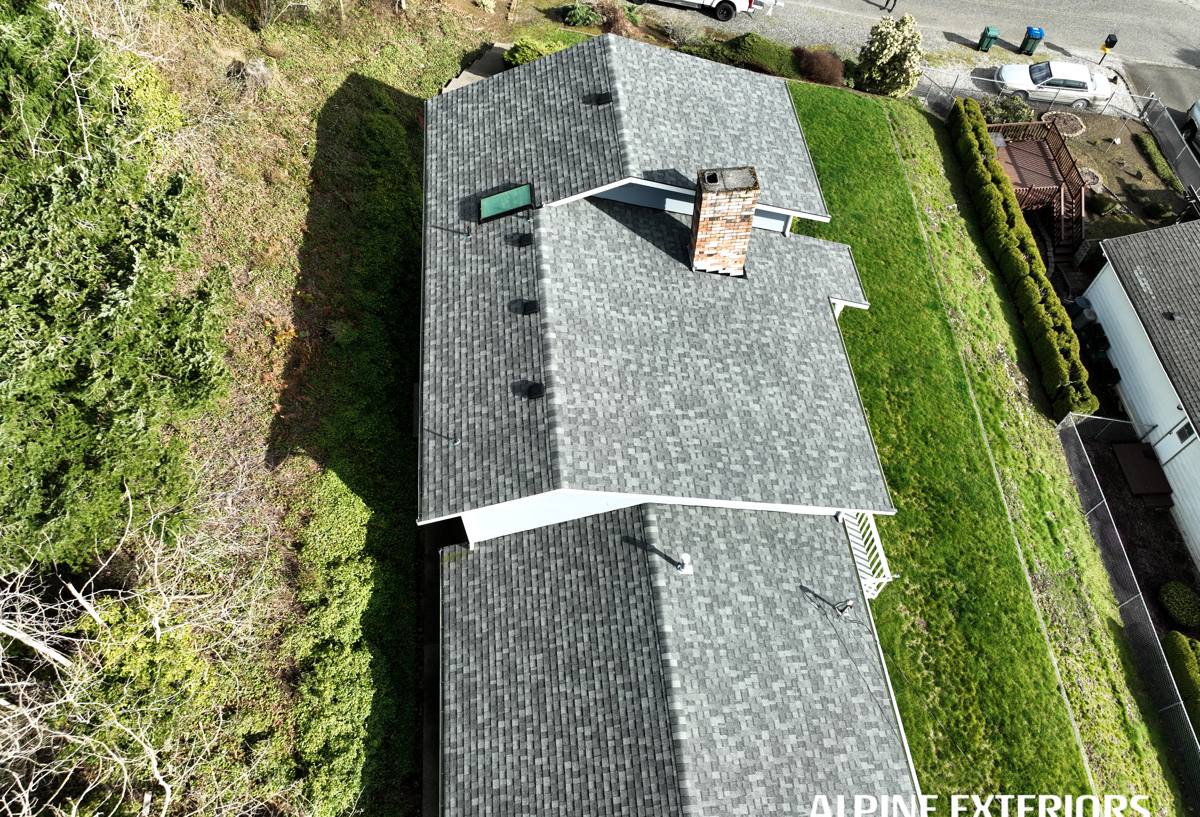
What the Local Climate Does to a Roof
Whatcom County and the Fraser Valley share a climate that's harder on roofs than most homeowners realize until something fails. Three factors do most of the damage over time.
Driving Rain
This isn't a light-drizzle climate. Storms come through with real wind behind them, driving rain sideways under shingle edges, around flashing, and into any gap that a rushed installation left open. A roof that's merely "watertight when it's calm" isn't good enough here — the details that matter are the ones built to handle rain moving horizontally, not just falling straight down.
A Long Moss Season
Between the moisture and the shaded, tree-lined lots common around Aldergrove and Lynden, moss has a long growing window — often close to eight or nine months out of the year. Moss isn't just cosmetic. It holds water against the roof surface, lifts shingle edges as it grows, and works its way into fastener lines. A roof that isn't detailed and maintained with moss in mind will age faster than the shingle's rated lifespan suggests.
Salt-Laden Marine Air
Air moving inland off the Salish Sea carries salt that accelerates corrosion on exposed metal — flashing, fasteners, vents, and gutter hardware. Lower-grade metal components can start showing pitting and rust well before the shingles themselves are due for replacement, which is why material choice on the metal components matters as much as the shingle brand.
Signs Your Roof Needs Replacement, Not Another Repair
Not every roof problem calls for a full tear-off. But there's a point where patching becomes false economy. Common signs it's time for a new roof rather than another repair visit:
- Granule loss heavy enough that you're finding grit in the gutters every season
- Shingles that are cupping, curling, or cracking across large sections rather than in one isolated spot
- Moss or algae staining that keeps returning within a year of cleaning
- Daylight visible through the roof deck from inside the attic
- Repeated leaks in different locations, rather than one recurring spot
- A roof approaching or past 20-25 years old, regardless of visible damage
- Soft or spongy spots underfoot when walking the roof, indicating deck rot
If you're only dealing with one or two of these, a repair may still make sense. If several apply at once, a repair is usually just delaying an installation you're going to need anyway — often at higher cost once collateral damage to decking or interior framing sets in.
What a Correct Installation Actually Involves
A new roof is more than removing old shingles and nailing down new ones. The parts most homeowners never see are the parts that determine whether the roof performs for its full rated life in this climate.
Tear-Off and Deck Inspection
A full tear-off exposes the roof deck, which is the only real opportunity to find rot, soft spots, or water damage that's been hidden under the old roofing. Any damaged sheathing gets replaced before anything new goes down — installing over a compromised deck just hides the problem for the next owner to find.
Underlayment and Water-Entry Protection
Given how much wind-driven rain this area sees, the underlayment layer isn't a place to cut corners. Self-adhering ice-and-water membrane at eaves, valleys, and around penetrations gives a secondary barrier where wind-driven water is most likely to force its way past the shingle surface.
Flashing
Flashing around chimneys, skylights, walls, and roof-to-roof transitions is where the majority of leaks actually originate — not in the open shingle field. Correct flashing means new material, properly lapped and integrated with the underlayment, not old flashing reused to save time.
Ventilation
Balanced intake and exhaust ventilation keeps the attic space dry and temperature-regulated. Poor ventilation traps moisture, which speeds up deck rot from underneath and contributes to premature moss and algae growth on the shingle surface from above.
Choosing a Roofing Material for This Climate
There's no single "best" roofing material — the right choice depends on your budget, your roof's exposure to shade and moisture, and how long you plan to own the home. Here's how the common options compare for this specific climate:
| Material | Moss/Algae Resistance | Wind & Rain Performance | Typical Lifespan | Maintenance |
|---|---|---|---|---|
| Architectural asphalt shingle (algae-resistant) | Good, with copper/zinc granules built in | Strong when properly fastened and flashed | 25-30 years | Periodic moss removal, gutter clearing |
| Standard 3-tab asphalt shingle | Fair; more prone to moss without added treatment | Lower wind rating than architectural | 15-20 years | More frequent moss/algae attention |
| Metal roofing (standing seam) | Excellent; sheds moisture, little surface for moss to grip | Very strong against wind and driving rain | 40-50+ years | Low; occasional fastener/seam check |
| Cedar shake | Poor without diligent upkeep; retains moisture | Moderate; depends heavily on installation quality | 20-30 years with maintenance | High; regular treatment needed |
For most Aldergrove-area homes, an algae-resistant architectural shingle is the practical middle ground — solid wind performance, manageable maintenance, and a lifespan that fits typical ownership timelines. Metal is worth serious consideration on homes with heavy tree cover or steep, hard-to-access roofs where reducing maintenance visits has real value. We don't recommend cedar shake in this climate as a primary roofing material — not because it's a bad product, but because the moisture retention and upkeep demands are a poor match for a long moss season, and we'd rather be upfront about that trade-off than sell a product that will disappoint you in five years.
Our Installation Process
- On-site inspection and honest assessment of whether you need a repair or a full replacement
- Written estimate covering material options, scope of work, and timeline
- Scheduling that accounts for weather windows — we don't install in conditions that compromise the seal
- Full tear-off and deck inspection, with any rot or damage flagged before covering it back up
- New underlayment, ice-and-water protection, and flashing installed to current standards
- Shingle or material installation per manufacturer specification, including proper ventilation components
- Final walkthrough and cleanup, including magnetic sweep for stray fasteners
Why a Crew That Already Works Aldergrove Regularly Matters
Roofing work that crosses the border isn't complicated, but it does mean dealing with logistics that a purely local Lynden or purely local Aldergrove crew might not think about day to day — coordinating material delivery, scheduling around border crossing times, and carrying insurance that actually covers work on both sides. A crew that does this regularly has that sorted out before your project starts, rather than figuring it out mid-job.
There's also a practical familiarity that comes from working the same corridor repeatedly: knowing which roof exposures in the area take the worst of the wind off open fields, which lots hold shade and moisture longest, and what that means for how a roof should be detailed. That's the kind of knowledge that only comes from doing the work here, not from a general roofing checklist.
Questions to Ask Before You Hire a Roofing Contractor
- Are you licensed and insured, and can you provide proof before work starts?
- Will you provide a written estimate that breaks down materials and labor, not just a lump sum?
- Do you replace damaged decking as part of the base scope, or is that a separate change order?
- What underlayment and flashing materials are you using, and why?
- What's the manufacturer's warranty, and is it tied to certified installation?
- Do you carry references or completed work you can point to in this area?
- What's your plan if weather interrupts the job partway through?
A contractor who answers these plainly, without dodging or padding the numbers, is usually the one worth hiring. If a bid comes in well below everyone else's, ask what's being left out — underlayment, flashing, and deck repair are the first things cut corners hide.
If your Aldergrove home is due for a new roof, we're happy to take a look and give you a straight answer — whether that's a full replacement or just a targeted repair. Use the form below to request a free, no-pressure estimate.