 Lynden Siding
 Roofing in Laurel Isn't the Same as Roofing Inland
Laurel sits in that stretch of Whatcom County where marine air off the Sound mixes with the wetter, cooler microclimate that runs along the Nooksack lowlands toward Lynden. That combination is harder on a roof than most homeowners realize. Salt-tinged moisture in the air accelerates the breakdown of exposed fasteners and metal flashing. Driving rain, pushed sideways by wind off open fields and water, finds its way under shingles that were installed to a "good enough" standard rather than a correct one. And the long stretch of gray, wet months from October through April gives moss and algae months of uninterrupted growing time on any roof that doesn't get airflow or sunlight.
None of this means asphalt shingle roofing is a bad choice here — it's still the most practical, cost-effective option for the vast majority of homes in the area. It means the installation details that get skipped elsewhere can't get skipped here, and the roof needs a maintenance rhythm that matches the climate it's actually sitting in.
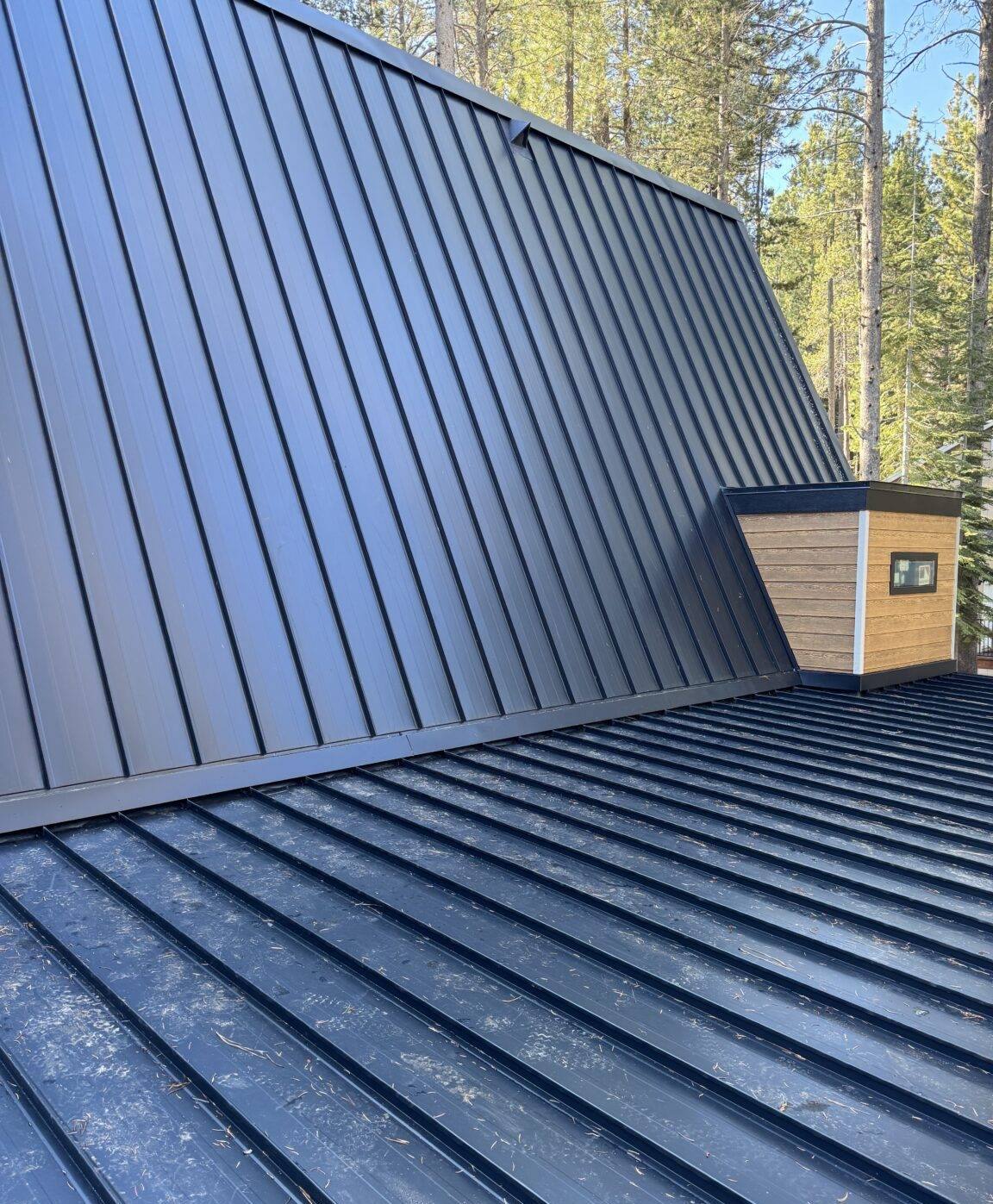
What Correct Installation Looks Like on a Laurel Roof
Asphalt shingles are a mature, well-understood product. Almost all shingle roof failures we get called out to inspect aren't a shingle problem — they're an installation or ventilation problem that the shingle eventually exposes. A correct job for this climate includes:
- Ice-and-water shield at eaves and valleys — not just where code minimums require it, but everywhere wind-driven rain is likely to back up under the shingle course.
- Synthetic underlayment rated for high-moisture climates, lapped and fastened so it sheds water even if a shingle is lifted by wind before it's ever noticed.
- Starter strip at every eave and rake, not cut shingles turned upside down — this is one of the most common corners cut on lower-bid jobs and it directly affects wind resistance.
- Correct nail count and placement per the manufacturer's high-wind pattern, driven flush (not overdriven, not proud) into the nailing zone.
- Step and counter-flashing at every wall intersection, chimney, and skylight, tied properly into the underlayment rather than caulked over the top of it as a shortcut.
- Balanced intake and exhaust ventilation, sized to the attic volume — this is the single biggest factor in whether moss and premature granule loss show up in year three instead of year fifteen.
Every one of those items is invisible once the roof is finished. That's exactly why they matter — nobody checks them again until there's a leak.
Why Ventilation Deserves Its Own Mention
An asphalt shingle roof with poor attic ventilation runs hotter in summer and stays damper in winter. In a climate like Whatcom County's, the damp side of that equation is the bigger risk. Trapped moisture in the attic condenses on the underside of the roof deck, feeds mold and rot from the inside, and keeps the shingle surface cooler and wetter than it should be — which is exactly the condition moss and algae need to establish themselves. A roof can be installed with premium shingles and still underperform badly if the ridge and soffit vents weren't sized or balanced correctly.
Signs a Laurel Roof Needs Attention
Most roofing problems in this area show up gradually, not as a sudden leak. Homeowners who catch these early save money on the eventual repair or replacement:
- Granules collecting in gutters or at downspout outlets — a sign the shingle surface is wearing faster than it should
- Dark streaking or green-black patches, especially on the north-facing or shaded slopes
- Moss clumps at shingle edges, ridges, or valleys — moss holds moisture against the shingle and lifts tabs as it grows
- Curling, cupping, or cracked shingle tabs, particularly on older or south/west-facing slopes that see more sun and heat cycling
- Soft or spongy spots underfoot on a walked inspection, or sagging visible from the ground
- Rust staining or gaps at flashing points around chimneys, skylights, and wall intersections
- Daylight visible through the roof deck from inside the attic
- Interior ceiling stains, especially ones that appear or grow after a windy rainstorm rather than steady rain
Any one of these on its own isn't necessarily an emergency, but they're worth a professional look rather than a wait-and-see approach — moss and trapped moisture problems compound quickly through a wet Whatcom County winter.
Choosing the Right Shingle for This Climate
Not every asphalt shingle product performs the same way under constant damp and moss pressure. We steer most Laurel homeowners toward a mid-to-upper tier architectural shingle with algae-resistant granules, and we're upfront about why:
| Shingle Type | How It Handles This Climate | Trade-Offs |
|---|---|---|
| Standard 3-tab | Adequate wind rating when installed correctly; lower upfront cost | Thinner profile wears and shows algae staining sooner; shorter warranty life |
| Architectural (laminated) shingle | Heavier mat, better wind and impact resistance, longer warranty | Higher material cost; still needs algae-resistant granules to fully resist moss/streaking |
| Algae-resistant (AR) granule option | Copper- or zinc-infused granules actively slow algae and moss growth | Slight cost premium over standard granules; not a substitute for ventilation and sun exposure |
| Premium/designer laminate | Best appearance and longest manufacturer warranty | Higher cost may not be justified on homes planning to sell in the near term |
Our default recommendation for most Laurel homes is an architectural shingle with algae-resistant granules — it's the point where the cost premium over standard 3-tab is modest, but the resistance to the area's biggest long-term threat (moss and algae staining) is meaningfully better. We don't push the top-tier designer lines on every job; if a roof is on an outbuilding, a rental, or a home where budget is the driver, a solid mid-tier shingle installed correctly will outperform a premium shingle installed poorly.
What Actually Drives the Cost
Every roof is different, so we don't quote from a price list — but the factors that move the number are consistent, and it's worth understanding them before you're comparing bids:
| Factor | Why It Matters |
|---|---|
| Roof size and number of facets | More valleys, dormers, and hips mean more flashing detail and labor time |
| Pitch and access | Steeper roofs and difficult access (limited driveway space, tall second stories) increase labor and equipment needs |
| Tear-off vs. overlay | A full tear-off costs more upfront but is the only way to inspect and fix the deck underneath — we don't recommend overlays in this climate |
| Decking condition | Rot or soft spots found once old shingles come off need to be replaced before new roofing goes down |
| Shingle tier chosen | Material cost scales from standard 3-tab up through premium laminate lines |
| Ventilation and flashing upgrades | Bringing older ventilation up to a proper intake/exhaust balance adds some cost but protects the investment |
As a very general sense of scale, most single-family asphalt shingle roof replacements in this area land somewhere in the low-to-mid five figures, with plenty of variation in either direction depending on the factors above. We'll give you an exact number, in writing, after we've actually looked at your roof — not a phone estimate based on square footage alone.
How Our Process Works
- On-site inspection. We get on the roof (not just a ground look) and check the deck, flashing, ventilation, and current shingle condition before quoting anything.
- Written estimate. You get a clear breakdown of scope, materials, and price — no vague allowances that turn into change orders later.
- Material selection. We walk through shingle options and colors based on your home, your budget, and how long you plan to stay in it.
- Tear-off and deck inspection. Old roofing comes off completely so we can see and repair any deck damage before anything new goes down — this step is where hidden problems get caught, not created.
- Underlayment, flashing, and shingle installation. Done to manufacturer spec and the wind/moisture standard this climate actually requires, not the code minimum.
- Ventilation check and correction. Intake and exhaust are balanced as part of the job, not treated as an upsell.
- Cleanup and magnetic sweep. Yard, driveway, and gutters are cleared of debris and stray nails before we consider the job done.
- Final walkthrough. We go over the finished roof with you, explain what was done, and answer questions before we leave.
Moss, Algae, and the Long Wet Season
Whatcom County's wet season isn't a monthly event here — it's most of the calendar year. That's the single biggest maintenance factor for any asphalt shingle roof in Laurel. A few practices make a real difference over the life of the roof:
- Keep overhanging tree limbs trimmed back so roof surfaces get sun and air movement, especially on north-facing slopes
- Have gutters cleaned at least twice a year so water isn't backing up under the eave line
- Consider zinc or copper strips at the ridge on moss-prone roofs — rain washing over them carries a mild anti-moss effect down the slope
- Avoid pressure washing shingles directly; it strips granules and shortens shingle life faster than the moss it's meant to remove
- Have a professional moss removal done with proper technique (soft brushing, downward strokes, no high-pressure spray) rather than DIY methods that can lift or damage tabs
These are maintenance items, not substitutes for correct installation — a well-ventilated, properly flashed roof with algae-resistant shingles will still need occasional attention in this climate, just far less of it.
Why a Crew That Already Works Laurel Matters
Roofing crews that mostly work drier inland climates sometimes underestimate what a Whatcom County winter does to a roof over time. A crew that already works Laurel and the surrounding Lynden area knows which slopes on a typical local roof hold moss longest, how much ventilation a given attic actually needs given the area's humidity, and which flashing details tend to fail first on homes exposed to wind coming off open fields or water. That local pattern recognition shows up in fewer callbacks and a roof that's built for the conditions it will actually face, not a generic spec sheet.
It also matters for the practical side of the job — knowing local permitting requirements, being available for a warranty check or storm-damage inspection without a long drive, and having a reputation in the community that's actually earned through repeat work, not just advertising.
Get a Straight Answer About Your Roof
If your roof is showing moss, granule loss, or you're just not sure how much life is left in it, the best next step is a straightforward, no-pressure inspection. We'll tell you honestly whether you're looking at a repair, a few more years of monitoring, or a full replacement — and give you a written estimate to go along with it. Use the form below to request a free estimate for your Laurel home.