 Lynden Siding
 Asphalt Shingle Roofing Built for Everson's Weather
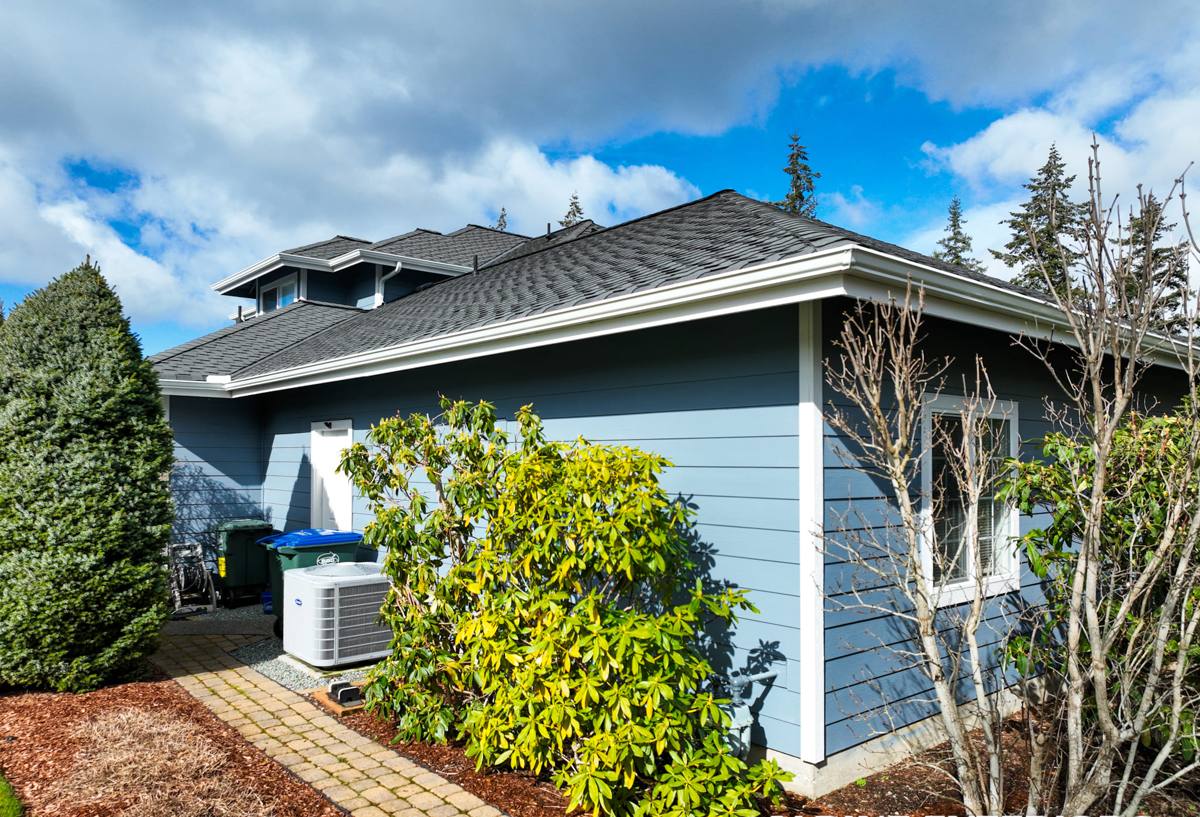
Everson sits close enough to the water and low enough in the Nooksack valley that its roofs take a different kind of beating than roofs twenty miles inland. Homes here deal with salt-laden air moving up from Bellingham Bay, long stretches of driving rain that comes in sideways during fall and winter storms, and a moss season that can run eight or nine months out of the year in shaded, north-facing roof sections. Asphalt shingles remain the most practical roofing material for most Everson homes when they're installed and detailed correctly for these conditions — but "correctly" is doing a lot of work in that sentence, and it's where most of the roofing problems we get called out to fix actually started.
This page covers what asphalt shingle roofing should look like on an Everson home specifically: the underlayment and ventilation choices that matter here, how we handle moss and moisture, and what a proper installation or repair actually involves from start to finish.
Why Everson's Climate Changes the Job
Salt Air and Metal Fatigue
Salt-laden moisture doesn't just affect coastal properties right on the water — prevailing winds carry it inland and it settles on every exposed metal component on a roof: flashing, nail heads, vent stacks, gutter hardware. Over years, standard fasteners and thin flashing can corrode faster here than they would on a roof further inland. We spec corrosion-resistant fasteners and flashing on Everson jobs as a standard, not an upgrade, because replacing rusted flashing under a shingle roof means tearing into the roof again.
Driving Rain and Wind-Driven Water
Storms coming off the water don't just drop rain straight down — wind pushes it sideways and up under shingle tabs, especially at eaves, rakes, and any roof-to-wall transition. A shingle roof that would perform fine in a calmer climate can leak here if the underlayment, ice-and-water membrane placement, and shingle sealing weren't done with wind-driven rain specifically in mind.
Moss and Shade
Whatcom County's tree cover and long wet season mean moss isn't a cosmetic nuisance — it's a moisture-retention problem. Moss holds water against the shingle surface long after the rest of the roof has dried, which accelerates granule loss and, over time, lets moisture work its way under shingle edges. North-facing slopes and roof sections shaded by trees are the areas we check first on any Everson inspection.
What a Correct Installation Actually Involves
A shingle roof is a system, not a single product. Every layer matters, and skipping or shortcutting one layer is usually where the eventual leak comes from.
- Deck inspection and repair — any soft, rotted, or delaminated sheathing gets replaced before anything else goes down. Roofing over a bad deck just hides the problem temporarily.
- Ice-and-water shield at vulnerable points — eaves, valleys, and roof-to-wall intersections get a self-adhering waterproof membrane, not just felt or synthetic underlayment, because these are the spots wind-driven rain targets first.
- Synthetic or felt underlayment across the full field — this is the roof's backup layer if a shingle ever gets compromised. It should be lapped correctly, not just stapled down quickly.
- Proper flashing at every penetration and transition — chimneys, skylights, plumbing vents, and sidewall intersections need step flashing or counter-flashing sized and installed for the specific detail, not a generic patch.
- Balanced attic ventilation — intake at the eaves and exhaust at the ridge, sized to move air through the attic. Without this, moisture from inside the home condenses on the underside of the deck and rots it from below, regardless of how good the shingles are.
- Correct nailing pattern and shingle exposure — every shingle manufacturer specifies nail placement and count for a reason; it's what keeps shingles sealed down in wind. Rushed installs miss this constantly.
- Starter strip and ridge cap detailing — these finishing pieces are the first place wind gets a foothold if they're installed with off-the-shelf shingles instead of purpose-made starter and ridge products.
Choosing the Right Shingle for an Everson Roof
Not every asphalt shingle line handles this climate the same way. We generally steer Everson homeowners toward algae-resistant, higher-wind-rated shingle lines and away from budget-tier products that trade long-term performance for a lower upfront price. That's a judgment call based on maintenance burden and moisture behavior over the life of the roof — not a claim that cheaper shingles are defective, just that they carry more risk in a climate this wet and shaded.
| Shingle Type | Typical Lifespan | Best Fit for Everson |
|---|---|---|
| 3-tab economy | 15-20 years | Lower upfront cost; less wind and algae resistance for a climate that tests both |
| Architectural/laminate | 25-30 years | Better wind rating and thicker profile; our standard recommendation for most homes here |
| Algae-resistant architectural | 25-30 years | Copper-infused granules resist the moss/algae staining common on shaded Whatcom County roofs |
| Premium/designer laminate | 30+ years | Higher upfront cost; best for steep-slope, highly visible roofs where longevity and appearance both matter |
Moss: Prevention Beats Removal
Once moss has established itself on a shingle roof, scraping it off can do more damage than leaving it, since moss roots work into the granule layer. The better approach is preventing heavy growth in the first place and managing it gently where it exists.
- Zinc or copper strips installed near the ridge let rainwater carry trace metal down the roof slope, which discourages moss growth over time.
- Keeping overhanging branches trimmed back reduces both shade and the constant leaf/needle debris that holds moisture against shingles.
- Soft washing (low-pressure, not power washing) removes surface moss and algae without stripping granules the way pressure washing does.
- Clear gutters and downspouts prevent standing water from backing up under the lowest course of shingles.
Repair, Re-Roof, or Full Tear-Off?
Not every roof problem in Everson needs a full replacement, but plenty get treated that way by contractors who'd rather sell a bigger job. Here's how we actually think about it:
Repair Makes Sense When:
The roof is under 15 years old, the deck is sound, and the issue is localized — a damaged flashing detail, a section of wind-lifted shingles, or an isolated leak. Most storm damage and moss-related granule loss in a specific area falls into this category.
Full Replacement Makes Sense When:
Shingles are past their rated lifespan across the whole roof, there's widespread granule loss or curling, the deck has moisture damage in multiple areas, or you're seeing recurring leaks in different spots each year. At that point, patching individual failures is just delaying one larger job and paying for it in pieces.
Our Process for Everson Homeowners
- On-site inspection — we get on the roof (weather permitting) and check the deck, flashing, ventilation, and shingle condition, not just a ground-level look with binoculars.
- Written estimate — a clear scope of work and price, spelling out what's being replaced, what underlayment and flashing are included, and the shingle line being used.
- Material delivery and site protection — landscaping, siding, and gutters get protected before tear-off starts.
- Tear-off and deck inspection — old roofing comes off, and we stop to address any deck damage found before moving forward.
- Underlayment, flashing, and shingle installation — done to manufacturer spec, not shortcut for speed.
- Cleanup and final walk-through — magnetic sweep for nails, debris hauled off, and a walk-through so you can see the finished work before we consider the job done.
Why Local Experience Matters Here
A roofing crew that mostly works dry-climate jobs or comes from outside Whatcom County doesn't automatically know which roof details matter most in Everson. We work this area regularly, which means we already know which slopes tend to hold moss, where wind-driven rain causes the most trouble, and how salt air affects fastener and flashing choices over time. That local pattern recognition is part of what keeps a roof performing right through its warranty period, not just on install day.
Signs Your Everson Roof Needs Attention
- Granules collecting in gutters or at downspout outlets
- Dark streaking or thick moss growth, especially on north-facing slopes
- Curling, cupping, or cracked shingles
- Daylight visible through the attic roof deck
- Water stains on interior ceilings, especially after wind-driven storms
- Shingles missing or lifted after a windstorm
If you're seeing any of these signs, or it's simply been a while since your roof was last inspected, we're happy to take a look. We offer free, no-pressure estimates for Everson and Lynden homeowners — just fill out the form below and we'll get a look scheduled.