 Lynden Siding
 Why Deming Decks Wear Out Faster Than the Rest of the House
Deming sits in the wetter, greener stretch of Whatcom County, and a deck out here does not fail the way one does in a dry climate. It fails from the ground up and from the top down at the same time. Rain soaks into end grain and fastener holes for months at a stretch, moss and algae build a spongy layer on any surface that does not shed water fast, and salt-laden air moving in off the Sound accelerates corrosion on anything less than a properly rated fastener. None of this is dramatic on its own. It is slow, and that is exactly why so many decks in this area look fine from the porch steps and turn out to be structurally compromised underneath.
A deck replacement done for this region has to plan around that reality from the first footing to the last board, not just swap old lumber for new lumber in the same footprint.
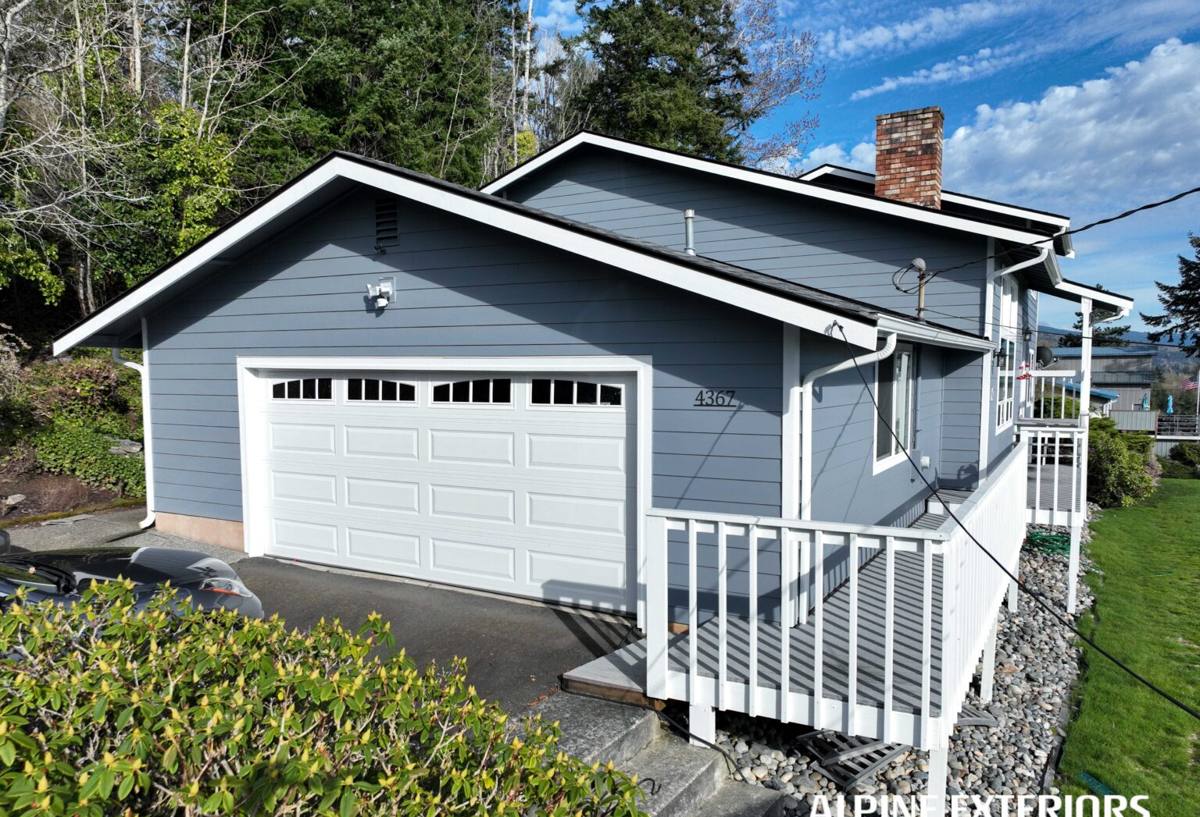
Repair, Resurface, or Full Replacement — How to Tell
Not every tired-looking deck needs to come out entirely. But in our experience working this area, homeowners often get quoted a resurface when the framing underneath is the actual problem, or told they need a full teardown when the issue is really just the boards. A few honest markers:
- Soft or spongy decking that flexes underfoot, especially near board ends — usually means rot has already started, not just surface weathering.
- Rust streaks or dark staining around fasteners — a sign the fastener is corroding faster than the wood around it, which is common with this area's moisture and air exposure.
- Ledger board separation or gapping where the deck meets the house — this is a structural issue, not cosmetic, and it's the single most common cause of deck collapse.
- Persistent moss or algae film that returns within weeks of cleaning — points to poor drainage or spacing in the structure, not just a surface-cleaning problem.
- Wobble in the posts or railings — often means the footings have shifted or were undersized to begin with.
If the framing, footings, and ledger connection are sound and only the decking surface has degraded, a resurface can make sense. Once rot or corrosion has reached the structural members, replacement is the honest recommendation — patching a compromised frame just delays the real cost and adds risk in the meantime.
What a Correct Deck Replacement Actually Involves
Demolition and Structural Inspection
We don't just pull decking boards and call the frame "reusable." Every replacement starts with pulling the surface material and inspecting the joists, beams, posts, and footings underneath — this is where hidden rot from years of trapped moisture usually shows up first. If the frame is sound, it can sometimes stay. More often on an older Deming property, the frame has the same age and moisture exposure as the decking that just failed, and it needs to come out too.
Footings and Framing
Footings in this region need to be set below frost depth and sized for the actual load the deck will carry, not just matched to whatever was there before. Undersized or shallow footings are one of the most common shortcuts we see on older decks, and they're invisible until the deck starts to move. Framing lumber gets upgraded to pressure-treated stock rated for ground contact where it touches soil, concrete, or sits low to grade, since untreated or under-rated lumber is exactly what shortens a deck's life in a wet climate.
Ledger Board Attachment
The ledger board — where the deck bolts into the house — is the connection point that matters most and gets the least attention on cheap rebuilds. It needs proper flashing to keep water from tracking behind the siding and into the house framing, and structural fasteners sized and spaced to code, not just toenailed or lag-bolted at random intervals. A poorly flashed ledger is a slow leak that can rot both the deck frame and the house rim joist behind it before anyone notices.
Decking Material Selection
This is where the homeowner's priorities matter most, and where the climate has the biggest say. See the comparison below for how the common choices actually perform out here.
Decking Material Comparison for This Climate
| Material | How It Handles Local Moisture | Moss/Algae Resistance | Maintenance | Typical Lifespan |
|---|---|---|---|---|
| Pressure-treated wood | Good if sealed regularly; end grain and fastener holes are the weak points | Needs periodic cleaning and sealing to resist buildup | Annual cleaning, re-sealing every 1–2 years | 15–20 years with upkeep |
| Cedar/Western red cedar | Naturally moisture-resistant but still needs sealing to prevent graying and cupping | Better natural resistance, still needs cleaning | Sealing every 1–2 years, board replacement over time | 15–25 years with upkeep |
| Composite decking | Won't rot, but poor-quality composites can absorb moisture at cut edges | Can still grow surface algae without cleaning; texture matters | Periodic washing, no sealing needed | 25–30 years |
| PVC/capped polymer decking | Fully moisture-sealed, best performance in constant wet conditions | Smoothest surfaces resist moss buildup best | Occasional washing only | 25–30+ years |
We don't push one material as universally "best." Wood costs less up front and has a warmer look many homeowners want, but it demands real annual upkeep in this climate or it will show it. Composite and PVC cost more initially but largely remove the sealing and staining cycle from your yearly to-do list. The honest trade-off is upfront cost versus ongoing maintenance time — we'll walk through both against your budget during the estimate rather than steering you toward whichever is easiest for us to install.
Our Deck Replacement Process
- On-site assessment — we inspect the existing deck, ledger connection, and footings before quoting anything, so the estimate reflects what's actually there.
- Material walkthrough — we go over wood, composite, and PVC options against your budget and how much upkeep you actually want to do.
- Demo — full removal of old decking, and framing where needed, with debris hauled off site.
- Footings and framing — new or reinforced footings set to proper depth, ground-contact-rated framing lumber installed.
- Ledger flashing and attachment — properly flashed and structurally fastened connection to the house.
- Decking installation — boards installed with spacing and fastening appropriate to the chosen material and this climate.
- Railings and finish details — code-compliant railings, stairs, and any trim or skirting.
- Final walkthrough — we go over the finished deck with you before calling the job done.
Fasteners, Flashing, and Moss Prevention — The Details That Actually Matter
A lot of what separates a deck that lasts twenty-plus years from one that needs work again in five comes down to details that aren't visible once the job is finished. We use corrosion-resistant fasteners rated for treated lumber and outdoor exposure — standard hardware-store screws and nails corrode faster than most homeowners expect once they're exposed to this region's air and moisture year-round. Flashing goes in at every point where water could otherwise track behind the decking or into the house structure, particularly at the ledger and around any post bases set near grade. And board spacing is set to actually shed water and dry out between rains, rather than trapping moisture and giving moss a place to take hold — tight, "clean-looking" spacing that ignores drainage is one of the more common shortcuts that leads to premature moss growth and surface rot.
Permits and Whatcom County Considerations
Most full deck replacements — especially anything involving new footings, structural framing changes, or railings above a certain height — require a permit in Whatcom County. This isn't paperwork for its own sake; it's what confirms the footings, framing, and railings actually meet code for load and safety. We handle the permit process as part of the job rather than leaving it for the homeowner to sort out, and we build to pass inspection the first time. If your project is a straightforward like-for-like decking resurface without structural changes, permit requirements can be lighter — we'll tell you plainly which category your project falls into before work starts.
Checklist: What to Ask Before Hiring a Deck Contractor
- Will you pull a permit for this project, and is that included in the quote?
- Will you inspect the footings and framing before quoting, not just the visible decking?
- What fastener and flashing spec will you use at the ledger board?
- Are you insured and can you provide proof of coverage?
- What's the expected timeline, and how does weather affect it this time of year?
- Do you have current, verifiable references from work in this area?
If a contractor can't answer the footing, fastener, or permit questions specifically, that's worth noticing before you sign anything.
Why a Crew That Already Works Deming Matters
Deck problems out here follow patterns — the same ledger flashing shortcuts, the same undersized footings, the same moss buildup from tight board spacing show up on property after property in this part of Whatcom County. A crew that's already replaced decks in this area isn't guessing at how the local moisture, moss season, and air exposure will treat a given material or connection detail over the next fifteen years — we've already seen what holds up and what doesn't. That translates into fewer surprises during the job and a deck that's actually built for what this climate does to it, not just built to look right on installation day.
If your deck is showing any of the signs above, or you just want a straight answer on whether it needs a repair or a full replacement, we're glad to come take a look. The estimate is free, there's no pressure to sign anything on the spot, and you'll get a clear breakdown of what we find and what it would take to fix it right.