 Lynden Siding
 Roofing in Kendall Isn't the Same Job as Roofing Somewhere Dry
Kendall sits in a part of Whatcom County where the roof over your head works harder than it does almost anywhere else in the state. The combination of salt-tinged marine air drifting in off the Sound, driving rain that comes in sideways during winter storms, and a moss season that can stretch nearly nine months out of the year means a roof here is under near-constant low-grade attack. None of that is dramatic on any given day. It's the slow accumulation — moisture wicking under a lifted shingle tab, moss roots working into granules, fasteners corroding a little more with every wet season — that eventually turns a small problem into a full replacement.
When we install a new roof in Kendall, we're not just matching a shingle color to a house. We're building an assembly meant to shed constant rain fast, resist moss colonization for years instead of months, and hold up to the kind of prevailing wind-driven weather that comes off the foothills and the water both. A roof designed for a drier climate, or installed by a crew unfamiliar with what this specific corner of Whatcom County throws at a house, tends to show its age early — moss mats in the north-facing valleys, soft decking under worn-out underlayment, and flashing that was never quite sealed right for this much sustained moisture.
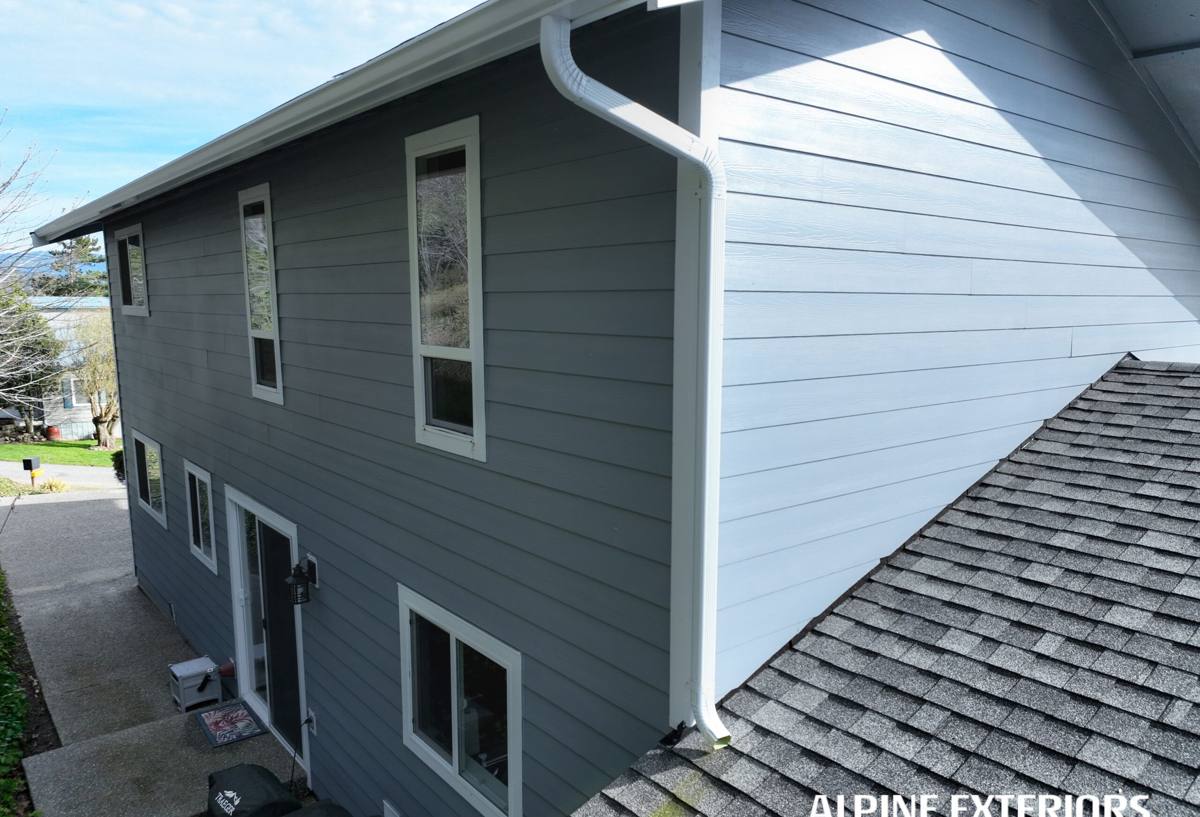
What "Correct" Actually Means on a New Roof Installation
A new roof installation is really several separate systems stacked together, and each one matters more here than it might in a milder climate.
Tear-Off and Deck Inspection
We don't install over old roofing. A full tear-off is the only way to actually see the deck — and in a climate this wet, deck condition is where roofs quietly fail. Any plywood or sheathing that's gone soft, delaminated, or stained from long-term moisture gets identified and replaced before anything new goes down. Skipping this step is the single most common shortcut that leads to a roof looking fine from the ground while rotting from underneath.
Underlayment
This is the roof's real waterproofing layer, and in a region with this much sustained rainfall, it deserves more attention than a basic felt layer. We use synthetic or self-adhered underlayment products rated for high-moisture climates, with extra protection at eaves, valleys, and any area prone to ice or wind-driven rain intrusion.
Ventilation
A roof that can't breathe traps moisture in the attic, which shortens the life of the decking, the insulation, and the roofing material itself from the inside. Balanced intake and exhaust ventilation is part of every installation, not an upsell.
Flashing
Chimneys, skylights, sidewalls, and valleys are where the overwhelming majority of roof leaks actually start — not in the open field of shingles. Properly formed and sealed flashing, tied correctly into the underlayment, is non-negotiable.
The Roofing Material Itself
Only after everything underneath is right does the visible roofing material go on — and material choice matters a lot for a Kendall property, which we cover below.
Choosing a Roofing Material for a Whatcom County Climate
There isn't one "best" roofing material for every Kendall home — it depends on the roof's pitch, the home's style, and how much long-term maintenance the homeowner wants to take on. Here's how the common options actually compare in this specific climate:
| Material | Typical Lifespan Here | Moss/Moisture Behavior | Maintenance |
|---|---|---|---|
| Architectural (dimensional) asphalt shingle | 25–30 years | Good with proper ventilation and zinc/copper strips; moss-resistant granule options available | Periodic moss removal, gutter clearing |
| Standard 3-tab asphalt shingle | 15–20 years | More prone to early moss colonization and edge lifting in constant rain | More frequent moss treatment |
| Standing seam metal | 40–50+ years | Excellent — moss struggles to root on smooth metal; sheds rain fast off a slick surface | Low; occasional fastener/sealant check |
| Cedar shake | 20–25 years with upkeep | Requires active moss and moisture management; absorbs water more than other options | High — regular treatment needed |
For most Kendall homes, we steer people toward a quality architectural shingle rated for high-moisture regions or, for homeowners planning to stay long-term and wanting the lowest maintenance over decades, standing seam metal. We're honest about the trade-offs of each rather than pushing whatever's easiest to install — cedar, for example, can look great, but we won't downplay how much upkeep it demands in a climate this wet.
Ventilation and Moisture Control: What Happens Where You Can't See It
Attic moisture is the quiet killer of roofs in Whatcom County. Warm, moist air from inside the house rises into the attic and, without proper airflow, condenses against the underside of the roof deck. Over a few seasons, that condensation can rot sheathing, degrade insulation, and create the exact damp conditions that let mold and moss thrive from the inside out — even while the shingles above still look brand new.
A correct installation balances intake ventilation (typically at the soffits) with exhaust ventilation (ridge vents or equivalent), sized to the attic's actual square footage rather than a generic guess. This is one of the parts of a roof job that's invisible once it's done, but it's often the single biggest factor in whether a roof reaches its full expected lifespan or fails ten years early.
Our Installation Process, Step by Step
- Inspection and estimate: We walk the roof, check the attic, and give you a straightforward assessment — including whether repair is a realistic option before we ever recommend full replacement.
- Material selection: We go over the honest trade-offs between shingle types, metal, and any other option that fits your home and budget.
- Permitting: We handle the paperwork required for the job so you don't have to chase it down.
- Protection setup: Landscaping, siding, and gutters get protected before tear-off starts.
- Tear-off: Old roofing is fully removed and hauled off — nothing gets buried under a new layer.
- Deck repair: Any compromised sheathing is replaced and documented.
- Underlayment and flashing: Waterproofing goes down first, with extra attention at every penetration and valley.
- Ventilation check: Intake and exhaust airflow is confirmed or corrected.
- Roofing installation: The chosen material goes on to manufacturer specification, not shortcuts.
- Final walkthrough: We inspect the finished roof with you and clean the site thoroughly.
Flashing, Valleys, and the Details That Actually Prevent Leaks
Most roof leaks in this region don't come from a shingle failing in the open field — they come from a transition point that wasn't detailed correctly. Valleys, where two roof planes meet, concentrate a huge volume of water during a heavy Whatcom County downpour, and they need either a properly woven shingle valley or metal valley flashing sized for real volume, not just a light rain. Chimneys and skylights need step flashing and counter-flashing that's actually tied into the underlayment, not just caulked over the top — caulk is a maintenance item, not a waterproofing system. Sidewalls where a roof meets a wall need the same layered, shingled approach. These details take longer to do right, and they're exactly the places a rushed job cuts corners.
Moss, Algae, and Realistic Long-Term Roof Care
No roofing material in Kendall is permanently immune to moss — the climate simply favors it too much, particularly on north-facing slopes and areas shaded by trees. What a correct installation does is stack the odds in your favor: proper ventilation to reduce the damp, cool conditions moss prefers underneath the surface; zinc or copper strips near the ridge on shingle roofs, which release trace metal ions that inhibit moss growth as rain washes over them; and a roofing material with moss-resistant granules where that option exists. Beyond that, the realistic long-term care is simple — keep gutters clear so water isn't sitting against the roof edge, and have moss physically removed (not just chemically treated) every couple of years rather than letting it establish and hold moisture against the surface.
What Homeowners Can Do Between Professional Visits
- Keep tree limbs trimmed back from the roofline to reduce shade and debris buildup.
- Clear gutters and downspouts at least twice a year, more often near evergreens.
- Watch for granule buildup in gutters, which can signal shingle wear.
- Address any interior ceiling stains promptly — they're almost always a roof issue, not a coincidence.
What Affects the Cost of a New Roof
Every roof is different, but the cost factors are consistent. We give a real, itemized estimate after inspecting your specific roof rather than a phone-quote guess.
| Factor | Why It Matters |
|---|---|
| Roof size and complexity | More valleys, dormers, and penetrations mean more labor and flashing detail |
| Roof pitch | Steeper roofs require more safety equipment and take longer to work |
| Layers to remove | Multiple existing layers add to tear-off time and disposal cost |
| Deck condition | Rotten or delaminated sheathing found during tear-off requires replacement |
| Material choice | Standard shingle, architectural shingle, and metal carry different material and labor costs |
| Access | Difficult site access can add time for material staging and debris removal |
Timeline and What to Expect During the Job
A straightforward residential re-roof in Kendall typically takes one to a few days once tear-off begins, weather permitting — and weather is the real variable here, since we won't tear off a roof into a forecast that leaves your home exposed overnight. Expect noise, some debris in the yard during the process (which we clean up thoroughly), and a magnetic sweep of the property afterward to catch stray nails. We schedule around the rain rather than fighting it, which sometimes means a short delay for a safer, better-sealed result.
Why It Matters to Hire a Crew That Already Works in Kendall
A roofing crew that regularly works Kendall and the surrounding Whatcom County area already knows which details matter here without having to learn it on your roof. That means knowing which valley and flashing details hold up against sustained coastal rain, which ventilation setups actually keep moss and moisture in check through a wet Pacific Northwest winter, and which materials are worth the extra cost versus which are marketing. It also means being reachable if a question comes up after the job is done — not a crew that installed your roof once and then moved on to a different region entirely. Local experience isn't a slogan here; it's the difference between a roof that's guessed at and one that's built for exactly what Kendall's climate does to a house year after year.
If you're planning a roof replacement in Kendall or anywhere else in the Lynden area, we're happy to take a look and give you an honest, no-pressure estimate — no obligation, just a straight answer about what your roof actually needs. The form below is the easiest way to get started.