 Lynden Siding
 Windows Built for Custer's Particular Climate
Custer sits in a stretch of Whatcom County close enough to the coast that salt-laden air is a daily fact of life, not an occasional nuisance. Combine that with the driving rain that comes off the water through fall and winter, plus a moss season that can stretch for months on shaded north- and west-facing walls, and you have a set of conditions that wears out windows faster than most manufacturers' warranty literature accounts for. A window that performs fine in a dry inland climate can fail here in half the time if it wasn't chosen, sealed, and installed with this specific environment in mind.
We work on homes throughout the Lynden and Custer area regularly, which means we're not guessing at how local weather affects window performance — we see it every time we pull an old sash or frame out of a wall. That experience shapes every recommendation we make, from material selection to flashing detail.
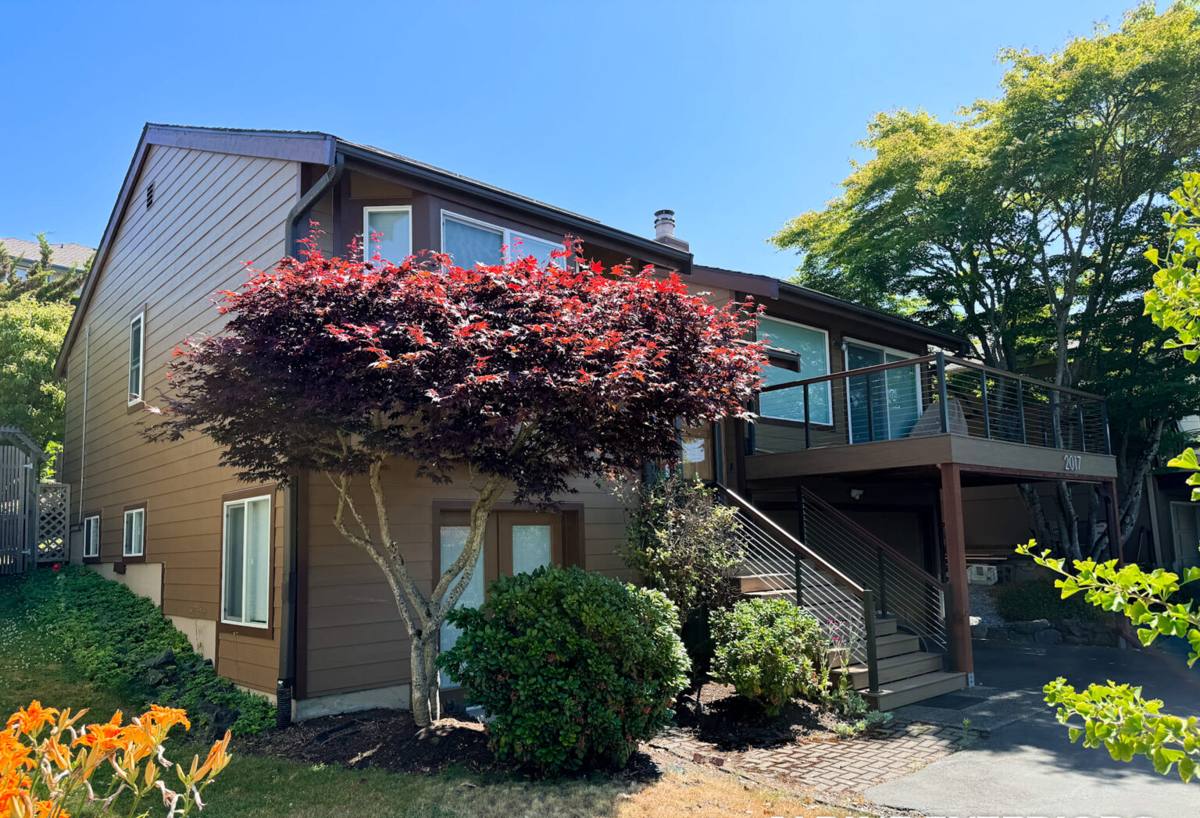
What Salt Air, Rain, and Moss Actually Do to a Window
Salt Air
Airborne salt accelerates corrosion on hardware — hinges, cranks, locks, and especially aluminum components. It also attacks lower-grade finishes on vinyl and metal cladding over time, leading to pitting, dulling, and premature failure of exterior coatings. Windows with unprotected or budget-grade hardware tend to show this wear first, often within a handful of years.
Driving Rain
Wind-driven rain doesn't fall straight down — it gets pushed sideways and upward into gaps that a vertical-rain climate would never stress. This is where flashing details, sill pans, and sealant choices matter far more than the glass package itself. Most window failures we find in this region aren't glass failures at all; they're water intrusion failures around the frame.
Moss and Sustained Moisture
Shaded exterior walls in this part of Whatcom County hold moisture longer than homeowners expect, and moss growth on nearby roofing or siding keeps humidity elevated right at the window perimeter. Wood-adjacent trim, in particular, is vulnerable to rot when moisture sits against it for weeks at a time during our wetter months.
Signs a Custer Home's Windows Need Attention
- Fogging or a visible haze between panes — a sign the seal has failed and insulating gas has escaped
- Soft or discolored trim and sill areas, especially on north- and west-facing walls
- Windows that are difficult to open, close, or lock — often a sign of frame swelling or hardware corrosion
- Visible moss or persistent green staining on the frame or nearby siding
- Drafts or cold spots near the window even when it's fully closed and locked
- Rising energy bills without any other clear cause
Any one of these on its own isn't necessarily urgent. Two or three together, especially on the same window, usually means the assembly is compromised and repair work is just delaying a full replacement.
Choosing the Right Window for This Climate
There's no single "best" window material — the right choice depends on the wall's exposure, the home's style, and how much upkeep the homeowner wants to take on. Here's how the common options stack up for a coastal Whatcom County home:
| Material | Salt Air Resistance | Moisture Handling | Maintenance |
|---|---|---|---|
| Vinyl (quality-grade) | Strong — won't corrode | Good with proper flashing | Low; occasional cleaning |
| Fiberglass | Excellent — very stable in temperature and moisture swings | Excellent | Low |
| Aluminum | Weak unless specially coated — prone to pitting near the coast | Fair; can transmit cold and condensation | Moderate |
| Wood / wood-clad | Poor unless cladding is intact and well-sealed | Requires diligent upkeep in this rainfall | High |
For most Custer-area homes, we steer clients toward vinyl or fiberglass because they hold up to salt exposure and repeated wetting without the ongoing maintenance burden that wood and unclad aluminum demand. Wood windows can still be the right call on a home where the look matters more than anything else, but we're upfront that they need real, regular attention in this climate — not a one-time sealing and forget it.
Glass Packages Worth Considering
Double-pane, argon-filled units with a low-E coating are the practical baseline here — they cut heat loss and reduce condensation risk on our colder, wetter days. Triple-pane adds further insulation value but comes at a real cost premium; for most Custer homes it's not necessary unless the wall in question is especially exposed to wind or noise.
Installation Details That Matter More Here Than Elsewhere
The window unit itself is often the easy part. What separates a job that lasts fifteen-plus years from one that fails in five is the installation detail around it:
- Sill pan flashing — directs any water that gets past the exterior seal back out, rather than letting it pool at the sill and rot the framing
- Proper head flashing — sheds driving rain away from the top of the opening instead of letting it channel behind the trim
- Correct sealant selection — not every caulk or sealant holds up to repeated wet-dry cycling and salt exposure; using the wrong one is a common cause of early failure
- Backer rod and joint sizing — gaps that are too tight or too loose compromise the sealant's ability to flex without cracking
- Weather-resistant barrier integration — the window flashing has to tie into the wall's existing moisture barrier correctly, not just butt up against it
We treat these details as non-negotiable, not upsells. A window installed without proper flashing will eventually leak in this climate — it's a matter of when, not if.
Our Process for a Custer Window Project
1. On-Site Assessment
We look at each window opening individually — sun exposure, wind exposure, existing water damage, and framing condition all factor into the recommendation. Two windows on the same house can need different solutions.
2. Straightforward Recommendation
We'll tell you honestly which windows need full replacement, which could be repaired, and which are fine for now. We're not interested in replacing more than a home actually needs.
3. Careful Removal
Old units are removed with attention to the surrounding wall — this is often when hidden rot or past water intrusion becomes visible, and we'll flag anything we find before proceeding.
4. Correct Flashing and Installation
Every opening gets proper sill pan flashing, head flashing, and sealant appropriate to this climate, tied into the existing wall assembly.
5. Final Check and Cleanup
We test operation, check seals, and make sure the site is left clean before we consider the job done.
What Affects the Cost of a Window Project
| Factor | Why It Matters |
|---|---|
| Window material and glass package | Fiberglass and upgraded low-E/argon glazing cost more than basic vinyl |
| Number of openings | Per-window cost typically drops somewhat as the project scope grows |
| Condition of existing framing | Rot or water damage found during removal adds repair work before a new window can go in |
| Wall exposure and flashing complexity | Higher wind- and rain-exposed walls need more careful, more time-intensive flashing detail |
| Trim and interior finish work | Matching existing interior trim or upgrading exterior trim adds to the scope |
We give straightforward, itemized estimates so you can see exactly what's driving the cost — no vague lump-sum numbers that hide what you're actually paying for.
Keeping Your Windows in Good Shape Between Projects
- Rinse frames and tracks periodically to clear salt residue, especially after storms
- Keep nearby gutters and downspouts clear so water isn't sheeting down past window openings
- Check caulk lines once a year and have any cracked or separated sealant redone before it lets water in
- Trim back vegetation that keeps a window's exterior shaded and damp
- Address moss on adjacent roofing or siding promptly — it holds moisture against nearby surfaces
- Operate each window a few times a year, even ones you rarely open, to keep hardware from seizing
Why a Crew That Already Works in Custer Matters
A contractor who mainly works drier, inland climates will often spec and install windows the same way they would anywhere else — and that approach tends to underperform here. Working regularly in Lynden and the surrounding Whatcom County communities means we've already seen which materials, sealants, and flashing methods hold up to this specific mix of salt air, driving rain, and moss, and which ones don't. That's not a marketing point — it's the difference between a window that's still performing well in fifteen years and one that needs attention again in five.
If you're noticing drafts, moisture, or hardware trouble on your windows — or you're planning ahead before those problems start — we're happy to take a look and walk you through honest options. Reach out for a free, no-pressure estimate using the form below.