 Lynden Siding
 Siding Installation in Bellingham: What the Climate Demands
Bellingham sits close enough to the water and low enough in elevation that homes here take on a specific combination of weather stress: salt-laden air off Bellingham Bay and the Strait of Georgia, long stretches of driving rain pushed in off the water, and a moss and algae season that can run most of the year on shaded north- and west-facing walls. Any one of these is manageable on its own. Together, over the 20-30 year lifespan homeowners expect from a siding job, they punish products and installation shortcuts that would hold up fine somewhere drier or further inland.
We install James Hardie fiber cement siding as our only product, and we've built our Bellingham process specifically around these three stressors. This page covers what a correct installation looks like for a home in this area, what tends to go wrong when it isn't done right, and how our process is built to hold up here.
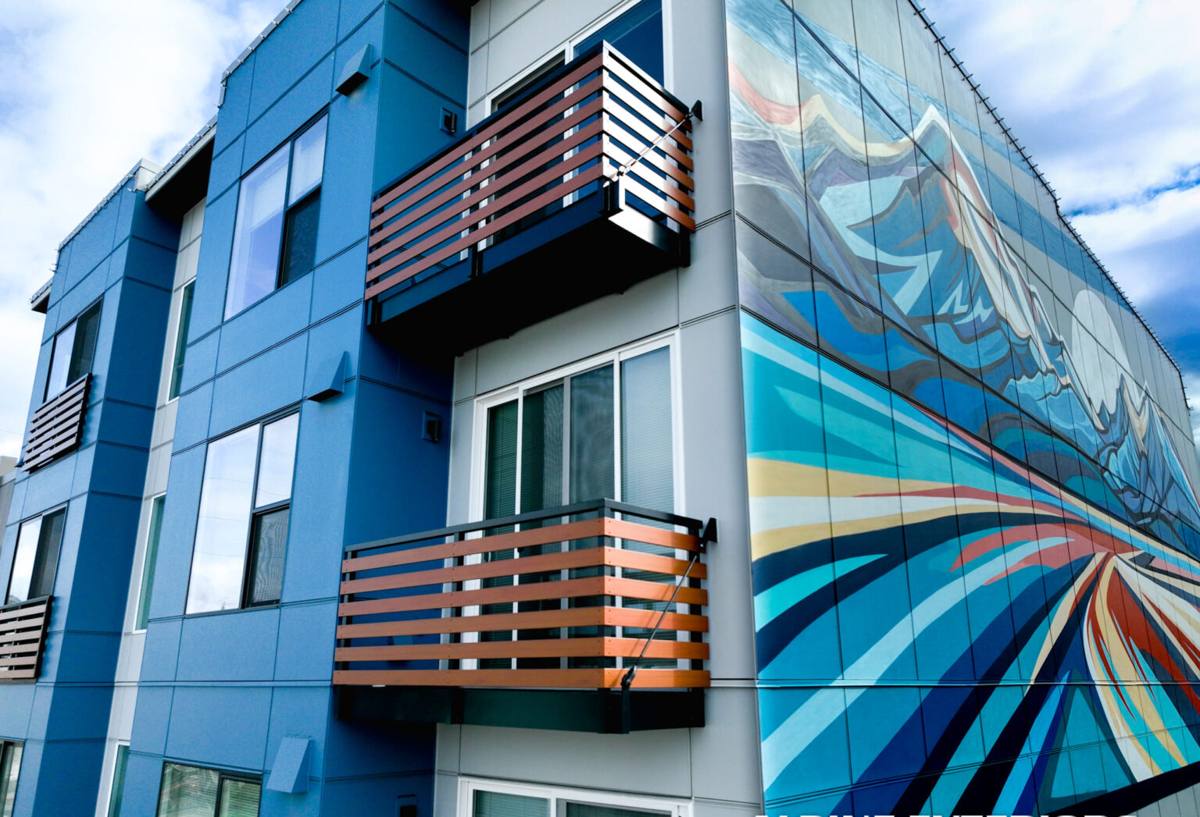
Why Bellingham Siding Wears Differently Than Inland Homes
Salt Air and Coastal Moisture
Homes within a few miles of Bellingham Bay are exposed to airborne salt that accelerates corrosion on fasteners, flashing, and trim connectors. It also keeps exterior wall surfaces slightly damper for longer stretches than homes further from the water, which matters for anything that relies on paint film or a coating to keep moisture out.
Driving Rain
Whatcom County doesn't just get a lot of rain — a meaningful share of it arrives wind-driven, which pushes water sideways into laps, seams, and penetrations instead of simply running down the face of the wall. Siding systems and flashing details that pass a light-rain test can still leak under driving rain if the laps, seams, or fastening pattern aren't right.
Moss and Algae Season
Shaded walls, tree cover, and persistent damp air give moss and algae a long growing window on siding surfaces in this area. Porous or absorbent siding materials give moss more to hold onto and more moisture to feed on; a factory-cured, low-absorption surface resists it far better and cleans up more easily when it does appear.
What a Correct Siding Installation Involves
Siding is a system, not a single product nailed to a wall. A correct installation in Bellingham's climate requires attention at every layer, not just the visible face.
- Weather-resistive barrier: A continuous, properly lapped water-resistive barrier behind the siding, installed so that water is directed out and down rather than trapped against the sheathing.
- Flashing at every penetration: Windows, doors, hose bibs, light fixtures, and vents all need site-specific flashing that integrates with the weather barrier — this is where driving rain finds its way in if it's skipped or rushed.
- Correct fastener spec: Corrosion-resistant fasteners, driven to the manufacturer's specified depth and spacing — overdriven or underdriven fasteners are one of the most common causes of premature siding failure, and salt air makes fastener choice matter even more.
- Proper clearances: Siding held clear of grade, roof lines, and decks per code and manufacturer spec, so water and debris don't sit against the bottom edge.
- Correct joint and lap detailing: Butt joints, corners, and laps installed and caulked (or left to shed, per Hardie spec) so wind-driven rain can't work its way behind the plane of the siding.
Any one of these done wrong can undo the benefit of a good product. This is why we treat installation quality as equally important to the material choice itself.
Why We Only Install James Hardie Fiber Cement
We made a deliberate decision to install only James Hardie fiber cement siding rather than offering vinyl, LP SmartSide, or other fiber cement brands. In a climate like Bellingham's, the case for it comes down to a few specific, verifiable characteristics:
- Non-combustible core: Fiber cement doesn't rely on paint or coating alone to resist moisture the way wood-based products do, and it carries a fire-resistance profile that other common siding materials don't match.
- Factory-applied ColorPlus finish: A baked-on finish applied under controlled conditions holds up to UV and moisture exposure more consistently than field-applied paint, and it resists the kind of surface breakdown that gives moss and algae something to grip.
- HZ5 engineering for this region: James Hardie manufactures climate-specific product lines, and the HZ5 formulation is engineered for wetter, harsher climates like the Pacific Northwest — it's not a generic product sold the same way in Arizona and Bellingham.
- Dimensional stability: Fiber cement doesn't swell, warp, or rot the way wood-based composite siding can when it stays damp for long stretches, which is a realistic scenario on shaded Bellingham walls for much of the year.
- Transferable warranty: A strong, transferable warranty matters to homeowners who may sell within the life of the siding — it protects resale value, not just the current owner.
We're not going to tell you other products don't work anywhere — they do, in the right conditions and with the right maintenance commitment. Our position is narrower: for the moisture load, salt exposure, and moss pressure that Bellingham homes deal with, Hardie's fiber cement system is the one we're willing to put our name behind.
Comparing Common Siding Options for Bellingham's Climate
| Factor | James Hardie Fiber Cement | Vinyl | Wood-Based Composite (e.g. LP SmartSide) |
|---|---|---|---|
| Moisture resistance | High — non-combustible, engineered core | Moderate — can warp or gap over time | Moderate — relies on treated wood core and coating integrity |
| Coastal/salt air durability | Strong, factory-finish resists surface breakdown | Can become brittle with UV and temperature swings | Coating wear exposes wood core to moisture |
| Moss/algae resistance | Low-absorption factory finish resists buildup | Smooth surface but seams and J-channels trap debris | More porous surface, needs regular recoating |
| Fire resistance | Non-combustible core | Combustible, can melt or deform | Combustible wood-based core |
| Maintenance | Occasional wash, no repainting for the warranty period | Low, but limited repair options when damaged | Requires periodic recoating/caulking upkeep |
| Typical lifespan when installed to spec | Multiple decades | 15-25 years | Highly dependent on maintenance commitment |
This is a general comparison, not a claim about any specific manufacturer's product failing — the trade-offs above are why we standardized on one system rather than offering all of them.
Our Installation Process for Bellingham Homes
1. On-Site Assessment
We walk the home, note existing moisture damage, check the condition of the sheathing and any exposed framing, and identify penetrations and trouble spots — this is where driving-rain and salt-air issues usually show up first if a previous installation was cutting corners.
2. Tear-Off and Substrate Check
We remove the old siding and inspect the sheathing underneath. Any soft, rotted, or water-damaged sheathing gets addressed before anything new goes up — covering a compromised substrate is one of the fastest ways to get a callback in a few years.
3. Weather Barrier and Flashing
We install a continuous weather-resistive barrier and flash every window, door, and penetration to manufacturer spec, lapped correctly for wind-driven rain rather than just vertical runoff.
4. Hardie Installation to Spec
Panels or lap siding go up with the fastener pattern, spacing, and clearances James Hardie specifies for this climate zone — not a generalized approach used everywhere regardless of region.
5. Final Walkthrough
We walk the finished job with the homeowner, checking joints, corners, and trim details before considering the project complete.
Signs Bellingham Homeowners Should Watch For
- Persistent moss or algae streaking on north- or west-facing walls that returns quickly after cleaning
- Soft or spongy siding near the bottom courses or around window and door trim
- Visible gaps, warping, or bowing in existing siding panels
- Peeling or bubbling paint, especially on wood-based or previously painted siding
- Rust staining around fasteners or trim connectors, common near the water where salt air accelerates corrosion
- Interior signs of moisture — musty smells or staining on walls that back up to exterior siding
Any of these can indicate the siding, the flashing behind it, or both are no longer doing their job — worth a look before it turns into a sheathing or framing repair.
Why Local Installation Experience Matters
Installing James Hardie siding correctly isn't unique to Bellingham — but installing it correctly for Bellingham's specific mix of salt exposure, wind-driven rain, and moss pressure benefits from a crew that already works this area regularly. That means knowing which wall orientations in this part of Whatcom County take the worst weather, which flashing details actually hold up here versus in a drier climate, and how to sequence a project around the region's rain patterns so the substrate isn't left exposed longer than necessary. It also means we're a known, local point of contact if a warranty question or a follow-up detail comes up years down the road — not a crew that worked the area once and moved on.
Get a Free Estimate for Your Bellingham Home
If your siding is showing signs of moisture damage, moss buildup, or age, or you're planning ahead for a replacement, we're happy to take a look and walk you through what a correct James Hardie installation would involve for your specific home. Reach out for a free, no-pressure estimate — there's a form right below to get started.